미리보기
미리보기
 공유하기
공유하기 공유하기
공유하기
 상세 정보
상세 정보

 다운로드
다운로드
 유사 작품
유사 작품 X-레이
X-레이 슬라이드 쇼
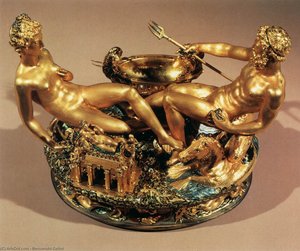
Study for a seal
 Acrylic On Canvas
- WallArt
- Renaissance Mannerism
 1560
1560 315.0 x 125.0 cm
 루브르 박물관
 더 보기
더 보기
지클레 / 아트 프린트
빠른 제작과 다양한 마감 옵션을 제공하는 박물관 품질의 지클레이 또는 캔버스 프린트. ( 수제 페인팅으로 전환하기 이미지로 전환)




P118B $10

P118H $10

P118W $10

P438Z $10

P508JH $12

P508YH $12

P805H $10

P805Z $10

P919BZ $10

P919G $10

P919XJ $10

P959ZH $10

P968JZ $12

W106C $8

W218G $10

W218JH $8

W218Y $10

W307PJ $10

W316G $10

W316PJ $8

W316Y $10

W398PJ $8

W4111J $10

W500HY $15

W500JH $15

W692G $12

W849H $8

W940BG $15

W953PJ $8




작품의 원본 비율을 유지하는 미리 설정된 크기 중에서 선택하세요.

특정 프레임이나 공간에 맞춰 직접 치수를 입력하실 수 있습니다. 선택하신 사이즈가 원본 이미지의 비율과 일치하지 않을 경우, 작품을 크롭(자르기)하거나 이미지를 대칭 또는 단색 채우기로 확장하여 제작합니다. 제작 시작 전, 최종 확인을 위해 디지털 목업이 전송됩니다.
화면상의 미리보기는 실제 크롭이나 확장 상태를 반영하지 않으므로, 최종 구도는 오직 목업을 통해서만 정확하게 확인하실 수 있습니다.
맞춤 사이즈 제작도 가능하지만, 원본 비율을 유지하기 위해서는 사전 정의된 목록에서 치수를 선택하시는 것을 권장합니다.


 유리 옵션은 110cm 미만 크기에서만 선택 가능합니다.

Study for a seal
지클레 / 아트 프린트
복제본 크기
-


최종 결제 금액
$ 64
작품 상세 설명
Benvenuto Cellini’s “Study for a Seal”: A Glimpse into Renaissance Genius
The world of 16th-century Florence pulsed with artistic fervor, a crucible where innovation and tradition intertwined to forge masterpieces that continue to captivate us centuries later. Among the giants of this era stands Benvenuto Cellini, not merely a goldsmith or sculptor, but a polymath—a writer, musician, soldier, and above all, an intensely self-aware artist who meticulously documented his life and work in his celebrated autobiography. Within this rich tapestry of creativity lies “Study for a Seal,” a remarkably intimate pen drawing executed around 1560 and currently residing within the hallowed halls of the Musée du Louvre. This seemingly modest piece offers a profound window into Cellini’s artistic process, revealing a meticulous mind grappling with form, symbolism, and the very essence of Renaissance aesthetics.
The drawing itself is deceptively simple: an angelic or mythological figure, rendered in delicate pen lines, stands poised upon what appears to be a stylized serpent. The creature possesses a distinctly human-like quality—a noble face, expressive eyes—yet simultaneously boasts features that transcend the purely mortal; notably, its feathered wings and the suggestion of divine attributes. This deliberate ambiguity is characteristic of Cellini’s work – he frequently blurred the boundaries between the earthly and the celestial, reflecting his own complex personality and a fascination with both the tangible beauty of craftsmanship and the intangible realm of spiritual significance. The background remains strikingly minimalist, composed of geometric shapes and lines that serve not as mere decoration but rather to frame and elevate the central figure, drawing our attention entirely to this enigmatic being.
A Master’s Process: Technique and Materials
Cellini's mastery is immediately evident in the execution of “Study for a Seal.” The work is executed entirely with pen and ink on paper, a medium that allowed him unparalleled control over line weight and detail. Observe how he employs hatching to create subtle gradations of tone, suggesting volume and texture without resorting to shading. The precision of his lines speaks volumes about his dedication to craft; each stroke is deliberate, imbued with the artist’s considered hand. The paper itself bears the marks of time – slight discoloration and warping—testaments to its age but also adding a layer of authenticity and historical resonance. It's not simply a drawing; it’s a tangible record of a creative journey, offering a rare glimpse into the mind of a master at work.
Symbolism and Context: The Seal of Florence
The “Study for a Seal” is inextricably linked to the burgeoning artistic and political landscape of Florence in the mid-16th century. In 1562, the Accademia del Disegno—the Florentine Academy of Drawing—was formally established, marking a pivotal moment in the development of Renaissance art theory and practice. The academy sought to establish standards for artistic training and patronage, and naturally required an official seal to authenticate its documents and represent its authority. Cellini, already a celebrated artist with connections to powerful figures like Francis I of France, was commissioned to design this emblem. The drawing itself is believed to be a preliminary study for the final seal, offering insights into Cellini’s initial conceptualization of the design.
The symbolism embedded within the image is rich and layered. The central figure, often interpreted as an angelic or mythological being, likely represents a deity or allegorical figure associated with wisdom, justice, or divine grace—themes frequently explored in Renaissance art. The serpent beneath suggests both temptation and transformation, reflecting the complex moral landscape of the era. The geometric background may allude to architectural principles, reinforcing the idea that art was not merely decorative but also served as a means of communicating profound philosophical and spiritual truths. It’s important to note that Cellini himself meticulously documented his artistic process in his autobiography, revealing a deep engagement with the intellectual currents of his time.
A Legacy of Craftsmanship: Reproduction Possibilities
“Study for a Seal” stands as a testament to Benvenuto Cellini's extraordinary talent and enduring legacy. Its intricate detail, evocative symbolism, and historical significance make it a truly remarkable work of art. For those seeking to experience the beauty and artistry of this masterpiece firsthand, high-quality reproductions are available through AllPaintingsStore.com. These meticulously crafted oil paintings capture the essence of Cellini’s original drawing, allowing you to bring a piece of Renaissance genius into your home or office. Consider this reproduction not merely as an image but as a portal—a connection to a world of artistic innovation and profound human expression.
유사한 작품들


작가 약력
르네상스 시대의 다재다능한 천재, 베누토 첼리니
1500년 피렌체에서 태어난 베누토 첼리니는 단순한 예술가를 넘어선 인물이었다. 그는 뛰어난 금세공 기술자이자 조각가였을 뿐만 아니라, 숙련된 검객, 음악가, 그리고 문학가이기도 했다. 그의 삶은 격동적이었고, 그의 작품들은 화려하고 역동적인 바로크 양식을 예견했다. 첼리니는 자신의 예술적 업적뿐만 아니라, 솔직하고 과감한 자서전을 통해 르네상스 시대의 문화와 사회를 생생하게 보여주었다.
초기 삶과 예술적 성장
음악가 가문에서 태어난 첼리니는 어린 시절부터 음악에 재능을 보였다. 그러나 15세 무렵, 그는 금세공 기술자의 길을 선택하기로 결심한다. 아버지의 반대에도 불구하고 안토니오 디 산드로(마르코네)에게 도제 생활을 시작하며 본격적인 예술가로서의 삶을 시작했다. 그의 초기 시절은 순탄치 않았다. 16세에 친구들과 싸움에 휘말려 피렌체에서 추방당하고, 시에나에서 금세공 기술자 프라카스토로 밑에서 일하게 된다. 이러한 격동적인 경험들은 그의 예술적 감각을 더욱 예민하게 만들고, 삶에 대한 강렬한 열정을 불어넣었다.
주요 작품과 독특한 스타일
첼리니의 대표작 중 하나인 솔트 셀러(Cellini Salt Cellar)는 프랑스 왕 프랑수아 1세의 의뢰로 제작된 정교한 은제 걸작이다. 이 작품은 섬세한 디테일과 역동적인 인물 표현으로 유명하며, 현재 빈 미술사 박물관에 소장되어 있다. 또 다른 대표작인 페르세우스와 메두사의 머리(Perseus with the Head of Medusa)는 청동 조각 작품으로, 첼리니의 뛰어난 형태 감각과 극적인 구성을 보여준다. 이 작품은 금속을 통해 움직임과 감정을 포착하는 그의 놀라운 재능을 입증한다. 또한 레다와 백조(Gold Medallion of Leda and the Swan) 메달리온은 고전 신화와 정교한 수공예 기술의 완벽한 조화를 보여준다.
예술 외적인 삶: 군인, 음악가 그리고 자서전 작가
첼리니의 삶은 예술 작업실을 넘어 훨씬 더 넓은 영역에 걸쳐 있었다. 그는 로마를 방어하는 전투에서 용감하게 싸운 군인이었고, 교황청 궁정에서 코르넷과 플루트를 연주하는 뛰어난 음악가이기도 했다. 그러나 그를 진정으로 특별하게 만드는 것은 그의 자서전이다. 베누토 첼리니의 삶(The Life of Benvenuto Cellini)은 르네상스 시대의 예술, 문화, 사회에 대한 귀중한 통찰력을 제공하는 솔직하고 때로는 거침없는 회고록이다. 이 작품은 후원자, 경쟁자, 개인적인 모험에 대한 흥미로운 이야기로 가득 차 있으며, 그 시대에 대한 독특한 관점을 제시한다.
유산과 역사적 의의
1571년 피렌체에서 세상을 떠난 베누토 첼리니는 르네상스 시대의 가장 중요한 예술가 중 한 명으로 기억된다. 그의 뛰어난 기술, 혁신적인 예술 감각, 그리고 매혹적인 자서전은 오늘날에도 많은 예술가와 예술 애호가들에게 영감을 주고 있다. 그는 다재다능한 재능을 발휘하여 여러 분야에서 두각을 나타내고, 자신의 개성을 당당하게 표현하는 르네상스 시대의 이상적인 인물을 대표한다. 그의 작품들은 아름다움, 수공예 기술, 그리고 극적인 힘으로 찬사를 받고 있으며, 서양 미술사에서 중요한 위치를 차지하고 있다.

베누토 체리니
1500 - 1571 , 이탈리아
주요 정보
- Artistic Movement Or Style: 마니에리스모
- Artists Who Influenced This Artist: ['미켈란젤로']
- Date Of Birth: 1500년 11월 1일
- Date Of Death: 1571년 2월 13일
- Full Name: 베누토 첼리니
- Nationality: 이탈리아인
- Notable Artworks (List Of Titles):
- 페르세우스와 메두사
- 첼리니 소금통
- Place Of Birth (City And Country): 이탈리아 피렌체
관련 기사 더 보기
뉴욕 메트로폴리탄 미술관 최고 걸작 25선: 예술의 정수를 만나다 | AllPaintingsStore
뉴욕 메트로폴리탄 미술관 최고 걸작 25선을 만나보세요. 반 고흐, 모네 등 거장들의 숨겨진 이야기와 예술의 정수를 감상하세요. 홈 데코를 위한 명화 복제 작품은 AllPaintingsStore에서! 지금 바로 컬렉션을 탐험하세요.
르네상스 걸작 TOP 10: 초기 예술의 지혜와 아름다움을 만나보세요
초기 르네상스 미술의 정수를 담은 명작 10! 보티첼리, 다비드 등 거장의 숨결을 느껴보세요. 예술 작품 탄생 비화와 아름다운 색채를 탐구하고, AllPaintingsStore.com에서 고품질 아트 프린트 & 인테리어 영감을 얻으세요. 지금 바로 온라인 컬렉션을 만나보세요!

보티첼리 명작 25선: 르네상스 거장의 아름다움과 이야기 | AllPaintingsStore
보티첼리 명작 25선을 만나보세요. 르네상스 시대의 아름다움과 신화가 담긴 작품들을 감상하고, 베누스의 탄생부터 봄까지 거장의 예술 세계를 탐험하세요. AllPaintingsStore에서 고품질 미술 복제 및 인테리어 액자를 만나보실 수 있습니다. 지금 바로 컬렉션을 확인하세요!
Renaissance Humanism's Greatest Art: 10 Masterpieces for Your Home
Explore 10 Renaissance Humanism masterpieces by Leonardo da Vinci, Michelangelo & Raphael. Discover the stories behind these iconic paintings & sculptures and bring timeless art into your home with museum-quality reproductions from AllPaintingsStore.com. Explore the full collection online!

Proto-Renaissance Masters: 10 Artworks That Changed History | AllPaintingsStore
Journey back to the dawn of Renaissance art! Explore 10 iconic Proto-Renaissance masterpieces by Giotto, Cimabue & Duccio. Discover their stories, techniques & lasting impact. Find museum-quality reproductions for your home at AllPaintingsStore.com