


 미리보기
미리보기
 공유하기
공유하기 공유하기
공유하기
 상세 정보
상세 정보

 다운로드
다운로드
 유사 작품
유사 작품 X-레이
X-레이 슬라이드 쇼
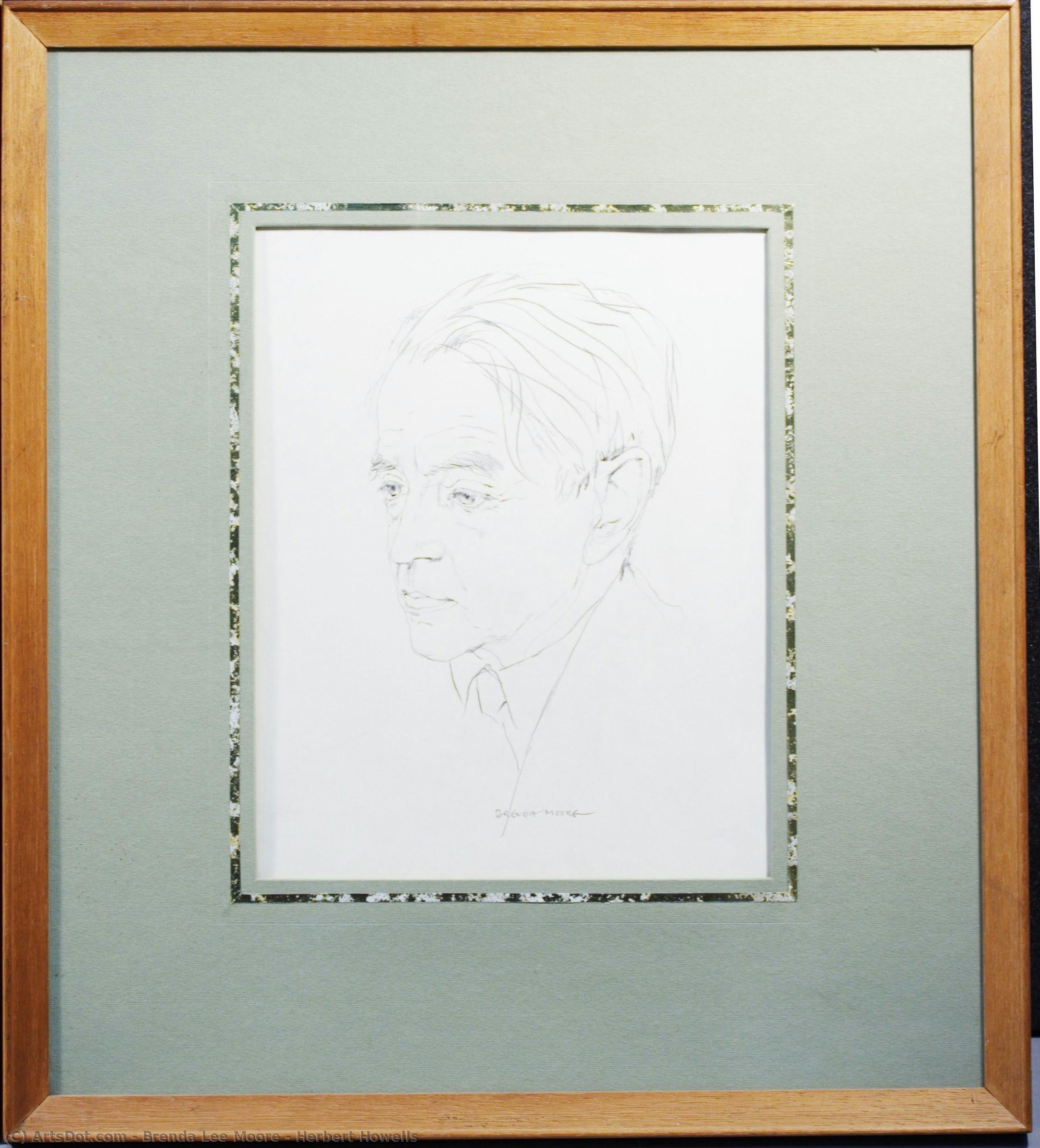
Herbert Howells


 더 보기
더 보기
지클레 / 아트 프린트
빠른 제작과 다양한 마감 옵션을 제공하는 박물관 품질의 지클레이 또는 캔버스 프린트. ( 손으로 그린 그림 구매 이미지 구매)




































작품의 원본 비율을 유지하는 미리 설정된 크기 중에서 선택하세요.

특정 프레임이나 공간에 맞춰 직접 치수를 입력하실 수 있습니다. 선택하신 사이즈가 원본 이미지의 비율과 일치하지 않을 경우, 작품을 크롭(자르기)하거나 이미지를 대칭 또는 단색 채우기로 확장하여 제작합니다. 제작 시작 전, 최종 확인을 위해 디지털 목업이 전송됩니다.
화면상의 미리보기는 실제 크롭이나 확장 상태를 반영하지 않으므로, 최종 구도는 오직 목업을 통해서만 정확하게 확인하실 수 있습니다.
맞춤 사이즈 제작도 가능하지만, 원본 비율을 유지하기 위해서는 사전 정의된 목록에서 치수를 선택하시는 것을 권장합니다.


 유리 옵션은 110cm 미만 크기에서만 선택 가능합니다.

Herbert Howells
지클레 / 아트 프린트
복제본 크기
-


최종 결제 금액
$ 64
유사한 작품들


작가 약력
Brenda Lee Moore: A Tapestry of Witness
Brenda Lee Moore’s artistic journey is a deeply personal one, interwoven with threads of social observation, historical reflection, and a profound empathy for the human condition. Born in Morgantown, West Virginia, in 195? (the exact year remains elusive, adding to her enigmatic appeal), she emerged from a background steeped in sociology – researching race relations, military sociology, gender dynamics, and social stratification – informing an approach to art that transcends mere representation and delves into the complexities of lived experience. Moore’s work isn't simply about depicting subjects; it’s about bearing witness, translating internal landscapes onto canvas with a quiet intensity that demands contemplation.
Early influences are difficult to pinpoint precisely, yet hints emerge from her academic pursuits and personal life. Her sociological training undoubtedly shaped her perspective, encouraging her to analyze the social forces that mold individuals and communities. The echoes of her work in areas like military sociology suggest an awareness of power structures and their impact on human behavior – themes frequently explored through subtle symbolism and nuanced character studies. Her fascination with horses, a childhood yearning never fully realized, continues to surface throughout her oeuvre, serving as a potent metaphor for desire, vulnerability, and the longing for connection.
The Herbert Howells Series: Portraits of Quiet Dignity
Perhaps Moore’s most recognized body of work is her series dedicated to Herbert Howells, a British composer. Beginning in 1972 with a graphite portrait, these works – rendered primarily in grayscale and meticulously detailed – capture the essence of an aging man imbued with quiet dignity and intellectual depth. These aren't flamboyant celebrations of celebrity; rather, they are intimate studies of character, revealing the subtle lines etched by time and experience. The portraits eschew dramatic lighting or exaggerated poses, instead relying on careful observation and a masterful control of tonal values to convey Howells’s inner life. The choice of graphite speaks volumes – its delicate texture mirroring the fragility of memory and the enduring power of artistic legacy.
Moore's approach to portraiture is distinctly psychological. She doesn’t simply reproduce a likeness; she seeks to capture the *feeling* of the subject, their spirit, their essence. The portraits are imbued with a sense of melancholy, yet also resilience – reflecting the complexities of a life lived fully and thoughtfully. The series as a whole serves as a poignant meditation on aging, memory, and the enduring value of artistic achievement.
Beyond Portraits: Exploring Social Commentary
While the Herbert Howells portraits are undoubtedly her most celebrated work, Moore’s artistic practice extends far beyond this singular focus. Her later pieces increasingly incorporate social commentary, often subtly embedded within seemingly straightforward depictions of everyday life. The influence of her sociological background is palpable here, as she uses art to explore themes of race and gender, military experience, and the challenges faced by marginalized communities.
Her work frequently features figures grappling with internal conflicts – a woman staring out a window, a soldier lost in thought, a family struggling to make ends meet. These are not grand narratives or sweeping pronouncements; rather, they are quiet observations of human vulnerability and resilience. Moore’s ability to distill complex social issues into evocative visual forms is a testament to her artistic skill and her deep commitment to using art as a tool for understanding and empathy.
A Legacy of Witness: Thematic Threads and Continuing Relevance
Brenda Lee Moore's work, though often understated in its execution, possesses a remarkable depth and resonance. Her recurring motifs – the horse, the portrait, the solitary figure – serve as anchors, connecting her diverse body of work and revealing underlying thematic concerns. Her art is not simply a reflection of the world around her; it’s an active engagement with it, a willingness to confront difficult truths and to bear witness to the experiences of others.
In an era increasingly characterized by polarization and division, Moore's work offers a valuable reminder of the importance of empathy, understanding, and critical reflection. Her portraits are not just images; they are invitations – invitations to look beyond surface appearances, to consider the stories behind the faces, and to recognize our shared humanity. Her legacy lies not only in her artistic achievements but also in her unwavering commitment to using art as a means of social engagement and personal transformation.

brenda lee moore
United States of America
주요 정보
- Artistic Movement Or Style: Contemporary Art
- Artists Or Movements Influenced By This Artist: ['None specified']
- Artists Who Influenced This Artist: ['None specified']
- Date Of Birth: 195?
- Full Name: Brenda Lee Moore
- Nationality: American
- Notable Artworks:
- Herbert Howells (1972)
- Herbert Howells (1972)
- Place Of Birth: Morgantown, USA



