


 미리보기
미리보기
 공유하기
공유하기 공유하기
공유하기
 상세 정보
상세 정보 Guide
Guide

 다운로드
다운로드
 유사 작품
유사 작품 X-레이
X-레이 슬라이드 쇼
 통계 정보
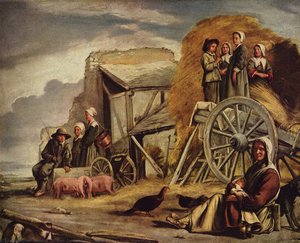
통계 정보Peasants at their Cottage Door
 Oil On Canvas
- WallArt
- Baroque
 1640
1640- Early Modern
 55.0 x 68.0 cm
 미술관
미술관
 더 보기
더 보기
지클레 / 아트 프린트
빠른 제작과 다양한 마감 옵션을 제공하는 박물관 품질의 지클레이 또는 캔버스 프린트. ( 손으로 그린 그림 구매 디지털 이미지로 전환)




































작품의 원본 비율을 유지하는 미리 설정된 크기 중에서 선택하세요.

특정 프레임이나 공간에 맞춰 직접 치수를 입력하실 수 있습니다. 선택하신 사이즈가 원본 이미지의 비율과 일치하지 않을 경우, 작품을 크롭(자르기)하거나 이미지를 대칭 또는 단색 채우기로 확장하여 제작합니다. 제작 시작 전, 최종 확인을 위해 디지털 목업이 전송됩니다.
화면상의 미리보기는 실제 크롭이나 확장 상태를 반영하지 않으므로, 최종 구도는 오직 목업을 통해서만 정확하게 확인하실 수 있습니다.
맞춤 사이즈 제작도 가능하지만, 원본 비율을 유지하기 위해서는 사전 정의된 목록에서 치수를 선택하시는 것을 권장합니다.


 유리 옵션은 110cm 미만 크기에서만 선택 가능합니다.

Peasants at their Cottage Door
지클레 / 아트 프린트
복제본 크기
-


최종 결제 금액
$ 64
A Quiet Moment in Rural History
In the hushed atmosphere of Peasants at their Cottage Door, we are transported back to the mid-17th century, stepping into a world defined by the rhythmic simplicity and profound gravity of rural French life. Created around 1640, this evocative oil painting captures a fleeting moment of stillness among a group of four figures—an elderly man, a woman, and two children—gathered before the weathered stone threshold of their humble home. There is an undeniable weight to the scene, a sense of quiet contemplation that transcends the mere depiction of poverty. Instead, the work offers a window into the dignity of the human spirit amidst the hardships of the era. The composition, with its slightly elevated perspective, invites the viewer to observe this intimate family circle as if peering through a nearby doorway, creating an emotional connection that feels both voyeuristic and deeply empathetic.
The mastery of (Brother) Antoine Le Nain—or perhaps one of his enigmatic siblings—lies in the ability to find monumental importance in the mundane. The style is a hallmark of the 17th-century genre painting, eschewing the grandiosity of Baroque mythological scenes in favor of a stark, unflinching realism. Through a technique characterized by visible, textured brushstrokes and a deliberate layering of pigment, the artist breathes life into the rough textures of stone, coarse fabric, and weathered skin. The palette is a sophisticated study in earth tones; muted ochres, deep browns, and creamy whites dominate the canvas, creating a somber, grounded atmosphere. This monochromatic restraint is punctuated only by subtle, poignant notes of color—a splash of red in a young girl's garment or the pale pink of a woman’s head covering—which serve to draw the eye toward the human elements within the architectural shadows.
Beyond its technical brilliance, the painting serves as a profound symbolic narrative. The elderly man, with his rugged, lined features, stands as a testament to endurance and the passage of time, while the presence of the children introduces a delicate tension between innocence and the looming realities of peasant life. The very architecture of the cottage, with its heavy, geometric lines and receding shadows, acts as a metaphor for the stability and the enclosure of their social station. For the discerning collector or interior designer, this piece offers more than mere decoration; it provides a soulful focal point that commands attention through its understated elegance. A high-quality reproduction of this work brings a sense of historical depth and a calming, contemplative energy to any space, making it an ideal acquisition for those who appreciate art that speaks softly yet powerfully about the enduring strength of the human condition.
유사한 작품들


작가 약력
The Enigmatic World of the Le Nain Brothers
The name “Le Nain” – meaning “the dwarf” in French – evokes a sense of mystery, and fittingly shrouds the lives and work of Antoine, Louis, and Mathieu Le Nain. These three brothers, active in 17th-century France, stand as unique figures in the Baroque period, celebrated for their profoundly realistic depictions of everyday life, particularly the peasantry. Unlike many of their contemporaries who focused on mythological or religious narratives, the Le Nains turned their attention to the lives of ordinary people, imbuing them with a dignity and quiet strength rarely seen in art before their time. Their collaborative nature only deepens the intrigue; for centuries, scholars have debated which brother was responsible for specific paintings, as they signed their works simply “Lenain,” obscuring individual authorship.
Early Life and Artistic Formation
Born in or near Laon, a town in Picardy, France, the Le Nain brothers emerged from relatively obscure beginnings. Mathieu, born in 1607, was the youngest of the three. Antoine (circa 1600) and Louis (circa 1603) followed, though precise birthdates remain uncertain. By 1630, all three had established a shared workshop in Paris, a pivotal move that cemented their artistic partnership. Antoine’s admission to the Parisian painters' guild was crucial, allowing his brothers to train under him without incurring fees—a testament to their familial dedication and collaborative spirit. Initially, their paintings reflected the prevailing styles of the era, with religious subjects influenced by French artists like Philippe de Champaigne and Jacques Blanchard. However, a significant shift occurred around 1640, sparked by exposure to the work of Italian master Orazio Gentileschi, whose dramatic use of light and shadow left an indelible mark on their evolving style.
A New Vision: Genre Painting and Peasant Life
The Le Nains’ most enduring legacy lies in their genre paintings—scenes depicting everyday life. They were among the first French artists to elevate the peasantry to the level of serious artistic subject matter, portraying them not as idealized figures or comic stereotypes, but as individuals with inherent dignity and quiet resilience. Paintings like *The Well* and *Landscape with Peasants and a Chapel* showcase their meticulous attention to detail, capturing the textures of rough clothing, weathered faces, and the earthy tones of the rural landscape. Their compositions are often characterized by a sense of stillness and introspection, inviting viewers to contemplate the lives and experiences of these humble subjects. While remarkably realistic, their peasants possess an almost classical composure, suggesting a degree of idealization that sets them apart from purely documentary depictions.
Collaboration, Style, and Technical Mastery
The collaborative nature of the Le Nain workshop presents a unique challenge to art historians attempting to attribute specific works to individual brothers. Their shared studio fostered a remarkable consistency in style, making it difficult to discern distinct artistic personalities. However, scholars have identified certain tendencies—Antoine is often associated with more formal portraiture and religious scenes, while Mathieu’s work is characterized by larger compositions and a greater emphasis on narrative detail. Regardless of authorship, the Le Nains shared a mastery of technique, particularly their use of *impasto* – applying paint thickly to create texture and depth. Their palette favored earthy tones—browns, ochres, and grays—which contribute to the somber yet dignified atmosphere of their paintings. The influence of Caravaggio’s tenebrism, with its dramatic contrasts of light and shadow, is also evident in their work.
Legacy and Historical Significance
In 1648, all three Le Nain brothers were received into the newly founded French Academy, a testament to their growing reputation and artistic merit. Despite this recognition, their fame waned in the centuries following their deaths. It wasn’t until the 19th century that they were rediscovered, championed by art historians like Champfleury who recognized their groundbreaking realism and influence on later artists. Gustave Courbet, Édouard Manet, and other Realist painters of the 19th century drew inspiration from the Le Nains' unflinching portrayal of everyday life, acknowledging them as precursors to modern artistic sensibilities. Today, the Le Nain brothers are celebrated for their unique contribution to French Baroque painting—a legacy built on collaboration, technical mastery, and a profound respect for the dignity of ordinary people. Their paintings offer a glimpse into a world often overlooked by art history, reminding us that beauty and meaning can be found in the most humble of subjects.

주요 정보
- Artistic Movement Or Style: Baroque, Genre painting
- Artists Or Movements Influenced By This Artist:
- Gustave Courbet
- Édouard Manet
- Artists Who Influenced This Artist:
- Orazio Gentileschi
- Philippe de Champaigne
- Date Of Birth: c. 1600
- Date Of Death: May 25, 1648
- Full Name: Antoine Le Nain
- Nationality: French
- Notable Artworks:
- The Well
- Backgammon Players
- Adoration of the Shepherds
- Place Of Birth: Laon, France
관련 기사 더 보기

Cultivating Visions: A Historical Exploration of Rural Life in Painting
Explore the rich history of rural life in painting! Discover masterpieces from Dutch Masters to Courbet & Watteau. Uncover the artistic and social significance of idyllic landscapes and peasant scenes.

Scenes of Daily Life: A Comprehensive Exploration of Genre Painting Through History
Explore the rich history of genre painting! Discover Dutch Masters & European artists who captured everyday life with stunning realism. Learn about symbolism, techniques & lasting influence.

Cultivating Visions: Rural Life & Social Commentary in Art History
Explore the rich history of rural life in art! Discover masterpieces from Dutch Masters to Van Gogh & Courbet. Uncover artistic movements, social significance & expert collecting insights at AllPaintingsStore.

Echoes of Rural Life: Art's Enduring Representations of the Countryside
Explore the rich history of rural life in art! Discover masterpieces from Millet to Mauve & beyond. Learn about Realism, Barbizon School & find inspiration for your home with AllPaintingsStore.

Adriaen Brouwer: Capturing Dutch Life & Social Commentary Through Genre Painting
Explore the captivating world of Adriaen Brouwer, a master of Dutch Golden Age genre painting. Discover his vivid depictions of peasant life, social commentary, and lasting influence on art history. Learn more at AllPaintingsStore.

