


 미리보기
미리보기
 공유하기
공유하기 공유하기
공유하기
 상세 정보
상세 정보

 다운로드
다운로드
 유사 작품
유사 작품 X-레이
X-레이 슬라이드 쇼
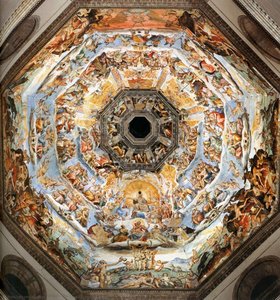
The Last Judgment


 더 보기
더 보기
지클레 / 아트 프린트
빠른 제작과 다양한 마감 옵션을 제공하는 박물관 품질의 지클레이 또는 캔버스 프린트. ( 손으로 그린 그림 구매 이미지 구매)




P118B $10

P118H $10

P118W $10

P438Z $10

P508JH $12

P508YH $12

P805H $10

P805Z $10

P919BZ $10

P919G $10

P919XJ $10

P959ZH $10

P968JZ $12

W106C $8

W218G $10

W218JH $8

W218Y $10

W307PJ $10

W316G $10

W316PJ $8

W316Y $10

W398PJ $8

W4111J $10

W500HY $15

W500JH $15

W692G $12

W849H $8

W940BG $15

W953PJ $8




작품의 원본 비율을 유지하는 미리 설정된 크기 중에서 선택하세요.

특정 프레임이나 공간에 맞춰 직접 치수를 입력하실 수 있습니다. 선택하신 사이즈가 원본 이미지의 비율과 일치하지 않을 경우, 작품을 크롭(자르기)하거나 이미지를 대칭 또는 단색 채우기로 확장하여 제작합니다. 제작 시작 전, 최종 확인을 위해 디지털 목업이 전송됩니다.
화면상의 미리보기는 실제 크롭이나 확장 상태를 반영하지 않으므로, 최종 구도는 오직 목업을 통해서만 정확하게 확인하실 수 있습니다.
맞춤 사이즈 제작도 가능하지만, 원본 비율을 유지하기 위해서는 사전 정의된 목록에서 치수를 선택하시는 것을 권장합니다.


 유리 옵션은 110cm 미만 크기에서만 선택 가능합니다.

The Last Judgment
지클레 / 아트 프린트
복제본 크기
-


최종 결제 금액
$ 64
유사한 작품들


작가 약력
The Vasari of Lombardy: The Grandeur of Camillo Procaccini
In the vibrant, turbulent landscape of late 16th-century Italy, few names resonated with as much prolific energy as Camillo Procaccini. Often bestowed with the evocative title, “The Vasari of Lombardy,” Procaccini was far more than a mere chronicler or decorator; he was a master of narrative drama who breathed life into the stone and plaster of the Counter-Reformation era. Born in Bologna in 1561, his very existence was woven into the fabric of an artistic dynasty. As the son of Ercole Procaccini the Elder and the elder brother to accomplished painters Giulio Cesare and Carlo Antonio, Camillo emerged from a Bolognese atelier where classical principles were already being reimagined through the lens of Mannerist innovation.
His early development was shaped by a profound dialogue with the masters who preceded him. While his roots lay in the disciplined traditions of Bologna, his artistic soul wandered through the works of Correggio and Parmigianino, absorbing their soft textures and elongated elegance. A pivotal moment in his journey involved study trips to Parma and Rome, where the monumental frescoes of Michelangelo and the harmonious compositions of Raphael left an indelible mark on his psyche. These encounters allowed him to synthesize a style that could balance the complex, often artificial grace of Mannerism with a burgeoning sense of emotional weight and clarity—a necessity for the religious fervor sweeping through Italy at the time.
A Milanese Triumph and the Art of Devotion
The year 1587 marked a transformative epoch in Procaccini’s career when he relocated to Milan. This move was not merely a change of scenery but an ascent into the highest echelons of European patronage. Under the watchful eye of influential figures like Count Camillo Visconti Borromeo, Procaccini began to transform the architectural spaces of Lombardy into celestial theaters. His work at the Lainate Villa showcased his burgeoning mastery of spatial illusion, where painted figures seemed to break free from their two-dimensional confines to interact with the viewer.
His influence soon permeated the most sacred institutions of the region. The Cathedral of Milan, or Duomo, became a primary stage for his genius. Whether executing the intricate organ shutters or painting profound altarpieces such as The Martyrdom of Saint Agnes, Procaccini utilized light and shadow to communicate the intense piety demanded by the Catholic Church. His ability to weave complex theological narratives into accessible, visually arresting compositions made him an indispensable tool for the dissemination of dogma. This period of his life was characterized by a relentless productivity that saw him collaborating with contemporaries like Giuseppe Meda and Ambrogio Figino, creating a unified aesthetic of splendor across Milanese churches.
Legacy of a Master Frescoist
As his career progressed, Procaccini’s reach extended far beyond the borders of Lombardy, touching the artistic circles of Venice, Genoa, and even the Swiss Canton Ticino. His legacy is not found merely in individual canvases, but in the very atmosphere of the spaces he adorned. To walk through a church decorated by Procaccini is to experience the transition from the stylized tension of Mannerism toward the more emotive, dramatic precursors of the Baroque.
The enduring significance of his work lies in several key artistic contributions:
- Narrative Mastery: His ability to direct the viewer's eye through complex, multi-figure compositions that tell a cohesive spiritual story.
- Stylistic Synthesis: The seamless blending of Bolognese precision with the atmospheric softness of the Parmese school.
- Architectural Integration: A profound understanding of how fresco and painting can alter the perceived dimensions and sanctity of a physical space.
Though time has weathered many of his frescoes, the spirit of Camillo Procaccini remains etched in the history of Italian art. He stands as a bridge between eras, a painter who captured the shifting religious and aesthetic tides of his century with unparalleled vigor and grace.

Camillo Procaccini
1561 - 1629 , Italy
주요 정보
- Artistic Movement Or Style: Mannerist
- Artists Or Movements Influenced By This Artist: ['Vasari']
- Artists Who Influenced This Artist: ['Ercole Procaccini']
- Date Of Birth: March 3, 1561
- Date Of Death: August 21, 1629
- Full Name: Camillo Procaccini
- Nationality: Italian
- Notable Artworks:
- St Ambrose Stopping Theodosius
- Left profile of a male figure
- Place Of Birth: Bologna, Italy
관련 기사 더 보기
가족 유산의 벽화: 대를 잇는 예술적 전통과 기억의 보존
가족 유산의 벽화에 담긴 예술적 전통과 기억 보존의 의미를 탐구합니다. 프레스코 기법의 역사, 제작 과정, 복원 노력을 심층 분석하고 현대적인 응용 가능성을 제시합니다. 전문가의 시각으로 고품격 미술 정보를 제공합니다.

The Enduring Legacy of Fresco Painting: Techniques, History & Contemporary Relevance
Explore the rich history & enduring artistry of fresco painting – from Giotto to Michelangelo! Discover techniques, conservation efforts, & modern applications. Learn how AllPaintingsStore brings this timeless art form to your home.

The Enduring Legacy of Fresco: Technique, History & Artistic Expression Across Cultures
Explore the rich history & enduring legacy of fresco painting! Discover ancient techniques, Giotto's masterpieces, and modern applications. Expert insights for art lovers & professionals.

Drama and Light: A Definitive Guide to the Italian Baroque Masterpieces and the Revolution of Chiaroscuro
Explore the dramatic world of Italian Baroque art. Discover how masters like Caravaggio used chiaroscuro and tenebrism to revolutionize painting through light, shadow, and profound realism. A definitive guide for history lovers and art collectors.

내면의 울림을 담은 공간: 감정적 교감을 불러일으키는 맞춤형 인테리어 프레스코 미술의 힘
프레스코 미술의 역사와 제작 기법부터 맞춤형 인테리어 디자인까지, 전문가가 알려주는 감성적인 공간 창조 노하우를 만나보세요. 오래도록 기억에 남는 특별한 공간을 위한 최고의 선택입니다.



