


 미리보기
미리보기
 공유하기
공유하기 공유하기
공유하기
 상세 정보
상세 정보 Guide
Guide

 다운로드
다운로드
 유사 작품
유사 작품 X-레이
X-레이 슬라이드 쇼
 통계 정보
통계 정보Il Pincio with a View of Villa Medici
 Impressionism
 1888
1888 56.0 x 93.0 cm
 더 보기
더 보기
수제 유화 복제품
원하는 크기와 액자로 주문 제작되는, 작가들이 직접 캔버스에 손으로 그린 유화 작품입니다. ( 프린트 판매로 전환 디지털 이미지로 전환)




































작품의 원본 비율을 유지하는 미리 설정된 크기 중에서 선택하세요.

특정 프레임이나 공간에 맞도록 직접 크기를 입력할 수 있습니다. 선택하신 크기가 원본 이미지의 비율과 일치하지 않는 경우, 작품을 자르거나 추가적인 손으로 그린 요소를 사용하여 그림을 확장합니다. 제작 시작 전 승인을 위해 디지털 목업을 보내드립니다.
화면 미리 보기는 실제 자르기 또는 확장을 반영하지 않습니다. 최종 구성은 목업을 통해서만 정확하게 확인하실 수 있습니다.
맞춤 크기 제작도 가능하지만, 원본 비율을 유지하기 위해 사전 정의된 목록에서 크기를 선택하시는 것을 권장합니다.
주문 후 AllPaintingsStore.com 팀에서 상세 안내를 위해 고객님께 이메일을 보내드리며, 미리보기 시안을 제공해 드립니다.


 유리 옵션은 110cm 미만 크기에서만 선택 가능합니다.

Il Pincio with a View of Villa Medici
재현 기법
복제본 크기
-


최종 결제 금액
$ 258
유사한 작품들


작가 약력
A Life Immersed in Aesthetic Beauty: The World of Charles Caryl Coleman
Charles Caryl Coleman, born in Buffalo, New York, in 1840, was an American artist who carved a unique niche for himself within the late 19th-century art world. His journey, spanning continents and artistic movements, culminated in a style celebrated for its delicate beauty, refined craftsmanship, and evocative atmosphere. Coleman’s story is one of dedicated study, personal hardship overcome through artistic expression, and an enduring fascination with the landscapes and aesthetics that captivated his imagination. From early training under William Holbrook Beard to formal instruction with Thomas Couture in Paris, Coleman absorbed a foundation steeped in academic tradition. This period proved crucial, exposing him to European sensibilities that would profoundly shape his artistic vision. The outbreak of the American Civil War interrupted his studies; he served with the Union Army and sustained serious injuries in South Carolina, experiences which undoubtedly left an indelible mark on his psyche. Following recovery, Coleman embarked on a series of travels through Europe alongside fellow artists William Morris Hunt and Elihu Vedder – journeys that broadened his horizons and solidified his commitment to a life devoted to art.The Italian Embrace: Finding Inspiration in Light and Form
It was Italy, however, that truly claimed Coleman’s artistic allegiance. Settling in Rome during the late 1860s and later finding solace and inspiration on the island of Capri, he immersed himself in a vibrant international art scene. This extended sojourn profoundly influenced his aesthetic sensibilities, leading him to develop a style that blended elements of Aestheticism, Pre-Raphaelitism, and Japanese artistic principles. The influence of Aestheticism is particularly evident in Coleman’s emphasis on beauty for its own sake – a rejection of moral or social didacticism in favor of pure visual harmony. His meticulous attention to detail echoes the spirit of the Pre-Raphaelites, while the flattened perspective and decorative patterns found within his compositions reveal a clear appreciation for Japanese prints. These diverse influences coalesced into something distinctly Coleman’s own: large-scale decorative panels depicting flowering branches arranged with exquisite care in ornate vases against richly patterned backgrounds.Decorative Panels and Artistic Innovation
Coleman's most significant contribution to the art world lies within these remarkable decorative panels. These were not merely paintings; they were immersive visual experiences, precursors to stained glass art that embodied the principles of the Aesthetic Movement. The attenuated branches of blossoming fruit trees or azaleas, rendered with painstaking detail, seem to float against a backdrop of luxurious textiles and intricate designs. He masterfully manipulated light and shadow, creating an ethereal quality that draws the viewer into a world of serene beauty. Beyond these panels, Coleman also excelled in Italian landscapes and still lifes, showcasing his ability to capture the nuances of light and atmosphere with remarkable sensitivity. His landscapes evoke a sense of tranquility and timelessness, while his still lifes – particularly those featuring flowers – are characterized by their delicate brushwork and exquisite attention to detail.Villa Narcissus: A Palace Dedicated to Art
Coleman’s dedication to art extended beyond the canvas; he sought to create an environment entirely devoted to aesthetic experience. In Capri, he transformed a former convent into Villa Narcissus, a “palace of art” where his own works were displayed alongside a carefully curated collection of antiquities. This space served not only as his home and studio but also as a testament to his artistic philosophy – a celebration of beauty in all its forms. The villa became a gathering place for artists, writers, and intellectuals, fostering a vibrant exchange of ideas and creative energy. It was a physical manifestation of Coleman’s belief that art should permeate every aspect of life.A Lasting Legacy
Charles Caryl Coleman passed away in Capri in 1928, leaving behind a body of work that continues to captivate and inspire. His decorative panels are now recognized as unique contributions to 19th-century American art, representing a distinctive blend of European artistic traditions and Aesthetic ideals. He bridged the gap between painting and decorative arts, influencing subsequent generations of artists and designers. Today, his paintings grace major museum collections worldwide, including the Metropolitan Museum of Art and the Virginia Museum of Fine Arts, ensuring that his legacy endures. Coleman remains a significant figure in the study of American Aestheticism and the artistic exchange between Europe and America during a pivotal period in art history – an artist who dedicated his life to the pursuit and celebration of beauty.
Charles Caryl Coleman
1840 - 1928 , United States of America
주요 정보
- Artistic Movement Or Style: Aestheticism
- Artists Or Movements Influenced By This Artist:
- Stained glass art
- Later artists/designers
- Artists Who Influenced This Artist:
- Thomas Couture
- William Morris Hunt
- Elihu Vedder
- Date Of Birth: April 25, 1840
- Date Of Death: December 5, 1928
- Full Name: Charles Caryl Coleman
- Nationality: American
- Notable Artworks:
- Garden of the Villa Castello
- Capri
- In the Shade of the Vines, Capri
- Place Of Birth: Buffalo, USA
관련 기사 더 보기

Evocations of Place: A Historical Journey Through Landscape Art
Explore the rich history of landscape art with AllPaintingsStore. Discover renowned artists, movements like Impressionism & Romanticism, and expert guidance for collecting timeless pieces. Find your perfect serene escape today!

인상주의 풍경화의 황홀한 순간들: 10대 걸작에 담긴 예술혼
인상주의 풍경화의 정수를 담은 10대 걸작! 모네, 르누아르 등 거장의 작품 비하인드 스토리와 예술혼을 만나보세요. AllPaintingsStore에서 고품격 미술 복제 및 인테리어 영감을 얻고, 당신의 공간에 예술적 감성을 더하세요. 지금 바로 AllPaintingsStore.com에서 모든 걸작을 발견해보세요!
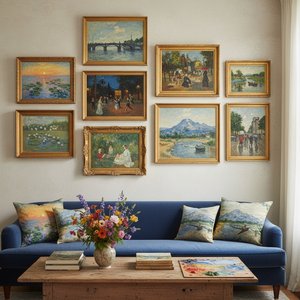
Impressionistic Landscapes: 10 Masterpieces That Changed Art & Decor
Journey into the heart of Impressionism! Explore 10 masterpieces by Monet, Renoir & Degas that revolutionized landscape art. Discover their stories, techniques & find museum-quality reproductions to elevate your home decor on AllPaintingsStore.com.

Capturing Eternal Glory: Impressionist Visions of the Roman Empire's Timeless Grandeur
Explore the breathtaking intersection of Roman grandeur and Impressionist light. Discover how masters like Monet reimagined classical ruins through vibrant, emotive brushstrokes. A cultural journey for true art lovers seeking to bring eternal glory into their homes.

Capturing Light: A Masterclass in the Ethereal Beauty of Impressionistic Landscapes
Explore the ethereal beauty of Impressionist landscapes. Discover how masters like Monet captured fleeting light through color and texture, and learn to curate these timeless, luminous masterpieces for your home collection.

