


 미리보기
미리보기
 공유하기
공유하기 공유하기
공유하기
 상세 정보
상세 정보

 다운로드
다운로드
 유사 작품
유사 작품 X-레이
X-레이 슬라이드 쇼
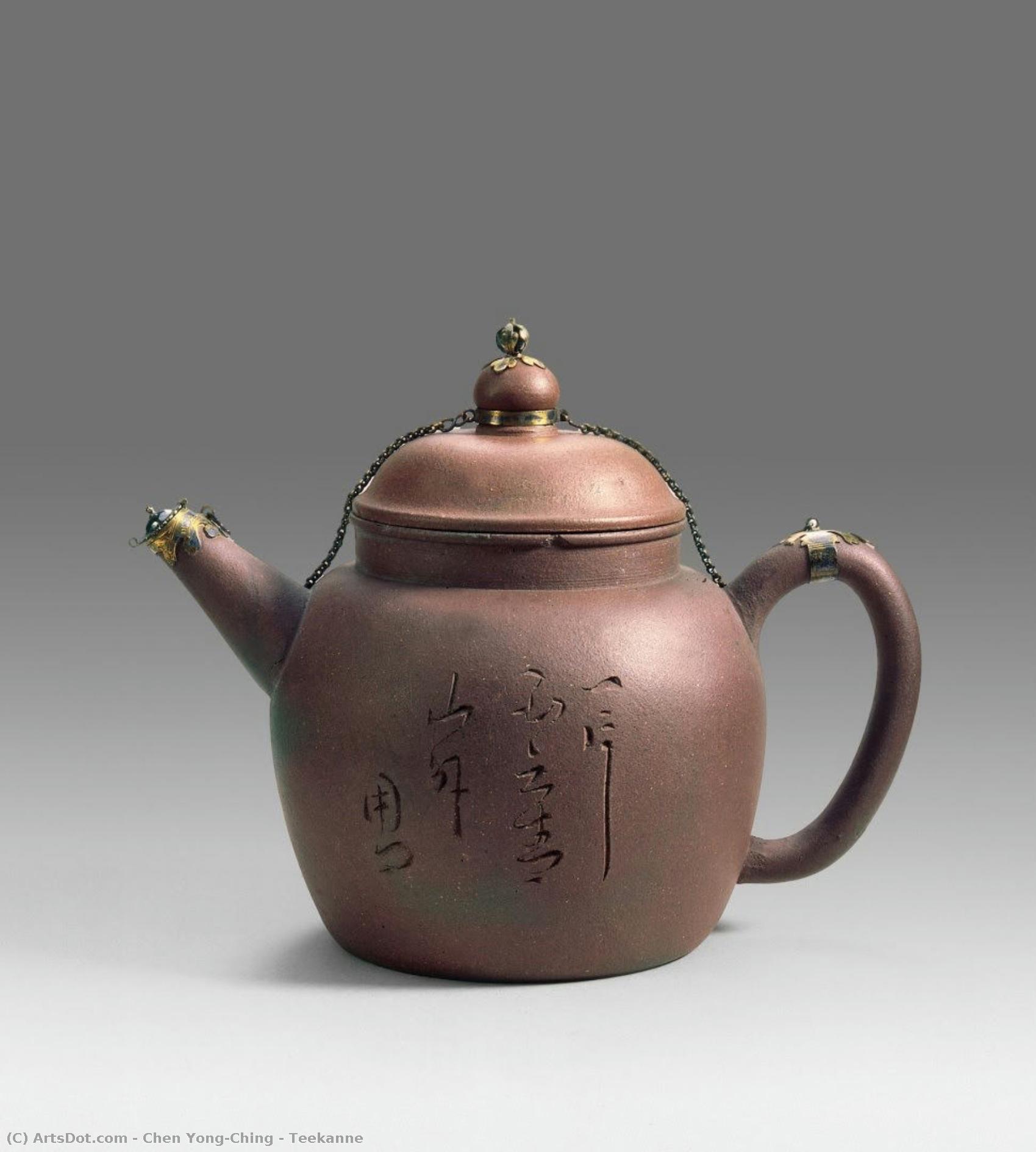
Teekanne


 더 보기
더 보기
지클레 / 아트 프린트
빠른 제작과 다양한 마감 옵션을 제공하는 박물관 품질의 지클레이 또는 캔버스 프린트. ( 손으로 그린 그림 구매 이미지 구매)




































작품의 원본 비율을 유지하는 미리 설정된 크기 중에서 선택하세요.

특정 프레임이나 공간에 맞춰 직접 치수를 입력하실 수 있습니다. 선택하신 사이즈가 원본 이미지의 비율과 일치하지 않을 경우, 작품을 크롭(자르기)하거나 이미지를 대칭 또는 단색 채우기로 확장하여 제작합니다. 제작 시작 전, 최종 확인을 위해 디지털 목업이 전송됩니다.
화면상의 미리보기는 실제 크롭이나 확장 상태를 반영하지 않으므로, 최종 구도는 오직 목업을 통해서만 정확하게 확인하실 수 있습니다.
맞춤 사이즈 제작도 가능하지만, 원본 비율을 유지하기 위해서는 사전 정의된 목록에서 치수를 선택하시는 것을 권장합니다.


 유리 옵션은 110cm 미만 크기에서만 선택 가능합니다.

Teekanne
지클레 / 아트 프린트
복제본 크기
-


최종 결제 금액
$ 64
유사한 작품들


작가 약력
Chen Yong-ching: A Glimpse into Late Ming Dynasty Art
Life and Times
Chen Yong-ching, a Chinese artist active during the tumultuous late Ming dynasty (1368–1644), remains an enigmatic figure in art history. Born around 1621 in Beijing, China, his life was tragically cut short in 1644 – the very year the Ming Dynasty fell. Details surrounding his personal life are scarce, contributing to the mystery that surrounds his artistic legacy.
Artistic Contributions
Despite limited biographical information, Chen Yong-ching is primarily known for a single, extraordinary work: a teapot crafted entirely from gold in 1644. This Teekanne, as it’s sometimes referred to, stands as a testament to his exceptional skill and artistry. The creation of such an opulent object suggests he may have worked under patronage, possibly for the imperial court or wealthy collectors.
Historical Context: The Ming Dynasty
The Ming dynasty was a period of significant cultural flourishing in China, marked by advancements in porcelain production, painting, and literature. However, it was also a time of internal strife and external pressures. By the 17th century, the dynasty faced economic hardship, peasant rebellions, and growing threats from the Manchus. This turbulent environment likely influenced artistic expression, with some artists seeking refuge in traditional forms while others experimented with new styles.
Influences and Artistic Development
Determining Chen Yong-ching’s specific influences is challenging due to the lack of documentation. However, his gold teapot exhibits stylistic elements reminiscent of earlier dynasties, particularly the Tang (618–907) and Song (960–1279) periods. These eras were celebrated for their refined aesthetics and mastery of craftsmanship. It’s plausible that Chen Yong-ching drew inspiration from antique designs or studied the works of earlier masters.
Major Achievements & Significance
- Exceptional Craftsmanship: The gold teapot demonstrates an unparalleled level of skill in metalworking and design.
- Cultural Heritage: The work represents a valuable piece of Chinese cultural heritage, showcasing the artistic capabilities of the late Ming dynasty.
- Rarity & Uniqueness: A teapot crafted entirely from gold is exceptionally rare, making Chen Yong-ching’s creation all the more significant.
Legacy and Further Exploration
Although his life remains largely unknown, Chen Yong-ching's artistic legacy endures through his remarkable gold teapot. His work offers a fascinating glimpse into the aesthetic preferences and technical expertise of late Ming dynasty artists. While further research is needed to fully understand his place in art history, his contribution serves as a reminder of the rich cultural heritage of China.

chen yong-ching
1644 , China
주요 정보
- Birth_Date: c. 1621
- Birth_Place: Beijing, China
- Death_Date: 1644
- Movement: Late Ming Dynasty
- Name: Chen Yong-ching
- Nationality: Chinese
- Notable_Works: Teekanne (Gold Teapot)
관련 기사 더 보기

Transform Your Walls: Top Trending Mural Styles from Botanical Jungles to Gold Leaf Geometry
Elevate your hospitality projects with our expert trend forecast on luxury mural styles. From biophilic botanical jungles to sophisticated gold leaf geometry, discover how bespoke architectural art transforms hotel interiors into immersive, high-end experiences.



