


 실제 크기로 보기
 보내기
보내기 공유하기
공유하기
 상세 보기
상세 보기 가이드 보기

 이미지 다운로드
 유사 작품 더 보기
 X-레이
X-레이 슬라이드 쇼 보기
 통계 정보
통계 정보Flora
 Oil On Canvas
- WallArt
- Baroque
 1630
1630- Early Modern
 89.0 x 77.0 cm
 Residenzgalerie
 상세 보기
상세 보기
지클레 / 아트 프린트
빠른 제작과 다양한 마감 옵션을 선택할 수 있는 박물관 수준의 지클레이 및 캔버스 프린트. ( 수작업 채색 복제본 주문하기 디지털 이미지 판매 채널로 전환)




P118B ₩10

P118H ₩10

P118W ₩10

P438Z ₩10

P508JH ₩12

P508YH ₩12

P805H ₩10

P805Z ₩10

P919BZ ₩10

P919G ₩10

P919XJ ₩10

P959ZH ₩10

P968JZ ₩12

W106C ₩8

W218G ₩10

W218JH ₩8

W218Y ₩10

W307PJ ₩10

W316G ₩10

W316PJ ₩8

W316Y ₩10

W398PJ ₩8

W4111J ₩10

W500HY ₩15

W500JH ₩15

W692G ₩12

W849H ₩8

W940BG ₩15

W953PJ ₩8




작품의 원본 비율을 그대로 유지하는 프리셋 사이즈 중에서 선택해 보세요.

액자나 벽면 크기에 맞춰 필요한 가로와 세로 길이를 입력해 주세요. 프린트는 원본 이미지보다 크게 제작할 수 없으며 오직 자르는 것만 가능하므로, 비율이 다른 사이즈를 선택할 경우 이미지의 일부가 잘려 나갈 수 있습니다. 인쇄 작업에 들어가기 전, 최종 확인을 위해 디지털 목업을 보내드립니다. 이 페이지에 표시된 이미지는 실제 잘리는 영역을 나타내지 않으며, 오직 목업을 통해서만 정확한 확인이 가능합니다.


 유리 옵션은 110cm 미만 크기에서만 선택 가능합니다.

Flora
지클레 / 아트 프린트
복제본 규격
-


총 결제 금액
₩ 86880
The Allure of Abundance: Exploring Claude Vignon's Flora
To gaze upon Claude Vignon’s Flora is to step into a moment suspended between earthly bounty and ethereal beauty. This painting, dating from 1630, is far more than a mere portrait; it is a rich tapestry woven from the threads of nature's generosity and feminine grace. The subject—a woman adorned with blossoms and holding a basket overflowing with fruit—immediately draws the eye into its vibrant narrative. Vignon captures her not just as a figure, but as an embodiment of springtime itself. Notice how the scattered apples, the perfect pear nestled in the upper right, and the various blooms woven into her hair create a sense of joyous, almost overwhelming abundance that speaks to life at its peak.
Mastery in Technique and Color
Vignon’s technical prowess is immediately apparent. His work is celebrated for its vibrantly coloured palette and splendid illumination, hallmarks of his mature style influenced by the great masters of Italy. The way light seems to catch on the textures—the sheen of the fruit, the delicate folds of her dress, the gleam of her necklace—is breathtaking. His brushwork, described as almost electric, allows every element, from the velvety skin of the apples to the translucent petals, to possess a tangible reality. For those considering a reproduction for your home or collection, understanding this level of detail is key; it speaks to an original commitment to rendering material splendor with unparalleled skill.
Symbolism: A Harvest of Life and Fertility
Art history has long used floral and fruit motifs to communicate deeper meanings, and Flora is no exception. The inclusion of such profuse natural elements—the flowers crowning her head, the basket brimming with ripe produce—is a classic allegory for fertility, prosperity, and the cyclical nature of life. She represents not only beauty but also the promise of harvest, suggesting that abundance follows careful cultivation, whether in a garden or in one's own endeavors. The overall mood is one of opulent contentment, inviting the viewer to contemplate themes of seasonal change and earthly blessings.
An Echo for the Modern Collector
While rooted deeply in 17th-century French painting traditions, this piece retains an enduring resonance that speaks directly to contemporary sensibilities. For the art lover or interior designer seeking a focal point imbued with history and warmth, Flora offers unparalleled depth. It functions beautifully as both a decorative statement—its rich colours adding immediate life to any space—and a profound meditation on beauty's fleeting perfection. Owning a reproduction of this work allows one to bring the sophisticated elegance and vibrant narrative power of Vignon’s genius into the modern domestic sphere, making every glance at it feel like an appreciation of nature’s most exquisite gift.
질의응답
Claude Vignon의 "Flora"의 작품 방향(가로/세로)은 어떻게 되나요?
Claude Vignon의 "Flora"은(는) Portrait 형식입니다. 이 형식은 작품 구성의 비율을 나타냅니다.
"Flora"에서 가장 돋보이는 색상은 무엇인가요?
Claude Vignon의 "Flora"의 주요 색상은 Putty (#dfbfa0)입니다.
Claude Vignon의 "Flora"의 색채 구성은 어떻게 이루어져 있나요?
"Flora"에서는 Bold 대비와 Balanced Harmony 조화가 어우러져 있습니다.
관련 작품들


작가 소개
The Enigmatic Brilliance of Claude Vignon
In the grand, sweeping tapestry of the seventeenth century, few threads are as vibrant or as difficult to untangle as those woven by Claude Vignon. A master of contradictions, Vignon was a painter whose brush seemed to dance between the structured elegance of Mannerism and the raw, dramatic shadows of the Caravaggisti. Born in Tours, France, in 1593 into a family of significant wealth, his early life provided him with the stability to pursue an artistic journey that would eventually take him from the studios of Paris to the sun-drenched streets of Rome and even through the perilous landscapes of Spain. His career was not merely a progression of skill, but a restless exploration of style, making him one of the most prolific and enigmatic figures of the French Baroque era.
Vignon’s artistic soul was forged in the crucible of international influence. While his initial training under the Mannerist Jacob Bunel in Paris provided a foundation of formal grace, it was his transformative period in Italy that truly ignited his genius. Immersed in the Roman art scene, he breathed the same air as the followers of Caravaggio, absorbing the dramatic chiaroscuro and emotional intensity of artists like Guercino and Guido Reni. This exposure allowed him to develop a technique that was nothing short of electric. His mature works are characterized by an almost feverish brushwork, where light does not merely illuminate a subject but seems to vibrate against it. He possessed a singular ability to render the tactile splendor of the material world, capturing the shimmering luster of gold, the deep richness of precious stones, and the intricate, heavy folds of luxurious textiles with a precision that mesmerized his contemporaries.
A Life of Adventure and Artistic Triumph
The life of Claude Vignon was as dramatic as the canvases he produced. His travels were marked by both cultural enrichment and physical peril; most notably, during a journey through Spain, he survived a harrowing encounter in Barcelona where he was attacked by bandits, leaving him with a permanent scar upon his face. Yet, such hardships did not dampen his professional ascent. Upon returning to France, Vignon established himself as one of the most respected and successful artists in Paris. His talent earned him the patronage of the highest echelons of French society, including the formidable King Louis XIII and the powerful Cardinal Richelieu. This level of recognition placed him at the very heart of the nation's cultural and political life.
Beyond his individual mastery, Vignon’s significance lies in his role as a bridge between disparate artistic movements. His work serves as a fascinating intersection where several great traditions met:
- The Mannerist Legacy: Retaining the sophisticated elegance and complex compositions of his early training.
- The Caravaggesque Revolution: Embracing the dramatic lighting and psychological depth brought to Europe by the Italian masters. • International Synthesis: Integrating subtle influences from Venetian color, Dutch realism, and German precision into a uniquely French vernacular.
As he navigated his career, Vignon also became a vital figure in the art commerce of his time, working closely with print publishers and dealers to ensure his imagery reached a wider audience. Though his style remained difficult for historians to categorize—often shifting between the theatrical and the delicate—his impact was undeniable. He stood as a precursor to the great shifts in European art, embodying the restless, searching spirit of an age that was moving away from the rigidities of the past toward the profound emotional landscapes of the future.

Claude Vignon
1593 - 1670 , France
작가 정보 요약
- Artistic Movement Or Style: Baroque, Mannerism, Caravaggism
- Artists Who Influenced This Artist:
- Caravaggio
- Guercino
- Guido Reni
- Annibale Carracci
- Date Of Birth: 1593
- Date Of Death: 1670
- Full Name: Claude Vignon
- Nationality: French
- Place Of Birth: Tours, France
관련 기사

Golden Age Reflections: Dutch Baroque Painting & Cultural Innovation
Explore the Dutch Golden Age of painting! Discover key artists like Vermeer & ter Borch, their innovative techniques, and the rich cultural context behind these Baroque masterpieces. Learn about collecting & appreciating this iconic art period.

Silent Narratives: Exploring the Enduring Appeal of Still Life Painting Across Centuries
Explore the rich history of still life painting with AllPaintingsStore. Discover Dutch Masters, decode vanitas symbolism & learn about collecting timeless art. Expert insights and museum-quality reproductions.
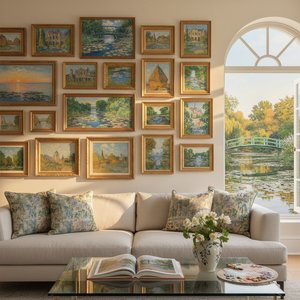
클로드 모네의 걸작 25선: 빛과 색채로 물든 예술 세계 | AllPaintingsStore
클로드 모네의 시대를 초월한 걸작 25선을 만나보세요. 인상주의 화가 모네의 빛과 색채, 그리고 숨겨진 이야기를 AllPaintingsStore에서 감상하세요. 거실, 침실을 위한 고급 미술 작품 컬렉션을 지금 바로 탐험해보세요! AllPaintingsStore.com
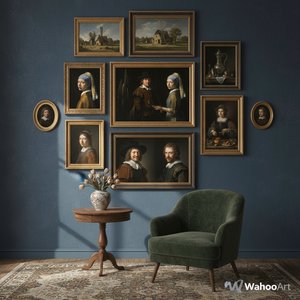
Dutch Baroque Masters: 10 Paintings That Shaped an Era | AllPaintingsStore
Journey through the Golden Age with our guide to the Top 10 Dutch Baroque masterpieces! Explore iconic paintings by Rembrandt, Vermeer & Frans Hals. Find museum-quality art reproductions and elevate your home decor at AllPaintingsStore.com.

Abraham Hendricksz van Beyeren: Pioneering Dutch Still Life & the Banquet Tradition
Explore the captivating world of Dutch Golden Age still life with Abraham van Beyeren. Discover his innovative techniques, symbolic banquet scenes & lasting influence on art history. Learn about collecting these masterpieces.

