


 미리보기
미리보기
 공유하기
공유하기 공유하기
공유하기
 상세 정보
상세 정보 Guide
Guide

 다운로드
다운로드
 유사 작품
유사 작품 X-레이
X-레이 슬라이드 쇼
 통계 정보
통계 정보Blue Silk Dress (Jane Morris)
 Acrylic On Canvas
- WallArt
- Pre-Raphaelite Revival
 1868
1868 102.0 x 90.0 cm
 더 보기
더 보기
수제 유화 복제품
원하는 크기와 액자로 주문 제작되는, 작가들이 직접 캔버스에 손으로 그린 유화 작품입니다. ( 프린트 판매로 전환 디지털 이미지로 전환)




P118B $10

P118H $10

P118W $10

P438Z $10

P508JH $12

P508YH $12

P805H $10

P805Z $10

P919BZ $10

P919G $10

P919XJ $10

P959ZH $10

P968JZ $12

W106C $8

W218G $10

W218JH $8

W218Y $10

W307PJ $10

W316G $10

W316PJ $8

W316Y $10

W398PJ $8

W4111J $10

W500HY $15

W500JH $15

W692G $12

W849H $8

W940BG $15

W953PJ $8




작품의 원본 비율을 유지하는 미리 설정된 크기 중에서 선택하세요.

특정 프레임이나 공간에 맞도록 직접 크기를 입력할 수 있습니다. 선택하신 크기가 원본 이미지의 비율과 일치하지 않는 경우, 작품을 자르거나 추가적인 손으로 그린 요소를 사용하여 그림을 확장합니다. 제작 시작 전 승인을 위해 디지털 목업을 보내드립니다.
화면 미리 보기는 실제 자르기 또는 확장을 반영하지 않습니다. 최종 구성은 목업을 통해서만 정확하게 확인하실 수 있습니다.
맞춤 크기 제작도 가능하지만, 원본 비율을 유지하기 위해 사전 정의된 목록에서 크기를 선택하시는 것을 권장합니다.
주문 후 AllPaintingsStore.com 팀에서 상세 안내를 위해 고객님께 이메일을 보내드리며, 미리보기 시안을 제공해 드립니다.


 유리 옵션은 110cm 미만 크기에서만 선택 가능합니다.

Blue Silk Dress (Jane Morris)
재현 기법
복제본 크기
-


최종 결제 금액
$ 258
A Vision of Victorian Elegance: Dante Gabriel Rossetti’s “Blue Silk Dress”
Dante Gabriel Rossetti's "Blue Silk Dress," completed in 1868, stands as a quintessential emblem of the Pre-Raphaelite aesthetic—a movement that fiercely rejected academic conventions and championed artistic idealism rooted in medieval scholarship and folklore. More than just a portrait; it’s an immersive experience into a world meticulously crafted by Rossetti himself, reflecting his profound engagement with mythology and symbolism alongside his masterful command of oil paint technique. The painting depicts Jane Morris, a celebrated Pre-Raphaelite muse who embodied the movement's core principles of beauty and spiritual contemplation.Subject Matter & Composition
The central figure is presented in a seated pose against a backdrop of draped curtains and a potted plant—elements deliberately chosen to evoke a sense of tranquil domesticity juxtaposed with an ethereal quality. Morris’s gaze directs towards the viewer, conveying both vulnerability and quiet confidence. Her attire – a flowing blue silk dress adorned with vibrant red flowers – immediately draws attention, symbolizing fertility, passion, and the transformative power of nature. The inclusion of a vase brimming with blossoms reinforces this thematic concern, mirroring motifs prevalent in Pre-Raphaelite art and literature. Furthermore, a book resting on the table subtly hints at intellectual pursuits and the importance of storytelling within Rossetti’s worldview.Technique & Style
Rossetti's meticulous brushwork is evident throughout the canvas—particularly noticeable in capturing the delicate folds of Morris’s dress and the subtle nuances of light illuminating her face. He employed a glazing technique, layering thin translucent washes of pigment over thicker underpaintings to achieve remarkable luminosity and depth. This method allowed him to reproduce textures with astonishing accuracy, conveying the luxurious sheen of silk and the velvety softness of petals. The artist's palette favored muted blues and reds—colors carefully selected to imbue the scene with emotional resonance and align with Pre-Raphaelite ideals of color harmony.Historical Context & Symbolism
“Blue Silk Dress” emerged during a period marked by significant social and intellectual upheaval – Victorian England grappling with anxieties surrounding industrialization, morality, and religious faith. The Pre-Raphaelites reacted against the prevailing artistic trends of their time, rejecting the idealized forms championed by academies like Trafalgar Square and advocating instead for a return to the stylistic conventions of artists preceding Raphael—a deliberate effort to recapture perceived spiritual purity and artistic authenticity. Rossetti’s fascination with Arthurian legend is palpable; Morris herself was a prominent figure in the burgeoning Arts and Crafts movement, which sought to revive traditional crafts and celebrate beauty as an antidote to materialism. The dress itself symbolizes feminine grace and virtue, mirroring themes explored in medieval romances and reflecting Morris's own artistic vision.Emotional Impact & Legacy
The painting transcends mere visual representation; it aspires to evoke a feeling of serene contemplation—a testament to Rossetti’s ability to translate complex ideas into emotionally compelling imagery. “Blue Silk Dress” continues to inspire artists and collectors alike, serving as an enduring symbol of Pre-Raphaelite artistry and Victorian romanticism. Its exquisite detail and luminous color palette exemplify the movement's commitment to capturing beauty in its purest form—a legacy that resonates powerfully even today.유사한 작품들


작가 약력
Dante Gabriel Rossetti (1828 – 1882) Poet, illustrator, painter
Dante Gabriel Rossetti was born in London on May 12, 1828, the second child and eldest son of Italian expatriates. Gabriele Rossetti, a Dante scholar exiled from Naples for writing poetry in support of the Neapolitan Constitution of 1819, instilled within young Gabriel a deep reverence for literature and the arts. Frances Polidori Rossetti, his mother, trained as a governess and nurtured his intellectual curiosity—a formative influence that shaped his lifelong artistic pursuits. From an early age, Rossetti demonstrated exceptional talent in drawing and painting, immersing himself in the literary world of Shakespeare, Dickens, Scott, Byron, and Wordsworth. This exposure to Romantic literature profoundly impacted his aesthetic sensibilities and fueled his desire to capture beauty and emotion on canvas.Early Life and Artistic Foundations
Rossetti’s formal education included studies at King's College London and subsequently at the Royal Academy Schools, where he honed his artistic skills under the tutelage of Ford Madox Brown—a relationship that would prove enduring and influential. He devoured the works of William Blake, Edgar Allan Poe, and Lord Byron, absorbing their poetic visions and stylistic innovations. Blake’s uncompromising critique of academic painting served as a catalyst for Rossetti's own rebellious spirit, prompting him to question established conventions and champion artistic originality. The discovery of Blake’s writings ignited his imagination and instilled in him a fascination with medieval symbolism—a preoccupation that would permeate much of his subsequent oeuvre. His early poems were marked by the influence of Keats and Shelley, reflecting their exploration of beauty, mortality, and imaginative transcendence.The Pre-Raphaelite Brotherhood: A Revolt Against Convention
Rossetti’s artistic trajectory took a decisive turn in 1848 with the formation of the Pre-Raphaelite Brotherhood—a movement he spearheaded alongside William Holman Hunt and John Everett Millais. Dissatisfied with the prevailing aesthetic standards of the Royal Academy, the Brotherhood sought to revive the stylistic qualities of Italian and Flemish art *before* the High Renaissance—rejecting idealized forms and conventional compositions in favor of meticulous observation of nature and a commitment to truthful representation. This radical stance challenged Victorian artistic norms and established Rossetti as a champion of artistic freedom and innovation. The Brotherhood’s manifesto articulated a profound critique of academic painting, arguing that it lacked spiritual depth and emotional intensity—a conviction that resonated deeply with Rossetti's own artistic convictions.Painting Style: Symbolism, Sensuality, and the Female Muse
Rossetti’s artistic style evolved over time, reflecting his deepening engagement with symbolism and emotion. While initially adhering to Pre-Raphaelite realism, he gradually embraced dreamlike imagery and explored themes of love, loss, and spiritual longing—often infused with sensual undertones. His paintings became increasingly evocative of medieval myths and legends, capturing the ethereal beauty of idealized figures and landscapes. He skillfully employed color palettes that conveyed mood and emotion, utilizing rich hues to heighten visual impact and create a sense of otherworldly allure. Notably, Rossetti’s portraits frequently depicted women—often nude or semi-nude—with an arresting gaze and graceful poses—reflecting his fascination with feminine beauty and embodying his aesthetic ideals. Paintings like *Proserpine* exemplify this later style, showcasing his mastery of symbolism and his ability to evoke profound emotional responses.Legacy and Influence: Shaping Aestheticism and Beyond
Dante Gabriel Rossetti’s artistic legacy extends far beyond his own lifetime—establishing him as a pivotal figure in the development of Aestheticism and Symbolism. His unwavering belief in beauty, emotion, and subjective experience challenged Victorian materialism and championed artistic autonomy. He profoundly influenced subsequent generations of artists—including William Morris and Edward Burne-Jones—who adopted his stylistic principles and explored similar thematic concerns. Rossetti’s work continues to inspire admiration for its imaginative vision, technical skill, and emotional depth—affirming his enduring place as one of the most important artists of the Victorian era. He remains a testament to the transformative power of art—demonstrating how it can capture the complexities of human experience and transcend temporal boundaries.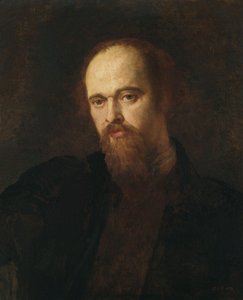
단테 가브리엘 로세티
1828 - 1882 , 영국
주요 정보
- Artistic Movement Or Style: 프라하엘리트 예술 운동
- Artists Who Influenced This Artist:
- 존 키츠
- 윌리엄 블레이크
- Date Of Birth: 5월 12일
- Date Of Death: 4월 9일
- Full Name: Dante Gabriel Rossetti
- Nationality: 영국인
- Notable Artworks:
- 프로세르피네
- 요한 야스카
- Place Of Birth: 런던 영국
관련 기사 더 보기

Pre-Raphaelite Romanticism: A Guide to Vivid Detail and Medieval Beauty in Victorian Art
Explore the vivid detail and medieval beauty of Pre-Raphaelite Romanticism. Discover the history of masters like Rossetti and Millais through our expert guide to Victorian art, perfect for collectors and professionals seeking authentic, museum-quality reproductions.


