


 미리보기
미리보기
 공유하기
공유하기 공유하기
공유하기
 상세 정보
상세 정보

 다운로드
다운로드
 유사 작품
유사 작품 X-레이
X-레이 슬라이드 쇼
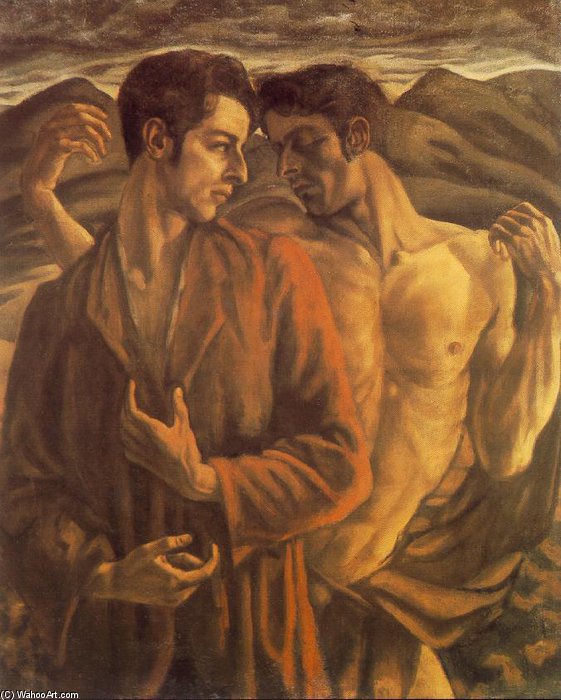
Alterego

 더 보기
더 보기
수제 유화 복제품
원하는 크기와 액자로 주문 제작되는, 작가들이 직접 캔버스에 손으로 그린 유화 작품입니다. ( 프린트 주문으로 전환 이미지로 전환)




P118B $10

P118H $10

P118W $10

P438Z $10

P508JH $12

P508YH $12

P805H $10

P805Z $10

P919BZ $10

P919G $10

P919XJ $10

P959ZH $10

P968JZ $12

W106C $8

W218G $10

W218JH $8

W218Y $10

W307PJ $10

W316G $10

W316PJ $8

W316Y $10

W398PJ $8

W4111J $10

W500HY $15

W500JH $15

W692G $12

W849H $8

W940BG $15

W953PJ $8




작품의 원본 비율을 유지하는 미리 설정된 크기 중에서 선택하세요.

특정 프레임이나 공간에 맞도록 직접 크기를 입력할 수 있습니다. 선택하신 크기가 원본 이미지의 비율과 일치하지 않는 경우, 작품을 자르거나 추가적인 손으로 그린 요소를 사용하여 그림을 확장합니다. 제작 시작 전 승인을 위해 디지털 목업을 보내드립니다.
화면 미리 보기는 실제 자르기 또는 확장을 반영하지 않습니다. 최종 구성은 목업을 통해서만 정확하게 확인하실 수 있습니다.
맞춤 크기 제작도 가능하지만, 원본 비율을 유지하기 위해 사전 정의된 목록에서 크기를 선택하시는 것을 권장합니다.
주문 후 AllPaintingsStore.com 팀에서 상세 안내를 위해 고객님께 이메일을 보내드리며, 미리보기 시안을 제공해 드립니다.


 유리 옵션은 110cm 미만 크기에서만 선택 가능합니다.

Alterego
재현 기법
복제본 크기
-


최종 결제 금액
$ 258
유사한 작품들


작가 약력
Erzsébet Korb: A Fleeting Flame of Hungarian Expressionism
Erzsébet Korb (1899-1925) remains a tragically underappreciated figure in the history of early 20th-century Hungarian art. Born in Budapest, her life was cut short at just twenty-six years old by cancer, leaving behind a remarkably potent body of work that powerfully captures the emotional turmoil and psychological depth characteristic of Expressionism, while simultaneously retaining a distinctly Hungarian sensibility. Despite a relatively brief career, Korb’s paintings – primarily portraits and landscapes – demonstrate a mastery of technique and a profound ability to convey vulnerability, isolation, and a haunting sense of melancholy.
Korb's artistic journey began under the tutelage of Oszkár Glatz at the Hungarian Academy of Fine Arts between 1917 and 1919. However, she quickly surpassed the academic constraints of the institution, seeking out the guidance of István Réti and later, Károly Patkó. This pursuit of a more individualistic approach proved pivotal, allowing her to develop a style that was both intensely personal and deeply rooted in the artistic currents of the time. Crucially, she spent a formative year studying in Italy (1924), absorbing the influence of Italian masters while simultaneously retaining her own unique vision. This period marked a significant shift towards a more mature and confident artistic voice.
The Raw Emotion of Portraiture
Korb’s most celebrated work lies within her portraits, where she fearlessly explored the complexities of human emotion. Her ‘Portrait of a Woman’ (circa 1920s), a striking example of this genre, is immediately arresting due to its raw emotional honesty. Thick impasto, bold lines, and the use of melancholic blues create an atmosphere of vulnerability and quiet despair. The subject's gaze seems to pierce through the canvas, inviting the viewer into her innermost thoughts and feelings. Similarly, ‘Seated Woman’ (1920s) is a dramatic depiction of isolation and suffering. The figure, rendered with stark lines and intense colors, embodies profound emotional distress – a testament to Korb's ability to translate psychological states onto canvas.
These portraits are not merely representations of likeness; they are explorations of the human condition. Korb’s technique—characterized by dynamic brushstrokes and an almost sculptural use of paint—heightens the sense of drama and immediacy, drawing the viewer into a deeply personal experience. The deliberate distortion of features and the unsettling color palettes contribute to the overall feeling of unease and psychological intensity.
Symbolist Landscapes and Dramatic Visions
While her portraits are arguably her most enduring legacy, Korb’s landscapes also reveal a remarkable talent for capturing atmosphere and emotion. ‘Revelation,’ painted in 1920, exemplifies this skill. This Symbolist oil painting depicts Christ and his disciple, rendered with dramatic lighting, dynamic lines, and rich color – evoking a sense of spiritual intensity and profound mystery. The composition is deliberately unsettling, reflecting the themes of sacrifice and redemption central to the biblical narrative.
Her landscapes often possess a dreamlike quality, imbued with symbolic meaning and an underlying current of melancholy. She frequently employed dark colors and distorted perspectives to create a sense of unease and disorientation, mirroring the emotional turmoil she so powerfully conveyed in her portraits. These works demonstrate a willingness to experiment with form and color, pushing beyond traditional landscape conventions.
A Legacy Cut Short
Erzsébet Korb’s career was tragically curtailed by illness at the young age of twenty-six. Despite her brief time as an artist, she left behind a body of work that is both intensely personal and remarkably powerful. Her paintings—characterized by their raw emotion, masterful technique, and distinctive Hungarian sensibility—continue to resonate with viewers today. She stands as a poignant example of a brilliant talent extinguished too soon, leaving behind a legacy that deserves greater recognition within the broader context of early 20th-century European art.
Further exploration of her work can be found at Portrait Of A Woman, Revelation and Seated Woman.

erzsebet korb
1899 - 1925 , Hungary
주요 정보
- Artistic Movement Or Style: Expressionism, Symbolism
- Artists Or Movements Influenced By This Artist:
- Aba-Novák
- Szőnyi
- Artists Who Influenced This Artist:
- Oszkár Glatz
- István Réti
- Date Of Birth: 1899, Budapest
- Date Of Death: 1925, Budapest
- Full Name: Erzsébet Korb
- Nationality: Hungarian
- Notable Artworks:
- Portrait of a Woman
- Revelation
- Seated Woman
- Place Of Birth: Budapest, Hungary
관련 기사 더 보기

Rosy Brown Hues: 10 Master Paintings & Timeless Decor Ideas |
Explore 10 iconic paintings bathed in captivating rosy brown tones! From Rembrandt to Titian, discover the stories behind these masterpieces & their warm color palettes. Find museum-quality art reproductions and decor inspiration at .

The Enduring Gaze: A Historical & Artistic Exploration of Portrait Painting Across Cultures
Explore the rich history of portrait painting with expert insights into Renaissance masterpieces & modern innovations. Discover artists, movements & commission a custom oil painting at AllPaintingsStore.
엘 그레코 걸작 25선: 영혼을 울리는 신성한 예술의 세계 | AllPaintingsStore
엘 그레코의 영혼을 담은 걸작 25선을 만나보세요. 스페인 화가 엘 그레코의 종교화, 마니에리스모 스타일, 그리고 그의 대표작들을 AllPaintingsStore에서 감상하고 특별한 인테리어 아트 아이디어를 얻으세요. 지금 바로 컬렉션을 탐험하세요!

시간을 초월하는 예술적 유산: 손으로 묘사된 초상화가 선사하는 가치와 품격
AllPaintingsStore에서 숙련된 장인의 손길로 탄생하는 맞춤 초상화 제작 서비스를 경험하세요. 소중한 추억을 예술 작품으로, 시간을 초월하는 가치 있는 유산으로 만들어 드립니다. 지금 바로 특별한 그림을 만나보세요!
단테 가브리엘 로세티의 걸작 25선: 아름다움과 상징으로 물든 예술 세계 | AllPaintingsStore
단테 가브리엘 로세티의 시대를 초월하는 걸작 25선을 만나보세요. 프레라파엘리트 운동의 정수를 담은 그림 속 아름다움과 상징을 탐험하고, AllPaintingsStore에서 고품질 미술 작품으로 공간에 예술적인 감성을 더하세요. 지금 바로 컬렉션을 확인하세요!



