


 실제 크기로 보기
 보내기
보내기 공유하기
공유하기
 상세 보기
상세 보기 가이드 보기

 이미지 다운로드
 유사 작품 더 보기
 X-레이
X-레이 슬라이드 쇼 보기
 통계 정보
통계 정보Saint cloud

 상세 보기
상세 보기
핸드메이드 유화 복제화
작가가 직접 캔버스에 손으로 그린 유화 작품으로, 원하는 크기와 액자로 맞춤 제작해 드립니다. ( 프린트 판매로 전환 디지털 이미지 판매 채널로 전환)




P118B ₩10

P118H ₩10

P118W ₩10

P438Z ₩10

P508JH ₩12

P508YH ₩12

P805H ₩10

P805Z ₩10

P919BZ ₩10

P919G ₩10

P919XJ ₩10

P959ZH ₩10

P968JZ ₩12

W106C ₩8

W218G ₩10

W218JH ₩8

W218Y ₩10

W307PJ ₩10

W316G ₩10

W316PJ ₩8

W316Y ₩10

W398PJ ₩8

W4111J ₩10

W500HY ₩15

W500JH ₩15

W692G ₩12

W849H ₩8

W940BG ₩15

W953PJ ₩8




작품의 원본 비율을 그대로 유지하는 프리셋 사이즈 중에서 선택해 보세요.

액자나 벽면 크기에 맞춰 필요한 가로와 세로 길이를 입력해 주세요. 본 작품은 수작업으로 제작되므로, 요청하신 비율에 따라 작가가 그림의 가장자리를 조금 더 넓게 그리거나 일부를 조정하여 작업할 수 있습니다. 작업 시작 전, 최종 확인을 위해 디지털 목업 이미지를 보내드립니다. 이 페이지에 표시된 이미지는 실제 결과물과 다를 수 있으며, 오직 목업 이미지만이 정확한 결과물을 보여줍니다.
주문 완료 후 AllPaintingsStore.com 팀에서 상세 안내를 위해 고객님께 이메일을 보내드리며, 미리보기 시안을 함께 제공해 드립니다.


 유리 옵션은 110cm 미만 크기에서만 선택 가능합니다.

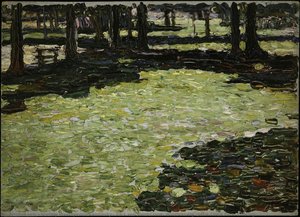
Saint cloud
재현 매체
복제본 규격
-


총 결제 금액
₩ 350118
관련 작품들


작가 소개
옛 파리의 기록자: 외젠 아젱의 삶과 유산
1857년 프랑스의 조용한 마을 리부른에서 장 외젠 오귀스트 아젱이라는 이름으로 태어난, 훗날 '옛 파리' 그 자체와 동의어가 된 이 사진작가의 삶은 상실의 그림자 속에서 시작되었습니다. 부모를 모두 여의고 일곱 살이라는 어린 나이에 고아가 된 어린 외젠은 보르도에 있는 외조부모의 손에 자랐습니다. 이러한 초기 유랑의 경험과 어쩌면 싹트기 시작한 무상함에 대한 감각은, 훗날 사라져가는 세상을 기록하고자 했던 그의 예술적 동력, 즉 눈앞에서 미끄러져 나가는 세계를 붙잡으려는 강박적인 열망에 미묘한 영향을 주었을지도 모릅니다. 그의 초기 포부는 사진과는 거리가 멀었습니다. 아젱은 연기자를 꿈꾸며 연극 학교에 입학했지만, 병역 의무로 인해 그 길은 중단되었습니다. 이후 유랑 극단에서 배우로서의 경력을 이어가려던 시도 또한 성대 문제로 인해 좌절되었고, 결국 그는 자신의 진로를 재고해야만 했습니다. 이러한 초기 좌절을 겪은 후, 1887년 무렵 그는 새롭게 떠오르던 예술 분야인 사진으로 눈을 돌렸습니다. 처음에는 예술가와 공예가들에게 판매할 목적으로 아름다운 풍경과 참고 자료로서의 장면들을 담아내기 시작했습니다.체계적인 시선: 사라져가는 파리를 기록하다
1897년경 찾아온 결정적인 변화는 아젝의 독보적인 일생의 작업이 진정으로 시작되었음을 알리는 신호탄이었습니다. 그는 '옛 파리'를 체계적으로 기록하는 프로젝트에 착수했으며, 이 작업은 이후 거의 30년 동안 그를 사로잡았습니다. 이것은 단순히 아름다운 풍경을 찾는 관광객의 시선이 아니었습니다. 급격한 현대화가 진행되던 도시의 물리적 구조를 보존하고자 하는 열망에서 비롯된, 거의 인류학적인 과업에 가까웠습니다. 대형 판식식 목제 벨로즈 카메라와 유리 건판(18x24cm)을 무기로, 아젱은 파리의 역사적 심장을 정의하던 좁은 골목, 오래된 안뜰, 웅장한 궁전, 그리고 북적이는 거리의 삶을 세밀하게 기록했습니다. 그는 예술적인 미화나 극적인 구도에는 관심이 없었습니다. 그의 접근 방식은 근본적으로 다큐멘리적이었으며, 객관적인 재현을 향한 끊임없는 노력이었습니다. 1906년 이후 이러한 헌신은 카르나발레 박물관과 파리 시립 역사 도서관 같은 기관으로부터 의뢰를 이끌어냈고, 그는 파리 역사의 공식적인 기록자로서의 입지를 굳혔습니다. 그는 거대한 기념비뿐만 아니라 상점의 쇼윈도, 거리의 노점상, 넝마 수집가, 심지어 매춘부에 이르기까지 일상의 세세한 부분들을 사진에 담아내며, 도시 삶의 복잡성을 아우르는 포괄적인 초상을 그려냈습니다.독특한 미학: 분위기와 시간의 흐듬
아젱의 사진은 예술적 의도만큼이나 기술적 필연성에서 비롯된 독특한 미학을 지니고 있습니다. 그가 사용한 장비로 인해 필요했던 긴 노출 시간은 종종 움직임을 흐릿하게 만들어 몽환적인 분위기를 자아내는 부드러운 질감을 만들어냈습니다. 이는 결점이 아니라 오히려 그의 사진을 정의하는 특징이었으며, 이미지에 영원성과 우울함을 부여했습니다. 그는 인물이 거의 없는 장면이나, 긴 노출로 인해 유령처럼 흐릿해진 인물들을 자주 포착하여 선명한 디테일보다는 공간과 분위기를 강조했습니다. 그의 구도는 종종 극적인 초점이 의도적으로 결여된 것이 특징입니다. 대신 그는 넓은 시야를 제시하며 관찰자가 그 장면 속을 거닐며 분위기에 젖어 들도록 초대합니다. 이러한 접근 방식은 찰나의 순간을 포착하는 것이 아니라, 장소가 지닌 지속적인 존재감, 즉 파리의 돌과 거리 속에 새겨진 역사의 무게를 전달하려는 것이었습니다. 그는 해석하기보다 기록하기를 원했습니다.뒤늦은 인정과 영원한 영향력
약 8,500장에 달하는 방대한 작업량과 그의 헌신에도 불구하고, 아젱은 생전에 놀라울 정도로 거의 인정받지 못했습니다. 오직 소수의 젊은 예술가들만이 그의 방식 속에 숨겨진 천재성을 알아차렸을 뿐입니다. 그의 유산이 본격적으로 펼쳐지기 시작한 것은 1927년 그가 세상을 떠난 이후였으며, 이는 주로 미국 사진작가 베레니스 애벗의 노력 덕분이었습니다. 아젱 작업의 중요성을 알아본 애벗은 그의 아카이브를 구입하여 전시와 출판을 통해 그의 사진을 끊임없이 홍보했습니다. 이후 그녀는 1968년 소장품의 상당 부분을 뉴욕 현대 미술관(MoMA)에 기증함으로써, 후대를 위한 보존과 접근성을 보장했습니다.
외젠 아젵
1857 - 1927 , 프랑스
작가 정보 요약
- Artistic Movement Or Style: 다큐멘터리 사진
- Artists Or Movements Influenced By This Artist:
- 초현실주의
- 베레니스 애보트
- Date Of Birth: 1857년 2월 12일
- Date Of Death: 1927년 8월 4일
- Full Name: 외젠 앗제
- Nationality: 프랑스
- Notable Artworks:
- 너도밤나무
- 페트 뒤 트론
- 기뇰, 뤽상부르 공원
- Place Of Birth: 프랑스 리부른
관련 기사

Gordon Parks: A Poetic Lens on American Life – Photography, Social Justice & Storytelling
Explore the profound work of Gordon Parks, a groundbreaking photographer who documented American life with unparalleled empathy and artistry. Discover his iconic images & lasting impact on social justice through Life magazine & beyond.

Saint George in Art: A Scholarly Exploration of Iconic Masterpieces and Eternal Legends
Delve into the profound legacy of Saint George through art history. Explore iconic masterpieces by Raphael and Dürer, decoding the iconography of the dragon legend. Discover scholarly insights and bring these timeless tales to life with our museum-quality, hand-painted oil reproductions.
Mars Black Masterpieces: 10 Iconic Paintings & Timeless Art Decor Ideas
Delve into the power of 'Mars Black' with 10 iconic paintings by masters like Rembrandt & Caravaggio. Explore dramatic chiaroscuro, gothic art, and timeless beauty. Find museum-quality reproductions & elevate your home decor on .

Discover the Divine: Inspiring Saint Anthony Artworks to Elevate Your Home Decor
Transform your home with the profound beauty of Saint Anthony artworks. Explore exquisite Baroque reproductions by Murillo and Zurbarán, hand-painted on 100% cotton canvas to bring divine serenity and timeless elegance to your interior design.

Dark Masterpieces: 10 Iconic Paintings Dominated by Black Tones |
Explore 10 iconic paintings dominated by black tones, from Rembrandt’s chiaroscuro to Goya's dark expressions. Discover the stories behind these masterpieces & find museum-quality art reproductions for your home at .

