


 미리보기
미리보기
 공유하기
공유하기 공유하기
공유하기
 상세 정보
상세 정보 Guide
Guide

 다운로드
다운로드
 유사 작품
유사 작품 X-레이
X-레이 슬라이드 쇼
 통계 정보
통계 정보Landscape in the Environs of Venice
 17.0 x 23.0 cm
 미술관
미술관
 더 보기
더 보기
수제 유화 복제품
원하는 크기와 액자로 주문 제작되는, 작가들이 직접 캔버스에 손으로 그린 유화 작품입니다. ( 프린트 판매로 전환 디지털 이미지로 전환)




































작품의 원본 비율을 유지하는 미리 설정된 크기 중에서 선택하세요.

특정 프레임이나 공간에 맞도록 직접 크기를 입력할 수 있습니다. 선택하신 크기가 원본 이미지의 비율과 일치하지 않는 경우, 작품을 자르거나 추가적인 손으로 그린 요소를 사용하여 그림을 확장합니다. 제작 시작 전 승인을 위해 디지털 목업을 보내드립니다.
화면 미리 보기는 실제 자르기 또는 확장을 반영하지 않습니다. 최종 구성은 목업을 통해서만 정확하게 확인하실 수 있습니다.
맞춤 크기 제작도 가능하지만, 원본 비율을 유지하기 위해 사전 정의된 목록에서 크기를 선택하시는 것을 권장합니다.
주문 후 AllPaintingsStore.com 팀에서 상세 안내를 위해 고객님께 이메일을 보내드리며, 미리보기 시안을 제공해 드립니다.


 유리 옵션은 110cm 미만 크기에서만 선택 가능합니다.

Landscape in the Environs of Venice
재현 기법
복제본 크기
-


최종 결제 금액
$ 258
유사한 작품들


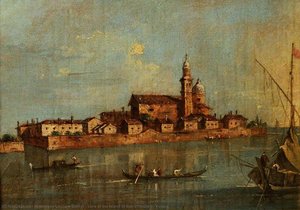

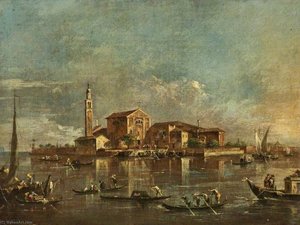
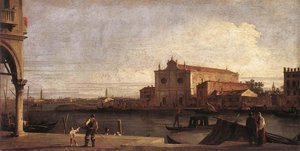

작가 약력
A Venetian Legacy: The Life and Art of Giacomo Guardi
Giacomo Guardi, born in Venice in 1764, inherited a formidable artistic lineage as the son of Francesco Guardi, one of the city’s most celebrated *veduta* painters. While often overshadowed by his father's brilliance, Giacomo carved out his own niche within the vibrant Venetian art scene, continuing the tradition of capturing the unique beauty and atmosphere of his hometown. His life unfolded against a backdrop of shifting artistic tastes and political currents, influencing both his style and the reception of his work. Though he didn’t achieve the same level of renown as Francesco, Giacomo's paintings offer a fascinating glimpse into 18th-century Venice and demonstrate a distinct mastery of *pittura di tocco* – a technique characterized by spirited brushstrokes and an emphasis on light and atmosphere.Following in His Father’s Footsteps
Giacomo's artistic education began within his father’s workshop, where he collaborated with Francesco for approximately ten years, beginning around 1780. This period proved crucial to his development, allowing him to absorb the techniques and sensibilities that defined Francesco Guardi’s celebrated style. Francesco was experiencing a peak in his career during this time, receiving prestigious commissions from figures like Pope Pius VI and the Tsarevich Pavel Petrovich of Russia. Giacomo assisted with these large-scale projects, gaining invaluable experience in composition, perspective, and the rendering of architectural details. However, distinguishing between works created solely by Francesco and those resulting from their collaboration can be challenging, as they sometimes deliberately blurred the lines through shared stylistic elements and signatures. The Academy of Venice had long resisted acknowledging *veduta* painting as a major genre; Francesco’s eventual acceptance in 1784 was a landmark moment, and Giacomo benefited directly from this shift in perception.A Distinct Style Emerges: Small Views and Souvenir Paintings
Following his father's death in 1793, Giacomo continued to produce *vedute*, but increasingly focused on smaller-scale works that catered to a different market. Unlike Francesco’s grand panoramic views of Venice, Giacomo specialized in intimate scenes—often described as akin to postcards rather than sweeping landscapes. These paintings, executed in oil, gouache, or tempera, were popular with tourists seeking affordable souvenirs to commemorate their travels. A recurring feature of these works is an inscription on the verso detailing the artist’s location – a deliberate attempt to attract customers and promote his services. While some critics dismissed these smaller paintings as lacking artistic merit, they reveal Giacomo's unique ability to capture the essence of Venetian life with quick, expressive brushstrokes and a keen eye for detail. His mastery of *pittura di tocco* allowed him to convey the city’s atmosphere—the play of light on water, the bustling activity of the canals, the architectural splendor of its palaces—with remarkable efficiency.Challenges and Historical Significance
Giacomo Guardi's legacy is complicated by the frequent misattribution of paintings to his name. The sheer volume of works circulating under his authorship, coupled with the stylistic similarities between his art and that of his father, makes authentication a difficult process. Furthermore, his later life was marked by financial hardship, hindering his ability to establish a consistent reputation. Despite these challenges, Giacomo Guardi remains an important figure in the history of Venetian art. He represents a continuation of the *veduta* tradition—a genre deeply intertwined with the city’s identity and cultural heritage. His smaller paintings offer valuable insights into the everyday life of 18th-century Venice, providing a glimpse beyond the grand public spaces depicted by his father and other prominent artists.Key Characteristics of Giacomo Guardi's Work
- Pittura di Tocco: A hallmark of his style, characterized by rapid, expressive brushstrokes that create a sense of movement and atmosphere.
- Small-Scale Vedute: He specialized in intimate views of Venice, often resembling postcards or souvenir paintings.
- Focus on Light and Atmosphere: Giacomo skillfully captured the unique quality of Venetian light and its effect on the city’s architecture and canals.
- Tempera Technique: Frequently employed tempera paint, resulting in vibrant colors and a distinctive texture.
- Inscriptions for Promotion: Many paintings feature inscriptions on the verso indicating his location to attract potential buyers.

giacomo guardi
1764 - 1835 , Italy
주요 정보
- Artistic Movement Or Style: Veduta
- Artists Or Movements Influenced By This Artist: ['Canaletto']
- Artists Who Influenced This Artist: ['Francesco Guardi']
- Date Of Birth: 1764
- Full Name: Giacomo Guardi
- Nationality: Italian
- Notable Artworks:
- Saint Adoring the Eucharist
- Doge's Feasts
- Place Of Birth: Venice, Italy

