


 실제 크기로 보기
 보내기
보내기 공유하기
공유하기
 상세 보기
상세 보기 가이드 보기

 이미지 다운로드
 유사 작품 더 보기
 X-레이
X-레이 슬라이드 쇼 보기
 통계 정보
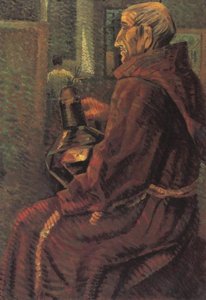
통계 정보Monks
 Expressionism
 21.0 x 29.0 cm
 상세 보기
상세 보기
이 페이지에 표시된 작품은 저작권법의 보호를 받으며, 이에 따라 동일한 복제품을 제작하거나 판매하는 것은 법으로 금지되어 있습니다. 이러한 권리 보호는 다음과 같은 국제 협약에 따라 시행됩니다. 베른 협약 또한 다음에서 명시하는 법률을 포함한 국내법에 의해 보호됩니다. 미국 저작권법 제17조.
이 방식은 저작권 보호를 받는 예술 작품을 복제하거나 그대로 재현하는 것이 아니기에 저작권 규정을 완벽히 준수합니다. 대신, 이는 창의적인 재해석의 과정을 거칩니다. 즉, 원작에서 영감을 받되 원작과 동일하지 않은 새로운 회화 작품을 의미합니다.
지클레 / 아트 프린트
빠른 제작과 다양한 마감 옵션을 선택할 수 있는 박물관 수준의 지클레이 및 캔버스 프린트. ( 수작업 채색 복제본 주문하기 디지털 이미지 판매 채널로 전환)




































작품의 원본 비율을 그대로 유지하는 프리셋 사이즈 중에서 선택해 보세요.

액자나 벽면 크기에 맞춰 필요한 가로와 세로 길이를 입력해 주세요. 프린트는 원본 이미지보다 크게 제작할 수 없으며 오직 자르는 것만 가능하므로, 비율이 다른 사이즈를 선택할 경우 이미지의 일부가 잘려 나갈 수 있습니다. 인쇄 작업에 들어가기 전, 최종 확인을 위해 디지털 목업을 보내드립니다. 이 페이지에 표시된 이미지는 실제 잘리는 영역을 나타내지 않으며, 오직 목업을 통해서만 정확한 확인이 가능합니다.


 유리 옵션은 110cm 미만 크기에서만 선택 가능합니다.

Monks
지클레 / 아트 프린트
복제본 규격
-


총 결제 금액
₩ 86851
관련 작품들




작가 소개
Henri Masson: A Painter of Quebec’s Soul
Born in Spy, Belgium, in 1907, Henri Masson's artistic journey began early, fueled by a childhood fascination with drawing and painting. His family’s relocation to Canada in 1921, settling in Ottawa, marked the beginning of his Canadian career, initially finding work as a master engraver – a profession he diligently pursued until 1945. It was during this period that a pivotal encounter occurred: a visit to the National Gallery of Canada ignited a profound appreciation for the Group of Seven and their distinctive approach to landscape painting. This experience irrevocably shifted Masson’s trajectory, leading him to embrace painting as his primary artistic focus.
Masson's early training was largely self-directed, supplemented by studies at the Ottawa Art Association with George Rowles and Franklin Brownell. He quickly distinguished himself within the local art scene, joining Les Confrères artistes Le Caveau in 1933 – a collective that provided crucial support, exhibition opportunities, and a vibrant artistic community. This association fostered his development as both an artist and a teacher, shaping his approach to art education and solidifying his commitment to sharing his knowledge.
The Language of Quebec: Subject Matter and Style
Masson’s artistic vision centered on capturing the essence of Quebec – its landscapes, its people, and its everyday life. He wasn't interested in grand, idealized vistas; instead, he sought out the authentic beauty found in rural communities, working-class neighborhoods, and quiet moments of domesticity. His subjects ranged from bustling street scenes to serene depictions of nature, often imbued with a sense of nostalgia and warmth. He frequently employed a loose, vigorous brushstroke, utilizing a broad palette of colors – particularly vibrant blues, greens, and yellows – to create dynamic compositions that conveyed both immediacy and emotional resonance.
His technique was characterized by a deliberate layering of paint, often beginning with an ink outline to establish the composition before adding washes of watercolor. This approach allowed him to capture subtle shifts in light and atmosphere while maintaining a sense of spontaneity and energy. Masson’s work is not simply representational; it's infused with a deeply personal perspective, reflecting his love for Quebec and its people.
A Journey Beyond Borders: Exhibitions and Recognition
Throughout the 1940s and beyond, Masson’s paintings garnered increasing recognition both in Canada and internationally. He participated in numerous solo and group exhibitions, including a significant showing at the 1939 World's Fair in New York, an International Watercolor Exhibition in Brooklyn, and a Canadian Art exhibition in Rio de Janeiro. His work was also featured at UNESCO headquarters in Paris, the National Gallery of Art in Washington D.C., and the Colombo International Exhibition of Modern Art in New Delhi.
His paintings have been collected by prestigious institutions worldwide, including the National Gallery of Canada, the Art Gallery of Ontario, the Musée national des beaux-arts du Québec, and the Remai Modern in Saskatoon. In 1972, a reproduction of his painting *Skaters in Hull* was featured on a Canadian postage stamp – a testament to his enduring popularity and artistic significance.
Legacy and Enduring Influence
Henri Masson’s impact extends beyond the canvases he created. In 1979, Rue Henri-Masson was named in his honor in Roussillon, Quebec, recognizing his contribution to the community and the province's artistic heritage. Furthermore, the City of Ottawa commemorated his life and work by establishing the Karsh-Masson Gallery at City Hall – a dedicated space for showcasing his paintings alongside those of renowned photographer Yousuf Karsh.
Masson’s legacy lies not only in his distinctive style but also in his dedication to documenting the everyday realities of Quebec. His paintings offer a poignant glimpse into a bygone era, capturing the spirit and character of a region that continues to resonate with artists and viewers alike. He remains an important figure in Canadian art history, celebrated for his ability to transform ordinary scenes into works of enduring beauty and emotional depth.

Henri Masson
1907 - 1996
작가 정보 요약
- Full Name: Henri Léopold Masson
- Nationality: Canadian
- Date Of Birth: 1907
- Date Of Death: 1996
- Place Of Birth: Spy, Belgium
- Notable Artworks:
- San Marco (1979)
- Street in Ottawa (1938)
- Artistic Movement Or Style: Regionalism, Landscape
- Artists Who Influenced This Artist: ['Group of Seven']
- Artists Or Movements Influenced By This Artist: ['Les Confrères artistes Le Caveau']
관련 기사
앙리 마티스의 걸작 25선: 색채와 감각의 혁신을 만나다 | AllPaintingsStore
앙리 마티스의 시대를 초월하는 걸작 25선을 만나보세요. 색채주의, 야수파를 대표하는 그의 삶과 예술 세계를 탐험하고, AllPaintingsStore에서 명화 복제본으로 거실 인테리어에 감동을 더하세요. 지금 바로 컬렉션을 확인하세요!

Oil on Canvas: A Historical & Technical Exploration of a Timeless Artistic Medium
Explore the rich history & enduring techniques of oil painting on canvas. Discover the science behind its longevity, conservation practices, and contemporary relevance. Expert insights for art enthusiasts.

캔버스의 유산: 기법, 역사 그리고 현대적 실천
유화의 역사와 기법부터 현대적 실천까지, 캔버스의 모든 것을 심도 있게 다룹니다. 주요 화가들의 작품 분석과 유화 제작 과정을 상세히 안내하며, 아트 컬렉션을 위한 최고의 정보를 제공합니다.

The Enduring Legacy of Oil on Canvas: Technique, History & Aesthetic Impact
Explore the rich history & techniques of oil painting – from Renaissance masters to Impressionism. Discover pigments, layering methods, and why this timeless medium endures. Expert insights for artists & art enthusiasts.

The Enduring Power of Painting: A Historical & Contemporary Exploration of Form and Emotion
Explore the rich history & enduring techniques of oil painting with AllPaintingsStore. Discover masterpieces, learn about art collecting, and find authentic handmade reproductions crafted by skilled artists.

