


 미리보기
미리보기
 공유하기
공유하기 공유하기
공유하기
 상세 정보
상세 정보

 다운로드
다운로드
 유사 작품
유사 작품 X-레이
X-레이 슬라이드 쇼
Expressionistische Landschaft
 더 보기
더 보기
지클레 / 아트 프린트
빠른 제작과 다양한 마감 옵션을 제공하는 박물관 품질의 지클레이 또는 캔버스 프린트. ( 손으로 그린 그림 구매 이미지 구매)




































작품의 원본 비율을 유지하는 미리 설정된 크기 중에서 선택하세요.

특정 프레임이나 공간에 맞춰 직접 치수를 입력하실 수 있습니다. 선택하신 사이즈가 원본 이미지의 비율과 일치하지 않을 경우, 작품을 크롭(자르기)하거나 이미지를 대칭 또는 단색 채우기로 확장하여 제작합니다. 제작 시작 전, 최종 확인을 위해 디지털 목업이 전송됩니다.
화면상의 미리보기는 실제 크롭이나 확장 상태를 반영하지 않으므로, 최종 구도는 오직 목업을 통해서만 정확하게 확인하실 수 있습니다.
맞춤 사이즈 제작도 가능하지만, 원본 비율을 유지하기 위해서는 사전 정의된 목록에서 치수를 선택하시는 것을 권장합니다.


 유리 옵션은 110cm 미만 크기에서만 선택 가능합니다.

Expressionistische Landschaft
지클레 / 아트 프린트
복제본 크기
-


최종 결제 금액
$ 64
유사한 작품들
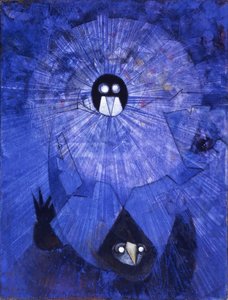




작가 약력
Hermann Scherer: Life and Legacy
Early Life and Training
Hermann Scherer was born in Rümpingen, Baden-Württemberg, Germany, in 1893. He began his artistic journey not with a brush, but with stone. After leaving school in 1907, he undertook an apprenticeship as a stonemason at the Schwab workshop in Lörrach. This foundational training would profoundly influence his later sculptural work and understanding of form.
Sculptural Beginnings & Artistic Development
From 1910 to 1919, Scherer honed his skills working with a series of Basel sculptors – Carl Gutknecht, Otto Roos, and Carl Burckhardt. Working as a laborer and later an assistant for Roos allowed him to establish a small workshop of his own. This period was crucial in developing his technical abilities and artistic vision. In 1919, Scherer underwent a significant shift, rejecting much of his earlier work and embracing a more contemporary approach to art.
Influences & Expressionist Exploration
The early 1920s marked a period of intense artistic exploration for Scherer. He was deeply influenced by the German painters Erich Heckel, Ernst Ludwig Kirchner, and Karl Schmidt-Rottluff. A visit to an exhibition of Edvard Munch’s work in Zurich further ignited his passion for Expressionism. He forged a close relationship with Kirchner, traveling to Davos for extended painting trips from 1922 to 1924.
The Rot-Blau Group & Public Reaction
In late 1924, Scherer co-founded the artist group Rot-Blau (Red-Blue) with Albert Müller and Paul Camenisch, later joined by Werner Neuhaus. Their debut exhibition at the Basler Kunstverein in 1925 provoked a strong public reaction; some works were deemed offensive in both Basel and Zurich. Despite this controversy, Rot-Blau became an important force in Swiss Expressionism.
Later Years & Legacy
Although his friendship with Kirchner cooled in 1925, their shared commitment to Expressionism remained. Kirchner continued to support the Rot-Blau group, showcasing their work at an international art exhibition in Dresden in 1926. Sadly, Scherer’s career was cut short by illness. He became seriously ill in autumn 1926 and died in Basel on May 13, 1927.
Major Achievements & Historical Significance
- A posthumous exhibition at the Kunsthalle Basel in 1927 showcased over 200 of his works.
- The Dreiländermuseum in Lörrach holds a significant collection of Scherer’s art, including woodcuts and the “Portrait of Otto Staiger.”
- Streets and bridges in Rümpingen are named in his honor.
- His sculpture "Das kleine Mädchen" ("The Little Girl") was acquired by the Pfalzgalerie Kaiserslautern for over 140,000 euros in 2004.
Hermann Scherer’s work represents a vital contribution to Swiss Expressionism. His bold use of color, emotive subject matter, and innovative approach to both painting and sculpture continue to resonate with audiences today. He remains a notable figure in the history of 20th-century art.

Hermann Scherer
1893 - 1927 , Germany
주요 정보
- Birth Date: 1893
- Birth Place: Rümpingen, Germany
- Death Date: 1927-05-13
- Influenced:
- Albert Müller
- Paul Camenisch
- Werner Neuhaus
- Influenced By:
- Erich Heckel
- Ernst Ludwig Kirchner
- Karl Schmidt-Rottluff
- Edvard Munch
- Movement: Expressionism
- Name: Hermann Scherer
- Nationality: Swiss
- Notable Works:
- Expressionistische Landschaft
- Tessiner Landschaft
- Das kleine Mädchen


