


 미리보기
미리보기
 공유하기
공유하기 공유하기
공유하기
 상세 정보
상세 정보 Guide
Guide

 다운로드
다운로드
 유사 작품
유사 작품 X-레이
X-레이 슬라이드 쇼
 통계 정보
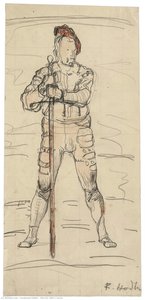
통계 정보Halder Suit Of Armour For The Duke Of Worcester

 더 보기
더 보기
지클레 / 아트 프린트
빠른 제작과 다양한 마감 옵션을 제공하는 박물관 품질의 지클레이 또는 캔버스 프린트. ( 손으로 그린 그림 구매 디지털 이미지로 전환)




































작품의 원본 비율을 유지하는 미리 설정된 크기 중에서 선택하세요.

특정 프레임이나 공간에 맞춰 직접 치수를 입력하실 수 있습니다. 선택하신 사이즈가 원본 이미지의 비율과 일치하지 않을 경우, 작품을 크롭(자르기)하거나 이미지를 대칭 또는 단색 채우기로 확장하여 제작합니다. 제작 시작 전, 최종 확인을 위해 디지털 목업이 전송됩니다.
화면상의 미리보기는 실제 크롭이나 확장 상태를 반영하지 않으므로, 최종 구도는 오직 목업을 통해서만 정확하게 확인하실 수 있습니다.
맞춤 사이즈 제작도 가능하지만, 원본 비율을 유지하기 위해서는 사전 정의된 목록에서 치수를 선택하시는 것을 권장합니다.


 유리 옵션은 110cm 미만 크기에서만 선택 가능합니다.

Halder Suit Of Armour For The Duke Of Worcester
지클레 / 아트 프린트
복제본 크기
-


최종 결제 금액
$ 64
유사한 작품들




작가 약력
The Shadow of the Tudor Court: Unveiling Jacobe Halder, Master Armorer
Jacobe Halder’s name may not be instantly familiar to the general public, yet within the annals of 16th-century European art and military history, he stands as a pivotal figure – a master armorer whose meticulous craftsmanship shaped the armor worn by some of England's most prominent nobility. Born in Landshut, Bavaria, around 1558, Halder’s journey led him to the heart of the English court at Greenwich Palace, where he spent nearly five decades refining his art and leaving an indelible mark on the nation’s martial heritage. His legacy isn’t found in grand, sweeping canvases but rather in the intricate details of steel, gold, and leather that protected and adorned those who wielded power.
Halder's early training undoubtedly instilled a strong Germanic influence within his work – a characteristic evident in the precise construction and elaborate decoration of his armors. He arrived at Greenwich around 1576, assuming the role of Master Workman, a position he held until his death in 1608. During this period, he oversaw the production of armor for a remarkable array of figures: from Sir Christopher Hatton, a flamboyant courtier and ambassador to Spain, to Henry, Prince of Wales, destined for a life of royal service. These weren’t merely functional garments; they were statements of status, symbols of power, and works of art in their own right.
The Greenwich Workshop: A Crucible of Excellence
Halder's tenure at the Royal Armory at Greenwich was particularly significant because it coincided with a golden age for English armor production. Established by King Henry VIII, this workshop became renowned throughout Europe for its exceptional quality and innovative designs. It wasn’t simply a manufacturing facility; it was a center of artistic innovation, staffed largely by skilled German craftsmen like Halder who brought their expertise and techniques to the English court.
The workshop's success stemmed from several factors: a royal mandate for excellence, access to high-quality materials – particularly steel and gold – and a collaborative environment where master armorer oversaw a team of specialized artisans. Halder’s role extended beyond mere construction; he was responsible for the overall design, ensuring that each piece harmonized with the others within a complete garniture (a set of armor pieces designed to be worn together). Crucially, Halder meticulously documented his work in an album – a collection of pen-and-wash drawings that served as both a record and a visual guide for future artisans. This album, now housed in the Royal Collection Trust, offers invaluable insight into the techniques and aesthetic principles employed by Halder and his workshop.
A Symphony of Materials and Techniques
Halder’s armors were distinguished not only by their impeccable construction but also by their lavish decoration. Etching, gilding, and vibrant colors – often achieved through layering thin sheets of metal – transformed the armor into a dazzling display of craftsmanship. The use of interchangeable pieces allowed for adaptability—a full suit for battlefield combat, or individual components for tournaments and ceremonial occasions. The iconic Cumberland Armor, commissioned for George Clifford, Third Earl of Cumberland, exemplifies this versatility, showcasing intricate etching designs that mirrored contemporary fashion trends.
The design itself was a masterful blend of practicality and aesthetics. Breastplates often featured the ‘peasecod’ cut – a fashionable silhouette inspired by the shape of a pea pod—that emphasized the wearer's physique while providing optimal protection. The use of leather and velvet lining ensured comfort, while strategically placed ventilation holes prevented overheating during strenuous activity. Halder’s attention to detail extended beyond mere decoration; he understood the importance of ergonomics and functionality in creating armor that was both beautiful and effective.
Legacy and Influence
While Jacobe Halder may not be as widely celebrated as some of his contemporaries, his contribution to English art and military history is undeniable. His armors are now treasured possessions within the Royal Collection Trust, offering a tangible link to the Tudor court and its dramatic era. The Cumberland Armor, in particular, stands as a testament to Halder’s skill and artistry – a masterpiece that continues to captivate viewers with its intricate detailing and historical significance.
Furthermore, Halder's meticulous documentation of his work through the Greenwich Album provides invaluable insights into the practices of royal armories during this period. His legacy extends beyond individual pieces of armor; it represents a crucial chapter in the history of European craftsmanship and the enduring power of art to reflect and shape cultural values.

jacobe halder
1558 - 1605 , United Kingdom
주요 정보
- Artistic Movement Or Style: Elizabethan armourer
- Artists Or Movements Influenced By This Artist: ['Royal Greenwich workshops']
- Artists Who Influenced This Artist: ['German craftsmen']
- Date Of Birth: 1558
- Date Of Death: 1605
- Full Name: Jacobe Halder
- Nationality: British
- Notable Artworks:
- Halder suit of armor
- Duke Worcester armor
- Earl Leicester armor
- Place Of Birth: Landshut, Bavaria

