


 미리보기
미리보기
 공유하기
공유하기 공유하기
공유하기
 상세 정보
상세 정보

 다운로드
다운로드
 유사 작품
유사 작품 X-레이
X-레이 슬라이드 쇼
Cercle du phare et restaurant


 더 보기
더 보기
지클레 / 아트 프린트
빠른 제작과 다양한 마감 옵션을 제공하는 박물관 품질의 지클레이 또는 캔버스 프린트. ( 손으로 그린 그림 구매 이미지 구매)




P118B $10

P118H $10

P118W $10

P438Z $10

P508JH $12

P508YH $12

P805H $10

P805Z $10

P919BZ $10

P919G $10

P919XJ $10

P959ZH $10

P968JZ $12

W106C $8

W218G $10

W218JH $8

W218Y $10

W307PJ $10

W316G $10

W316PJ $8

W316Y $10

W398PJ $8

W4111J $10

W500HY $15

W500JH $15

W692G $12

W849H $8

W940BG $15

W953PJ $8




작품의 원본 비율을 유지하는 미리 설정된 크기 중에서 선택하세요.

특정 프레임이나 공간에 맞춰 직접 치수를 입력하실 수 있습니다. 선택하신 사이즈가 원본 이미지의 비율과 일치하지 않을 경우, 작품을 크롭(자르기)하거나 이미지를 대칭 또는 단색 채우기로 확장하여 제작합니다. 제작 시작 전, 최종 확인을 위해 디지털 목업이 전송됩니다.
화면상의 미리보기는 실제 크롭이나 확장 상태를 반영하지 않으므로, 최종 구도는 오직 목업을 통해서만 정확하게 확인하실 수 있습니다.
맞춤 사이즈 제작도 가능하지만, 원본 비율을 유지하기 위해서는 사전 정의된 목록에서 치수를 선택하시는 것을 권장합니다.


 유리 옵션은 110cm 미만 크기에서만 선택 가능합니다.

Cercle du phare et restaurant
지클레 / 아트 프린트
복제본 크기
-


최종 결제 금액
$ 64
작품 상세 설명
A Vision of Quiet Resilience
In the delicate, translucent layers of James Ensor’s “Cercle du phare et restaurant,” we encounter a world that breathes with a soft, melancholic grace. Painted around 1890, this watercolor masterpiece transcends its humble subject matter—a coastal streetscape—to offer a profound meditation on solitude and the passage of time. At first glance, the viewer is greeted by a tranquil seaside scene, where a lighthouse stands sentinel over a small restaurant nestled among quiet buildings. Yet, there is an unmistakable tension beneath this placid surface; it is a landscape that feels suspended in a moment of eternal waiting, capturing a sense of psychological depth that would eventually position Ensor as a pioneer of the Expressionist movement.
The artist’s technique in this work is nothing short of masterful. Eschewing the heavy, opaque textures often associated with late 19th-century oil painting, Ensor utilizes the ethereal qualities of watercolor to create an atmosphere of dreamlike luminosity. By layering subtle washes of color, he softens the architectural edges of the buildings, allowing them to bleed almost imperceptibly into the surrounding light. This flattened perspective and emphasis on tonal harmony rather than rigid realism invite the observer to look beyond the physical structures and instead feel the temperature and mood of the coastal air. It is a technique that transforms a simple street scene into an evocative, atmospheric experience.
Symbolism and the Shadows of Ostend
To understand the soul of this painting, one must look toward the historical currents flowing through Ensor’s life in Ostend. Growing up in a souvenir shop filled with carnival masks and exotic curiosities, Ensor developed a lifelong fascination with the duality of appearance and reality. While “Cercle du phare et restaurant” lacks the overt, unsettling masks found in his more famous works, the symbolism remains deeply embedded in its composition. The lighthouse serves as a powerful metaphor for guidance and vigilance amidst an encroaching darkness, mirroring Ensor’s own artistic mission to illuminate the hidden truths of the human condition. Meanwhile, the empty restaurant stands as a poignant symbol of human connection—a place designed for gathering that, in this moment, remains hauntingly vacant.
This absence of figures is a deliberate and powerful choice. By removing the bustle of people, Ensor directs our focus toward introspection and the quietude of the landscape itself. This reflects the broader anxieties of the turn of the century—a period of rapid industrialization and social upheaval in Europe. The painting captures that specific, bittersweet feeling of being an observer on the periphery, watching a world that is both beautiful and profoundly lonely. For the collector or the lover of fine art, this piece offers more than just visual beauty; it offers a window into the complex emotional landscape of a man who found profound meaning in the shadows.
An Elegant Addition to the Modern Interior
For the discerning interior designer or art enthusiast, a high-quality reproduction of “Cercle du phare et restaurant” serves as a sophisticated anchor for any curated space. Its muted palette and serene composition make it an incredibly versatile piece, capable of bringing a sense of calm and intellectual depth to a contemporary living room, a quiet study, or a minimalist gallery setting. The artwork does not demand attention through loud colors or jarring imagery; instead, it commands the room through its subtle elegance and the way it invites long, contemplative gazes.
Integrating this work into a home decor scheme allows for a dialogue between historical significance and modern aesthetics. Whether paired with sleek, mid-century furniture or nestled within a more classical, traditional setting, Ensor’s watercolor brings an unmistakable air of prestige and soulful storytelling. It is an investment in atmosphere—a way to surround oneself with the quiet resilience and enduring beauty of one of Belgium's most visionary masters.
유사한 작품들


작가 약력
James Ensor: A Pioneer of Expressionism and Surrealism
James Sidney Edouard, Baron Ensor (Ostend, 13 April 1860 – 19 November 1949) was a Belgian painter and printmaker who stands as one of the most influential figures in the development of Expressionism and Surrealism. Born into an English father and Belgian mother amidst the vibrant atmosphere of Ostend’s annual Carnival—a formative experience that profoundly shaped his artistic vision—Ensor embarked on a lifelong journey to explore the darker recesses of human psychology and challenge conventional aesthetic standards.
Early Influences and Artistic Training
From a young age, Ensor demonstrated an innate talent for drawing and painting, nurtured by local instructors and fueled by an unwavering fascination with observation. His formative years were spent studying at the College of the Blessed Virgin in Ostend, where he honed his skills alongside fellow artists like Fernand Khnopff and Theo Van Rysselberghe—artists who would later become associated with the influential *Les XX* group.
The Shift Towards Grotesque Expressionism
Ensor’s artistic trajectory took a decisive turn in the late 1880s as he abandoned academic realism for a bold embrace of grotesque expressionism. Influenced by Rembrandt, Francisco Goya, and Japanese woodcuts—artists who championed emotional intensity and unsettling imagery—he began to populate his canvases with disturbing tableaux featuring skeletons battling over a hanged man, masks embodying hidden identities, and allegorical figures confronting existential anxieties.
Key Masterpieces and Recurring Themes
Among Ensor’s most celebrated works are *The Scandalized Masks* (1883), which captures the pervasive influence of disguise and social critique; *Skeletons Fighting over a Hanged Man* (1891), a haunting meditation on mortality and decay; and *Christ's Entry into Brussels* (1888–89)—a monumental painting that satirizes religious hypocrisy with unflinching boldness. Recurring throughout Ensor’s oeuvre are explorations of death, social injustice, psychological torment, and the boundless potential for imaginative distortion—themes that continue to resonate powerfully with audiences today.
A Legacy Beyond Style: Influence on Modern Art
James Ensor's uncompromising artistic vision irrevocably altered the course of modern art. Rejecting academic conventions and embracing subjective experience, he paved the way for subsequent generations of artists who dared to confront uncomfortable truths and challenge established norms. His pioneering use of grotesque imagery—coupled with his masterful manipulation of color and line—established a distinctive stylistic vocabulary that profoundly impacted Expressionist painters like Edvard Munch and Ernst Ludwig Kirchner—artists who similarly sought to convey inner turmoil and psychological complexity.
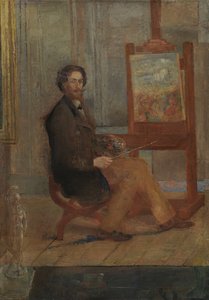
제임스 엔서
1860 - 1949 , 벨기에
주요 정보
- Artistic Movement Or Style: Expressionism 및 Surrealism
- Artists Who Influenced This Artist:
- 피터 브뤼겔 더 엘더
- 프란시스코 고야
- 윌스 스미스 휘슬러
- Date Of Birth: April 13, 1860
- Date Of Death: November 19, 1949
- Full Name: James Sidney Edouard Ensor
- Nationality: Belgian
- Notable Artworks:
- The Scandalized Masks
- Skeletons Fighting...
- Christ's Entry into Brussels
- Place Of Birth: Ostend, Belgium
관련 기사 더 보기

Watercolor Art Guide: Mastering Transparency and Light for Professional Hospitality Decor
Elevate hospitality interiors with our professional guide to watercolor art. Discover how transparency and light enhance hotel decor through expert selection of high-quality, custom reproductions and large-scale murals tailored for designers and procurement managers.


