


 실제 크기로 보기
 보내기
보내기 공유하기
공유하기
 상세 보기
상세 보기 가이드 보기

 이미지 다운로드
 유사 작품 더 보기
 X-레이
X-레이 슬라이드 쇼 보기
 통계 정보
통계 정보Children Washing

 상세 보기
상세 보기
지클레 / 아트 프린트
빠른 제작과 다양한 마감 옵션을 선택할 수 있는 박물관 수준의 지클레이 및 캔버스 프린트. ( 수작업 채색 복제본 주문하기 디지털 이미지 판매 채널로 전환)




P118B ₩10

P118H ₩10

P118W ₩10

P438Z ₩10

P508JH ₩12

P508YH ₩12

P805H ₩10

P805Z ₩10

P919BZ ₩10

P919G ₩10

P919XJ ₩10

P959ZH ₩10

P968JZ ₩12

W106C ₩8

W218G ₩10

W218JH ₩8

W218Y ₩10

W307PJ ₩10

W316G ₩10

W316PJ ₩8

W316Y ₩10

W398PJ ₩8

W4111J ₩10

W500HY ₩15

W500JH ₩15

W692G ₩12

W849H ₩8

W940BG ₩15

W953PJ ₩8




작품의 원본 비율을 그대로 유지하는 프리셋 사이즈 중에서 선택해 보세요.

액자나 벽면 크기에 맞춰 필요한 가로와 세로 길이를 입력해 주세요. 프린트는 원본 이미지보다 크게 제작할 수 없으며 오직 자르는 것만 가능하므로, 비율이 다른 사이즈를 선택할 경우 이미지의 일부가 잘려 나갈 수 있습니다. 인쇄 작업에 들어가기 전, 최종 확인을 위해 디지털 목업을 보내드립니다. 이 페이지에 표시된 이미지는 실제 잘리는 영역을 나타내지 않으며, 오직 목업을 통해서만 정확한 확인이 가능합니다.


 유리 옵션은 110cm 미만 크기에서만 선택 가능합니다.

Children Washing
지클레 / 아트 프린트
복제본 규격
-


총 결제 금액
₩ 86784
A Window into the Soul: Exploring James Ensor’s “Children Washing”
James Ensor’s “Children Washing,” completed in 1886, stands as a cornerstone of Belgian Expressionism and a testament to the artist's singular vision. More than just a depiction of two children engaged in morning ablutions—a seemingly simple domestic scene—the painting delves into profound psychological complexities and embodies Ensor’s characteristic preoccupation with unsettling imagery and emotional intensity.
Painted in oil on canvas, “Children Washing” immediately captivates viewers with its bold color palette dominated by yellows and muted greens. These hues aren't merely decorative; they contribute to the painting’s oppressive atmosphere, mirroring the anxieties of the era and reflecting Ensor’s masterful manipulation of tonal values.
Composition and Style: Distortion as Revelation
Ensor employs a deliberately distorted perspective—a technique prevalent in Expressionist art—to heighten the emotional impact. The figures are rendered with simplified forms, emphasizing their vulnerability and stripping away any semblance of idealized beauty. Notably, the mirror reflects the children’s faces, creating a disconcerting symmetry that underscores the painting's thematic concerns about identity and perception.
Comparing “Children Washing” to works by Walt Kuhn—another influential Expressionist artist known for his use of jarring color combinations and fractured compositions—reveals Ensor’s kinship with fellow innovators who sought to convey inner turmoil through visual representation. Like Kuhn's "Apple Basket," Ensor utilizes distortion not merely as stylistic flourish but as a conduit for expressing psychological unease.
Meaning Beyond the Surface: Symbolism and Interpretation
The painting’s interpretation remains open to debate among art historians, sparking discussions about its significance. Some argue that “Children Washing” represents an idealized portrayal of innocence—a fleeting moment of purity amidst the encroaching darkness of adulthood. Others contend that Ensor deliberately confronts viewers with uncomfortable truths about human nature, utilizing nudity as a symbol of vulnerability and exposing the anxieties inherent in confronting mortality.
Ensor’s stylistic choices resonate with broader artistic currents of his time, mirroring the influence of Vincent van Gogh—whose expressive brushstrokes and vibrant colors similarly aimed to capture emotional experience. The Expressionist movement's exploration of subjective feeling aligns perfectly with Ensor’s ambition to communicate profound psychological states through visual language.
A Legacy Preserved: Exploring Ensor’s Artistic Vision
To gain a deeper understanding of James Ensor and his artistic legacy, visitors can explore the Mu.ZEE museum in Ostend, Belgium—a repository of Belgian art spanning from 1830 onwards. This institution houses an impressive collection showcasing Ensor's oeuvre alongside other prominent artists of the period.
Furthermore, delving into the history of painting on Wikipedia offers valuable insights into the artistic context surrounding “Children Washing,” illuminating the broader intellectual and cultural landscape that shaped Ensor’s creative endeavors.
Finally, you can acquire a stunning hand-painted reproduction of “Children Washing” through AllPaintingsStore—allowing art enthusiasts to experience the beauty and emotional depth of this iconic masterpiece firsthand.
질의응답
"Children Washing은(는) 제임스 엔서의 예술적 여정 중 어느 시기에 해당하나요?"
제임스 엔서의 작품 활동 중 "Children Washing"은(는) Early Career 시기에 해당합니다. 이 시기는 작가의 다른 작품들과 비교해 보는 데 도움이 됩니다.
제임스 엔서의 "Children Washing"의 프린트 제품은 어디에서 구매할 수 있나요?
제임스 엔서의 "Children Washing"의 프린트를 구매하시려면, 해당 작품의 파인 아트 프린트 페이지에서 간단히 주문하실 수 있습니다: 코튼 캔버스 또는 아카이브용 캔버스지에 인쇄된 파인 아트 프린트.
주문하기 전에 제임스 엔서의 "Children Washing"를 미리 볼 수 있나요?
"Children Washing"의 미리보기 페이지에서는 주문 전 작품을 미리 확인할 수 있습니다.
관련 작품들


작가 소개
James Ensor: A Pioneer of Expressionism and Surrealism
James Sidney Edouard, Baron Ensor (Ostend, 13 April 1860 – 19 November 1949) was a Belgian painter and printmaker who stands as one of the most influential figures in the development of Expressionism and Surrealism. Born into an English father and Belgian mother amidst the vibrant atmosphere of Ostend’s annual Carnival—a formative experience that profoundly shaped his artistic vision—Ensor embarked on a lifelong journey to explore the darker recesses of human psychology and challenge conventional aesthetic standards.
Early Influences and Artistic Training
From a young age, Ensor demonstrated an innate talent for drawing and painting, nurtured by local instructors and fueled by an unwavering fascination with observation. His formative years were spent studying at the College of the Blessed Virgin in Ostend, where he honed his skills alongside fellow artists like Fernand Khnopff and Theo Van Rysselberghe—artists who would later become associated with the influential *Les XX* group.
The Shift Towards Grotesque Expressionism
Ensor’s artistic trajectory took a decisive turn in the late 1880s as he abandoned academic realism for a bold embrace of grotesque expressionism. Influenced by Rembrandt, Francisco Goya, and Japanese woodcuts—artists who championed emotional intensity and unsettling imagery—he began to populate his canvases with disturbing tableaux featuring skeletons battling over a hanged man, masks embodying hidden identities, and allegorical figures confronting existential anxieties.
Key Masterpieces and Recurring Themes
Among Ensor’s most celebrated works are *The Scandalized Masks* (1883), which captures the pervasive influence of disguise and social critique; *Skeletons Fighting over a Hanged Man* (1891), a haunting meditation on mortality and decay; and *Christ's Entry into Brussels* (1888–89)—a monumental painting that satirizes religious hypocrisy with unflinching boldness. Recurring throughout Ensor’s oeuvre are explorations of death, social injustice, psychological torment, and the boundless potential for imaginative distortion—themes that continue to resonate powerfully with audiences today.
A Legacy Beyond Style: Influence on Modern Art
James Ensor's uncompromising artistic vision irrevocably altered the course of modern art. Rejecting academic conventions and embracing subjective experience, he paved the way for subsequent generations of artists who dared to confront uncomfortable truths and challenge established norms. His pioneering use of grotesque imagery—coupled with his masterful manipulation of color and line—established a distinctive stylistic vocabulary that profoundly impacted Expressionist painters like Edvard Munch and Ernst Ludwig Kirchner—artists who similarly sought to convey inner turmoil and psychological complexity.
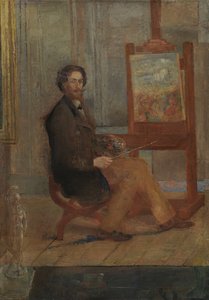
제임스 엔서
1860 - 1949 , 벨기에
작가 정보 요약
- Artistic Movement Or Style: Expressionism 및 Surrealism
- Artists Who Influenced This Artist:
- 피터 브뤼겔 더 엘더
- 프란시스코 고야
- 윌스 스미스 휘슬러
- Date Of Birth: April 13, 1860
- Date Of Death: November 19, 1949
- Full Name: James Sidney Edouard Ensor
- Nationality: Belgian
- Notable Artworks:
- The Scandalized Masks
- Skeletons Fighting...
- Christ's Entry into Brussels
- Place Of Birth: Ostend, Belgium
관련 기사

Oil on Canvas: The Professional Guide to Durable, High-Quality Art Reproductions for Hospitality and Large-Scale Interior Projects
A professional guide for hotel designers and procurement managers on selecting durable, high-quality oil on canvas reproductions. Learn about material longevity, custom multi-panel layouts, and efficient bulk ordering solutions for large-scale hospitality projects.


