


 실제 크기로 보기
 보내기
보내기 공유하기
공유하기
 상세 보기
상세 보기 가이드 보기

 이미지 다운로드
 유사 작품 더 보기
 X-레이
X-레이 슬라이드 쇼 보기
 통계 정보
통계 정보Les infames Vivisecteurs


 상세 보기
상세 보기
핸드메이드 유화 복제화
작가가 직접 캔버스에 손으로 그린 유화 작품으로, 원하는 크기와 액자로 맞춤 제작해 드립니다. ( 프린트 판매로 전환 디지털 이미지 판매 채널로 전환)




P118B ₩10

P118H ₩10

P118W ₩10

P438Z ₩10

P508JH ₩12

P508YH ₩12

P805H ₩10

P805Z ₩10

P919BZ ₩10

P919G ₩10

P919XJ ₩10

P959ZH ₩10

P968JZ ₩12

W106C ₩8

W218G ₩10

W218JH ₩8

W218Y ₩10

W307PJ ₩10

W316G ₩10

W316PJ ₩8

W316Y ₩10

W398PJ ₩8

W4111J ₩10

W500HY ₩15

W500JH ₩15

W692G ₩12

W849H ₩8

W940BG ₩15

W953PJ ₩8




작품의 원본 비율을 그대로 유지하는 프리셋 사이즈 중에서 선택해 보세요.

액자나 벽면 크기에 맞춰 필요한 가로와 세로 길이를 입력해 주세요. 본 작품은 수작업으로 제작되므로, 요청하신 비율에 따라 작가가 그림의 가장자리를 조금 더 넓게 그리거나 일부를 조정하여 작업할 수 있습니다. 작업 시작 전, 최종 확인을 위해 디지털 목업 이미지를 보내드립니다. 이 페이지에 표시된 이미지는 실제 결과물과 다를 수 있으며, 오직 목업 이미지만이 정확한 결과물을 보여줍니다.
주문 완료 후 AllPaintingsStore.com 팀에서 상세 안내를 위해 고객님께 이메일을 보내드리며, 미리보기 시안을 함께 제공해 드립니다.


 유리 옵션은 110cm 미만 크기에서만 선택 가능합니다.

Les infames Vivisecteurs
재현 매체
복제본 규격
-


총 결제 금액
₩ 352110
A Descent into Anatomical Horror
In the hauntingly visceral masterpiece “Les infames Vivisecteurs” (The Infamous Dissectors), James Ensor invites the viewer into a realm where science and nightmare collide. Created in 1897, this profound work confronts the spectator with the unsettling reality of human dissection—a practice that, during Ensor’s era, sat at the jagged edge of scientific progress and social taboo. The composition is anchored by a central figure whose face is rendered as a grotesque, skull-like visage, a sight that immediately strips away any sense of clinical detachment. Surrounded by assistants caught in the midst of gruesome procedures, the scene transcends mere anatomical study to become a profound meditation on mortality and the chilling dehumanization that can occur through detached, scientific observation.
The painting serves as a powerful window into the late 19th-century psyche, capturing the tension between the rationalism of the Victorian age and the burgeoning anxieties of a new century. As a key figure in the Symbolist movement, Ensor utilized this piece to explore psychological depths that academic realism simply could not reach. The work anticipates the existential dread of the early 20th century, reflecting a world grappling with rapid scientific advancement and the fear that such progress might come at the cost of our very humanity.
The Mastery of Texture and Shadow
Technically, Ensor’s execution is nothing short of masterful, utilizing oil on canvas to create a palpable sense of physical dread. He employs a heavy impasto technique, where thick, textured brushstrokes lend a fleshy, almost raw quality to the surgical scene. This tactile approach ensures that the horror of the act is not just seen, but felt by the viewer. The color palette is intentionally somber and oppressive, dominated by earthy browns, bruised reds, and sickly yellows. These muted tones work in harmony with Ensor’s jagged lines and distorted perspectives to create an atmosphere of profound psychological discomfort.
For the discerning collector or interior designer, this piece offers a commanding presence. The way light interacts with the raised paint creates a dynamic surface that changes with the viewing angle, making it a captivating focal point for any gallery-style collection. It is a work that demands attention, pulling the eye into its depths and refusing to let go.
Symbolism and the Mask of Death
Beyond its immediate shock value, “Les infames Vivisecteurs” is a labyrinth of symbolic meaning. The recurring motif of the skull-face serves as a memento mori, a stark reminder of the inevitability of decay and the fragility of life. Ensor, whose upbringing in a seaside souvenir shop filled with carnival masks deeply influenced his vision, uses the concept of the mask to explore the duality of identity—the thin veil between the living person and the skeletal truth beneath. Even the subtle inclusion of birds within the composition adds an unexpected layer of intrigue, perhaps acting as silent witnesses to the unfolding tragedy.
To possess a reproduction of this work is to hold a piece of art history that challenges the boundaries of the human experience. It is an ideal acquisition for those who appreciate art that provokes thought, stirs emotion, and serves as a conversation piece regarding the darker, more complex facets of our shared existence. Whether placed in a modern study or a classic salon, Ensor’s vision brings an unparalleled depth of character and intellectual weight to any space.
질의응답
제임스 엔서의 다른 이름이나 별칭에는 무엇이 있나요?
"Les infames Vivisecteurs"의 작가인 제임스 엔서의 다른 이름으로는 제임스 시드니 에노르, 바론 제임스 엔서 등이 있습니다.
제임스 엔서의 "Les infames Vivisecteurs"의 특징적인 기법과 화풍은 무엇인가요?
"Les infames Vivisecteurs"은(는) Oil On Canvas 기법을 사용하여 Expressionism 양식으로 제작되었습니다.
"Les infames Vivisecteurs"과(와) 유사한 작품이 더 있을까요?
제임스 엔서의 "Les infames Vivisecteurs"과(와) 유사한 작품들은 해당 작품의 유사한 작품 페이지에서 확인하실 수 있습니다.
관련 작품들


작가 소개
James Ensor: A Pioneer of Expressionism and Surrealism
James Sidney Edouard, Baron Ensor (Ostend, 13 April 1860 – 19 November 1949) was a Belgian painter and printmaker who stands as one of the most influential figures in the development of Expressionism and Surrealism. Born into an English father and Belgian mother amidst the vibrant atmosphere of Ostend’s annual Carnival—a formative experience that profoundly shaped his artistic vision—Ensor embarked on a lifelong journey to explore the darker recesses of human psychology and challenge conventional aesthetic standards.
Early Influences and Artistic Training
From a young age, Ensor demonstrated an innate talent for drawing and painting, nurtured by local instructors and fueled by an unwavering fascination with observation. His formative years were spent studying at the College of the Blessed Virgin in Ostend, where he honed his skills alongside fellow artists like Fernand Khnopff and Theo Van Rysselberghe—artists who would later become associated with the influential *Les XX* group.
The Shift Towards Grotesque Expressionism
Ensor’s artistic trajectory took a decisive turn in the late 1880s as he abandoned academic realism for a bold embrace of grotesque expressionism. Influenced by Rembrandt, Francisco Goya, and Japanese woodcuts—artists who championed emotional intensity and unsettling imagery—he began to populate his canvases with disturbing tableaux featuring skeletons battling over a hanged man, masks embodying hidden identities, and allegorical figures confronting existential anxieties.
Key Masterpieces and Recurring Themes
Among Ensor’s most celebrated works are *The Scandalized Masks* (1883), which captures the pervasive influence of disguise and social critique; *Skeletons Fighting over a Hanged Man* (1891), a haunting meditation on mortality and decay; and *Christ's Entry into Brussels* (1888–89)—a monumental painting that satirizes religious hypocrisy with unflinching boldness. Recurring throughout Ensor’s oeuvre are explorations of death, social injustice, psychological torment, and the boundless potential for imaginative distortion—themes that continue to resonate powerfully with audiences today.
A Legacy Beyond Style: Influence on Modern Art
James Ensor's uncompromising artistic vision irrevocably altered the course of modern art. Rejecting academic conventions and embracing subjective experience, he paved the way for subsequent generations of artists who dared to confront uncomfortable truths and challenge established norms. His pioneering use of grotesque imagery—coupled with his masterful manipulation of color and line—established a distinctive stylistic vocabulary that profoundly impacted Expressionist painters like Edvard Munch and Ernst Ludwig Kirchner—artists who similarly sought to convey inner turmoil and psychological complexity.
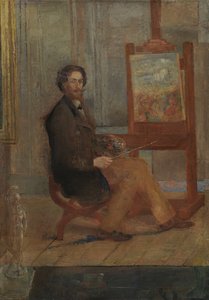
제임스 엔서
1860 - 1949 , 벨기에
작가 정보 요약
- Artistic Movement Or Style: Expressionism 및 Surrealism
- Artists Who Influenced This Artist:
- 피터 브뤼겔 더 엘더
- 프란시스코 고야
- 윌스 스미스 휘슬러
- Date Of Birth: April 13, 1860
- Date Of Death: November 19, 1949
- Full Name: James Sidney Edouard Ensor
- Nationality: Belgian
- Notable Artworks:
- The Scandalized Masks
- Skeletons Fighting...
- Christ's Entry into Brussels
- Place Of Birth: Ostend, Belgium
관련 기사

Mexican Muralism for Commercial Interiors: A Procurement Guide to Large-Scale Masterpiece Reproductions
Elevate commercial interiors with premium Mexican Muralism reproductions. Our guide for hotel designers covers large-scale Diego Rivera-style murals, custom sizing, and bulk procurement solutions for high-impact hospitality spaces. Reliable global shipping and professional art consultation.


