프린트 구매
 공유하기
공유하기 공유하기
공유하기
 상세 정보
상세 정보

 다운로드
다운로드
 유사 작품
유사 작품 슬라이드 쇼
Strange Insects


 더 보기
더 보기




































작품의 원본 비율을 유지하는 미리 설정된 크기 중에서 선택하세요.

특정 프레임이나 공간에 맞도록 직접 크기를 입력할 수 있습니다. 선택하신 크기가 원본 이미지의 비율과 일치하지 않는 경우, 작품을 자르거나 추가적인 손으로 그린 요소를 사용하여 그림을 확장합니다. 제작 시작 전 승인을 위해 디지털 목업을 보내드립니다.
화면 미리 보기는 실제 자르기 또는 확장을 반영하지 않습니다. 최종 구성은 목업을 통해서만 정확하게 확인하실 수 있습니다.
맞춤 크기 제작도 가능하지만, 원본 비율을 유지하기 위해 사전 정의된 목록에서 크기를 선택하시는 것을 권장합니다.
주문 후 AllPaintingsStore.com 팀에서 상세 안내를 위해 고객님께 이메일을 보내드리며, 미리보기 시안을 제공해 드립니다.


 유리 옵션은 110cm 미만 크기에서만 선택 가능합니다.

Strange Insects
재현 기법
복제본 크기
-


최종 결제 금액
$ 258
작품 상세 설명
James Ensor's 'Strange Insects': A Descent into the Uncanny
James Ensor’s ‘Strange Insects,’ created around 1920, stands as a profoundly unsettling testament to the artist’s lifelong preoccupation with the grotesque and the psychological. This monochrome drawing, depicting two figures – one conventionally dressed, the other disturbingly insect-like – plunges the viewer into a world of anxiety and distorted perception, hallmarks of Ensor's distinctive artistic vision. The image immediately evokes a sense of unease, fueled by the unsettling juxtaposition of human and non-human forms. It’s not merely a drawing; it’s an invitation to confront the darker aspects of the human condition, rendered with a masterful command of line and shadow.
- Subject Matter: The central figures represent a confrontation between the familiar and the alien. The woman in the dress embodies societal norms and perhaps even a fragile sense of order, while her companion – a towering, insect-like figure – represents primal fears, anxieties, and the potential for monstrous transformation.
- Style & Technique: Ensor’s style is characterized by its raw emotional intensity and deliberate distortion. The drawing employs thick, expressive lines, creating a sense of movement and agitation. The use of black and white amplifies the dramatic effect, stripping away any distractions and focusing attention on the unsettling forms.
A Brussels Workshop & the Seeds of Discontent
Ensor’s artistic journey was deeply rooted in his upbringing and experiences. Born in Ostend, Belgium, in 1860, to an English father and a Belgian mother, he navigated a world of cultural contrasts that would profoundly shape his work. His family's souvenir shop – a repository of carnival masks, shells, and other curiosities – served as a crucial source of inspiration, fostering his fascination with disguise, illusion, and the unsettling beauty of the macabre. This early exposure to theatricality and the exotic undoubtedly contributed to the recurring motifs of masks and monsters that populate his oeuvre. His initial resistance to the rigid academic training at the Académie Royale des Beaux-Arts in Brussels reflects a desire for artistic freedom and an unwillingness to conform to established conventions.
Symbolism & Theatrical Horror
'Strange Insects' is laden with symbolic weight, echoing Ensor’s broader thematic concerns. The insect figure can be interpreted as representing the subconscious, the repressed, or perhaps even societal anxieties about disease and decay. The bird in the upper left corner adds another layer of complexity – often associated with omens and warnings, it could symbolize impending doom or a distorted sense of freedom. Ensor frequently employed theatrical elements in his work, drawing inspiration from carnivals, circuses, and religious processions. This influence is evident in the dramatic composition and the heightened emotional intensity of ‘Strange Insects,’ creating an atmosphere akin to a nightmare vision.
Emotional Impact & Artistic Legacy
Ensor’s art continues to resonate with viewers today due to its unflinching exploration of human anxieties and its masterful manipulation of form and emotion. 'Strange Insects' is not a comfortable image; it demands engagement, provoking a visceral response rooted in fear and fascination. It exemplifies Ensor’s ability to translate psychological states into visual terms, creating works that are both deeply personal and universally relevant. As a hand-painted reproduction, this artwork offers an unparalleled opportunity to experience the full force of Ensor's vision – a chilling reminder of the darkness that resides within us all.
유사한 작품들


작가 약력
James Ensor: A Pioneer of Expressionism and Surrealism
James Sidney Edouard, Baron Ensor (Ostend, 13 April 1860 – 19 November 1949) was a Belgian painter and printmaker who stands as one of the most influential figures in the development of Expressionism and Surrealism. Born into an English father and Belgian mother amidst the vibrant atmosphere of Ostend’s annual Carnival—a formative experience that profoundly shaped his artistic vision—Ensor embarked on a lifelong journey to explore the darker recesses of human psychology and challenge conventional aesthetic standards.
Early Influences and Artistic Training
From a young age, Ensor demonstrated an innate talent for drawing and painting, nurtured by local instructors and fueled by an unwavering fascination with observation. His formative years were spent studying at the College of the Blessed Virgin in Ostend, where he honed his skills alongside fellow artists like Fernand Khnopff and Theo Van Rysselberghe—artists who would later become associated with the influential *Les XX* group.
The Shift Towards Grotesque Expressionism
Ensor’s artistic trajectory took a decisive turn in the late 1880s as he abandoned academic realism for a bold embrace of grotesque expressionism. Influenced by Rembrandt, Francisco Goya, and Japanese woodcuts—artists who championed emotional intensity and unsettling imagery—he began to populate his canvases with disturbing tableaux featuring skeletons battling over a hanged man, masks embodying hidden identities, and allegorical figures confronting existential anxieties.
Key Masterpieces and Recurring Themes
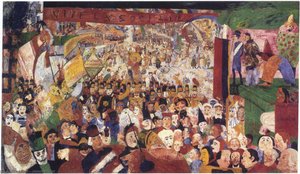
Among Ensor’s most celebrated works are *The Scandalized Masks* (1883), which captures the pervasive influence of disguise and social critique; *Skeletons Fighting over a Hanged Man* (1891), a haunting meditation on mortality and decay; and *Christ's Entry into Brussels* (1888–89)—a monumental painting that satirizes religious hypocrisy with unflinching boldness. Recurring throughout Ensor’s oeuvre are explorations of death, social injustice, psychological torment, and the boundless potential for imaginative distortion—themes that continue to resonate powerfully with audiences today.
A Legacy Beyond Style: Influence on Modern Art
James Ensor's uncompromising artistic vision irrevocably altered the course of modern art. Rejecting academic conventions and embracing subjective experience, he paved the way for subsequent generations of artists who dared to confront uncomfortable truths and challenge established norms. His pioneering use of grotesque imagery—coupled with his masterful manipulation of color and line—established a distinctive stylistic vocabulary that profoundly impacted Expressionist painters like Edvard Munch and Ernst Ludwig Kirchner—artists who similarly sought to convey inner turmoil and psychological complexity.
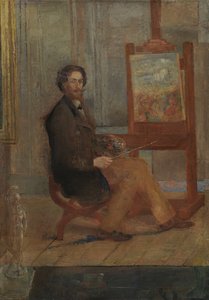
제임스 엔서
1860 - 1949 , 벨기에
주요 정보
- Artistic Movement Or Style: Expressionism 및 Surrealism
- Artists Who Influenced This Artist:
- 피터 브뤼겔 더 엘더
- 프란시스코 고야
- 윌스 스미스 휘슬러
- Date Of Birth: April 13, 1860
- Date Of Death: November 19, 1949
- Full Name: James Sidney Edouard Ensor
- Nationality: Belgian
- Notable Artworks:
- The Scandalized Masks
- Skeletons Fighting...
- Christ's Entry into Brussels
- Place Of Birth: Ostend, Belgium
관련 기사 더 보기

The Art of Emphasis: Scaling Artwork for Impactful Statement Walls
Elevate your interiors with impactful statement walls! Expert guide on scaling artwork for perfect proportions & design harmony. Custom solutions & free consultations at AllPaintingsStore.

맥스 어른스트 최고 걸작 25선: 꿈과 무의식의 화가, 공간에 예술을 더하다
맥스 어른스트 최고 걸작 25선을 만나보세요. 초현실주의 화가 어른스트의 꿈, 무의식, 혁신적인 기법이 담긴 명화들을 감상하고, 공간에 예술적 영감을 불어넣으세요. AllPaintingsStore.com에서 고품질 미술 작품을 컬렉션하세요.
Etching Masters: 10 Legendary Prints That Revolutionized Art | AllPaintingsStore
Journey through 10 legendary etching masterpieces by Rembrandt, Dürer & Goya. Explore the history of printmaking and discover timeless art for your home. Find museum-quality reproductions at AllPaintingsStore.com.

Surrealist Painting Masterpieces: 10 Artworks That Redefined Reality | AllPaintingsStore
Journey into the dreamlike world of Surrealism! Explore 10 masterpieces by Dali, Magritte & Miró that redefined art. Discover their stories & find museum-quality reproductions to elevate your home decor on AllPaintingsStore.com.

Transforming Spaces: A Comprehensive Exploration of Wall Decor Through Art History & Contemporary Practice
Explore the art of transforming spaces with our comprehensive guide to wall decor. From historical movements to contemporary trends, discover how to curate impactful interiors and commission bespoke artwork for a truly personalized aesthetic.