


 미리보기
미리보기
 공유하기
공유하기 공유하기
공유하기
 상세 정보
상세 정보 Guide
Guide

 다운로드
다운로드
 유사 작품
유사 작품 X-레이
X-레이 슬라이드 쇼
 통계 정보
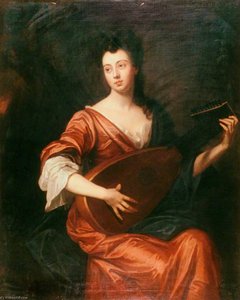
통계 정보Portrait of a young woman

 더 보기
더 보기
수제 유화 복제품
원하는 크기와 액자로 주문 제작되는, 작가들이 직접 캔버스에 손으로 그린 유화 작품입니다. ( 프린트 판매로 전환 디지털 이미지로 전환)




































작품의 원본 비율을 유지하는 미리 설정된 크기 중에서 선택하세요.

특정 프레임이나 공간에 맞도록 직접 크기를 입력할 수 있습니다. 선택하신 크기가 원본 이미지의 비율과 일치하지 않는 경우, 작품을 자르거나 추가적인 손으로 그린 요소를 사용하여 그림을 확장합니다. 제작 시작 전 승인을 위해 디지털 목업을 보내드립니다.
화면 미리 보기는 실제 자르기 또는 확장을 반영하지 않습니다. 최종 구성은 목업을 통해서만 정확하게 확인하실 수 있습니다.
맞춤 크기 제작도 가능하지만, 원본 비율을 유지하기 위해 사전 정의된 목록에서 크기를 선택하시는 것을 권장합니다.
주문 후 AllPaintingsStore.com 팀에서 상세 안내를 위해 고객님께 이메일을 보내드리며, 미리보기 시안을 제공해 드립니다.


 유리 옵션은 110cm 미만 크기에서만 선택 가능합니다.

Portrait of a young woman
재현 기법
복제본 크기
-


최종 결제 금액
$ 258
유사한 작품들




작가 약력
Jan Kupecky: The Eloquent Portraitist of Baroque Slovakia
Jan Kupecky (1667-1740), a name perhaps less familiar than some of his contemporaries, nevertheless stands as a significant figure in the history of Slovak and European art. Born in Pezinok, a town near Pressburg (Bratislava) in 1667, Kupecky’s life was one of constant movement and adaptation, shaped by religious upheaval and artistic ambition. His journey took him from the Czech Brethren roots of his family through Hungary, Vienna, Italy, and finally to Nuremberg, leaving behind a legacy of refined portraits that capture the elegance and social dynamics of the 18th century. Kupecky’s work is characterized by a masterful blend of realism and idealized beauty, reflecting both the Baroque traditions he embraced and his own distinctive artistic sensibility.Early Life and Artistic Training
Kupecký's origins were deeply intertwined with religious persecution. As a member of the Protestant Czech Brethren community, his family sought refuge in Royal Hungary from Catholic authorities. This early experience undoubtedly instilled within him a sense of resilience and perhaps a subtle awareness of social constraints – qualities that would later inform his portraits. His artistic training began under the tutelage of Benedict Klaus, a Swiss painter active in both Vienna and Hungary, providing him with a foundational understanding of Baroque techniques. Crucially, Kupecký’s ambition led him to Italy, where he spent approximately twenty years immersed in the vibrant art scene of Rome and Venice. This period proved transformative, exposing him to the innovations of Caravaggio, Reni, and other masters, influencing his dramatic use of light, composition, and psychological insight. He returned to Vienna in 1709, a seasoned artist ready to establish himself as a prominent portraitist within the Habsburg court.Vienna: Court Painter and Artistic Flourishing
Kupecký’s arrival in Vienna marked a period of intense artistic activity and considerable success. He quickly gained recognition for his ability to capture the personalities and social standing of his subjects – from members of the royal family, like Prince Eugene of Savoy, to wealthy aristocrats and prominent scholars. His portraits were not merely likenesses; they were carefully constructed narratives, revealing character through gesture, expression, and attire. The demand for his services was substantial, leading him to travel extensively throughout Central Europe, undertaking commissions in Hungary, Poland, and beyond. Notably, he even painted a portrait of Peter the Great, reflecting the international significance of Vienna as a cultural hub. Despite his success, Kupecký remained somewhat detached from Viennese society, maintaining a reserved demeanor and adhering to his Protestant faith – a characteristic that Füssli, a fellow artist, noted as setting him apart.Key Works and Artistic Style
Kupecky’s oeuvre is distinguished by several key elements. His portraits are characterized by a remarkable attention to detail, from the texture of fabrics to the subtle nuances of facial expression. He employed dramatic lighting techniques reminiscent of Caravaggio, creating strong contrasts between light and shadow that heightened the emotional impact of his compositions. His use of color was restrained yet sophisticated, favoring rich jewel tones and muted earth tones to create a sense of elegance and refinement. The artist’s family portraits are particularly noteworthy, offering intimate glimpses into the lives of his own kin – including his wife and son, depicted in “The Artist with his Wife and Son,” a work that exemplifies his ability to convey both familial affection and artistic skill. Other notable works include "Young Man with a Violin" and "Portrait of a Young Woman," showcasing his mastery of capturing youthful beauty and conveying inner character.Legacy and Historical Significance
Jan Kupecky’s influence extended far beyond his lifetime. His portraits were widely circulated through engravings, ensuring their accessibility to a broader audience. Bernhard Vogel produced numerous prints based on Kupecký's paintings, contributing significantly to the artist’s fame. Today, his works are housed in prestigious collections across Europe, including Bratislava City Gallery, which holds the most comprehensive collection of prints after his paintings. Kupecky represents a crucial link between the Baroque and Rococo periods, embodying the elegance and social consciousness that defined 18th-century portraiture. He stands as a testament to the artistic talent nurtured within Slovakia and a significant contributor to the rich tapestry of European art history. His legacy continues to be appreciated for his technical skill, psychological insight, and ability to capture the essence of his subjects – making him a truly remarkable artist.
jan kupecky
1667 - 1740 , Slovakia
주요 정보
- Artistic Movement Or Style: Baroque portraiture
- Artists Or Movements Influenced By This Artist:
- Caravaggio
- Reni
- Rembrandt
- Artists Who Influenced This Artist: ['Benedikt Klaus']
- Date Of Birth: 1667 Pezinok
- Date Of Death: 1740 Nuremberg
- Full Name: Jan Kupecký
- Nationality: Slovakian
- Notable Artworks:
- Self-portrait with Portrait of his Wife
- Young Man with a Violin
- Portrait of a young woman
- Place Of Birth: Pezinok, Slovakia
관련 기사 더 보기

바로크의 드라마: 현대 인테리어에 풍요로움과 감동을 불어넣기
바로크 예술의 풍요로운 세계를 탐험하고, 현대 인테리어에 감동을 불어넣는 방법을 AllPaintingsStore에서 만나보세요. 카라바조, 렘브란트 등 거장들의 작품과 키아로스쿠로 기법 활용 노하우를 공개합니다.

The Enduring Power of Painting: A Historical & Contemporary Exploration of Form and Emotion
Explore the rich history & enduring techniques of oil painting with AllPaintingsStore. Discover masterpieces, learn about art collecting, and find authentic handmade reproductions crafted by skilled artists.

The Enduring Legacy of Oil on Canvas: Technique, History & Aesthetic Impact
Explore the rich history & techniques of oil painting – from Renaissance masters to Impressionism. Discover pigments, layering methods, and why this timeless medium endures. Expert insights for artists & art enthusiasts.

The Dramatic Flourish: Exploring the Baroque Movement's Enduring Legacy in Art History
Explore the dramatic world of Baroque art! Discover iconic artists like Caravaggio & Rubens, defining techniques, and its lasting impact on art history. Expert insights for collectors & enthusiasts at AllPaintingsStore.

Oil on Canvas: A Historical & Technical Exploration of a Timeless Artistic Medium
Explore the rich history & enduring techniques of oil painting on canvas. Discover the science behind its longevity, conservation practices, and contemporary relevance. Expert insights for art enthusiasts.

