


 미리보기
미리보기
 공유하기
공유하기 공유하기
공유하기
 상세 정보
상세 정보 Guide
Guide

 다운로드
다운로드
 유사 작품
유사 작품 X-레이
X-레이 슬라이드 쇼
 통계 정보
통계 정보Académie d'homme


 더 보기
더 보기
수제 유화 복제품
원하는 크기와 액자로 주문 제작되는, 작가들이 직접 캔버스에 손으로 그린 유화 작품입니다. ( 프린트 판매로 전환 디지털 이미지로 전환)




P118B $10

P118H $10

P118W $10

P438Z $10

P508JH $12

P508YH $12

P805H $10

P805Z $10

P919BZ $10

P919G $10

P919XJ $10

P959ZH $10

P968JZ $12

W106C $8

W218G $10

W218JH $8

W218Y $10

W307PJ $10

W316G $10

W316PJ $8

W316Y $10

W398PJ $8

W4111J $10

W500HY $15

W500JH $15

W692G $12

W849H $8

W940BG $15

W953PJ $8




작품의 원본 비율을 유지하는 미리 설정된 크기 중에서 선택하세요.

특정 프레임이나 공간에 맞도록 직접 크기를 입력할 수 있습니다. 선택하신 크기가 원본 이미지의 비율과 일치하지 않는 경우, 작품을 자르거나 추가적인 손으로 그린 요소를 사용하여 그림을 확장합니다. 제작 시작 전 승인을 위해 디지털 목업을 보내드립니다.
화면 미리 보기는 실제 자르기 또는 확장을 반영하지 않습니다. 최종 구성은 목업을 통해서만 정확하게 확인하실 수 있습니다.
맞춤 크기 제작도 가능하지만, 원본 비율을 유지하기 위해 사전 정의된 목록에서 크기를 선택하시는 것을 권장합니다.
주문 후 AllPaintingsStore.com 팀에서 상세 안내를 위해 고객님께 이메일을 보내드리며, 미리보기 시안을 제공해 드립니다.


 유리 옵션은 110cm 미만 크기에서만 선택 가능합니다.

Académie d'homme
재현 기법
복제본 크기
-


최종 결제 금액
$ 258
A Study in Form: Jean-François Millet’s *Académie d'homme*
This captivating work by Jean-François Millet, titled *Académie d'homme*, offers a compelling glimpse into the artist’s mastery of anatomical study and his engagement with the academic traditions of 19th-century France. While celebrated for his poignant depictions of rural life, this piece reveals Millet’s foundational skills in representing the human form – a cornerstone of artistic training at the time.Subject & Composition
The painting presents a nude male figure rendered with striking dynamism. The subject isn't posed statically; instead, he is captured in a twisting, almost theatrical stance, emphasizing the interplay of muscle and bone. This isn’t merely a portrait but an *étude* – a dedicated exploration of anatomy and movement. The composition deliberately focuses on the figure, isolating him against a dark, undefined background which serves to amplify his presence and accentuate the contours of his body.Style & Technique: Barbizon Realism
Millet’s style here aligns with the principles of academic realism prevalent during his time, yet hints at the emerging sensibilities of the Barbizon School. While adhering to accurate anatomical representation, there's a palpable energy and immediacy that foreshadows Millet’s later focus on capturing authentic human experience. The technique is particularly noteworthy for its use of impasto – thick layers of paint applied with visible brushstrokes. This creates a rich texture, lending the figure a tactile quality and enhancing the dramatic interplay of light and shadow across his musculature.Historical Context & Artistic Lineage
Born into a farming family in Normandy, Millet (1814-1875) initially struggled to gain acceptance within the Parisian art establishment. He studied under established artists like Bon du Mouchel and Théophile Langlois de Chèvreville, absorbing classical principles before forging his own path with the Barbizon group. *Académie d'homme* likely dates from a period where Millet was honing these foundational skills – a necessary step for any aspiring artist of the era. It demonstrates his commitment to understanding the human form as a basis for his later, more celebrated works depicting peasant life.Symbolism & Emotional Resonance
Beyond its technical brilliance, *Académie d'homme* invites contemplation on broader themes. The figure’s pose and expression – a subtle blend of strength and vulnerability – can be interpreted in multiple ways. Is this a celebration of human physicality? A study of the body as both powerful and fragile? Or does the intensity of the pose hint at inner turmoil or even madness, as suggested by initial observations? The ambiguity adds depth to the work, prompting viewers to engage with it on an emotional level.For Collectors & Interior Designers
*Académie d'homme* is a compelling piece for those seeking artwork that blends classical technique with subtle emotional complexity. Its dramatic lighting and dynamic composition make it a striking focal point in any collection. For interior design, the painting’s dark palette and powerful form lend themselves well to sophisticated spaces – particularly studies, libraries, or dining rooms where a sense of gravitas is desired. A high-quality reproduction captures the texture and depth of Millet's brushwork, bringing the artist’s vision to life in any setting.- Style: Academic Realism, Barbizon School
- Medium: Oil on Canvas
- Themes: Anatomy, Human Form, Strength, Vulnerability, Study
유사한 작품들


작가 약력
흙의 삶: 장 프랑수아 밀레의 세계
장 프랑수아 밀레(Jean-François Millet, 1814년 10월 4일 – 1875년 1월 20일)는 19세기 프랑스 예술계에 깊은 흔적을 남긴 화가입니다. 그는 농촌의 삶과 노동하는 사람들의 모습을 진솔하게 그려내며 사실주의(Realism) 운동의 선구자 역할을 했습니다. 밀레의 그림들은 단순한 기록이 아닌, 인간의 존엄성과 자연과의 조화를 노래하는 시적인 작품들로 평가받고 있습니다. 그의 삶은 노르망디 지방 그루시(Gruchy)라는 작은 마을에서 농부의 아들로 태어나면서 시작되었습니다. 어린 시절부터 밭에서 일하며 자연과 함께 살아가는 경험은 밀레에게 깊은 영감을 주었고, 이는 그의 작품 전반에 걸쳐 나타나는 중요한 주제가 되었습니다. 정규 미술 교육을 받으며 재능을 키워나갔지만, 파리 아카데미의 권위적인 분위기와 형식주의적 그림 방식에 반발하며 자신만의 길을 개척하고자 했습니다.예술적 여정과 사실주의로의 전환
밀레는 처음에는 초상화를 그리며 생계를 유지했지만, 곧 자신의 진정한 예술적 소명을 깨닫게 됩니다. 그는 이상화된 풍경이나 신화 속 인물 대신, 농부들의 고된 노동과 일상적인 삶을 그리기 시작했습니다. 이러한 변화는 개인적인 비극 – 아내 폴린-위르진니 오노의 죽음 – 와 함께 사회에 대한 깊은 성찰에서 비롯되었습니다. 1848년 혁명 이후 밀레는 파리에서의 불안정한 생활을 떠나 바비종(Barbizon) 마을로 이주합니다. 이곳에서 그는 콘스탕트 트루용(Constant Troyon), 나르시스 디아즈(Narcisse Diaz), 샤를 자크(Charles Jacque), 테오도르 루소(Théodore Rousseau) 등과 함께 자연을 직접 관찰하며 그림을 그리는 ‘바비종 학파’의 중심 인물이 됩니다. 야외에서 작업하는 방식은 밀레에게 빛과 색채에 대한 새로운 이해를 가져다주었고, 그의 작품은 더욱 사실적이고 생동감 넘치는 표현으로 발전하게 되었습니다.노동의 서정시: 주제와 기법
밀레의 그림들은 농촌 사회의 현실을 가감 없이 보여주는 동시에, 노동하는 사람들의 삶에 대한 깊은 공감과 존경심을 담고 있습니다. 그는 단순한 노동 묘사를 넘어, 인간의 노력과 자연과의 조화 속에서 발견되는 아름다움을 표현하고자 했습니다. 대표작인 <만종>(The Gleaners)은 수확이 끝난 들판에서 남은 곡식을 거두는 여성들의 모습을 통해 가난하지만 묵묵히 살아가는 사람들의 강인함을 보여줍니다. <천사의 기도>(The Angelus)는 해질 무렵 농부 부부가 잠시 멈춰 기도하는 순간을 담아냈으며, 일상적인 행위를 신성한 의식으로 승화시키는 듯한 인상을 줍니다. <파종자>(The Sower)는 씨앗을 뿌리는 농부를 통해 자연의 순환과 인간의 희망을 상징적으로 표현하고 있습니다. 밀레는 네덜란드 화가들의 빛과 그림자의 활용 기법, 그리고 고대 조각의 균형미에서 영감을 받아 자신의 작품에 반영했습니다. 그는 제한된 색상 팔레트를 사용하면서도 흙의 질감과 자연의 풍경을 섬세하게 표현했으며, 여러 겹의 물감을 쌓아 올려 깊이 있는 화면을 만들어냈습니다.영원한 유산: 밀레의 영향과 역사적 의의
장 프랑수아 밀레는 1875년 바비종에서 세상을 떠났지만, 그의 작품은 예술계에 지대한 영향을 미쳤습니다. 그는 사실주의를 주도하며 아카데미 미술의 권위를 타파하고 인상주의와 사회적 현실주의 등 후대 사조에 영감을 제공했습니다. 밀레의 그림들은 평범한 사람들의 삶과 사회 문제에 대한 관심을 불러일으켰으며, 문학가, 시인, 사회 운동가들에게도 큰 영향을 미쳤습니다. 오늘날 그의 작품은 전 세계 미술관에서 전시되고 있으며, 여전히 많은 이들에게 감동과 영감을 선사하고 있습니다. 밀레의 그림들은 인간의 존엄성과 자연과의 조화라는 보편적인 가치를 담고 있어 시대를 초월하여 사랑받고 있습니다.주요 작품
- 만종(The Gleaners): 수확 후 남은 곡식을 거두는 여성들의 모습
- 천사의 기도(The Angelus): 농촌의 신앙심과 일상의 경건함
- 파종자(The Sower): 자연의 순환과 인간의 희망을 상징하는 작품
- 쟁기질하는 사람(Man with a Hoe): 육체 노동의 고된 현실과 인간의 인내
- 휴식을 취하는 농부들(Harvesters Resting): 수확 후 잠시 쉬는 농부들의 모습
- 빵을 굽는 여인(Woman Baking Bread): 가정 생활의 소중함과 여성의 역할
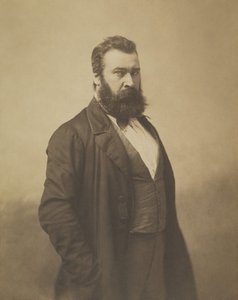
장 프랑수아 밀레
1814 - 1875 , 프랑스
주요 정보
- 국적: 프랑스
- 대표 작품:
- 구르는 여자들
- 천사의 전령
- 파종자
- 낫을 든 사람
- 사망일: 1875년 1월 20일
- 영향을 받은 예술 사조:
- 인상주의
- 사회적 사실주의
- 영향을 준 예술가:
- 네덜란드 화가
- 폴 들라로슈
- 예술 사조: 사실주의, 바비종파
- 전체 이름: 장 프랑수아 밀레
- 출생일: 1814년 10월 4일
- 출생지: 그루시, 프랑스
관련 기사 더 보기

The Barbizon School: A Professional Guide to Naturalism and Landscape Mastery for Interior Designers
Explore the Barbizon School's mastery of naturalism. An expert guide for hotel designers and procurement managers on sourcing high-quality landscape reproductions to elevate hospitality and corporate interiors with authentic, large-scale fine art solutions.


