


 미리보기
미리보기
 공유하기
공유하기 공유하기
공유하기
 상세 정보
상세 정보

 다운로드
다운로드
 유사 작품
유사 작품 X-레이
X-레이 슬라이드 쇼
Untitled
 1935
1935 61.0 x 46.0 cm
 더 보기
더 보기
지클레 / 아트 프린트
빠른 제작과 다양한 마감 옵션을 제공하는 박물관 품질의 지클레이 또는 캔버스 프린트. ( 손으로 그린 그림 구매 이미지 구매)




































작품의 원본 비율을 유지하는 미리 설정된 크기 중에서 선택하세요.

특정 프레임이나 공간에 맞춰 직접 치수를 입력하실 수 있습니다. 선택하신 사이즈가 원본 이미지의 비율과 일치하지 않을 경우, 작품을 크롭(자르기)하거나 이미지를 대칭 또는 단색 채우기로 확장하여 제작합니다. 제작 시작 전, 최종 확인을 위해 디지털 목업이 전송됩니다.
화면상의 미리보기는 실제 크롭이나 확장 상태를 반영하지 않으므로, 최종 구도는 오직 목업을 통해서만 정확하게 확인하실 수 있습니다.
맞춤 사이즈 제작도 가능하지만, 원본 비율을 유지하기 위해서는 사전 정의된 목록에서 치수를 선택하시는 것을 권장합니다.


 유리 옵션은 110cm 미만 크기에서만 선택 가능합니다.

Untitled
지클레 / 아트 프린트
복제본 크기
-


최종 결제 금액
$ 64
작품 상세 설명
John Opper: A Brief Overview
John Opper was an American painter born in 1908 in Chicago, Illinois. He is known for his transition from semi-abstract to fully abstract paintings in the late 1930s and 1950s. Opper's work is characterized by his handling of color and ability to create dramatic intensity on the picture plane. For more information on John Opper, visit /art/list/?Filter=AR2492-John-Opper-Untitled.The Painting: "Untitled"
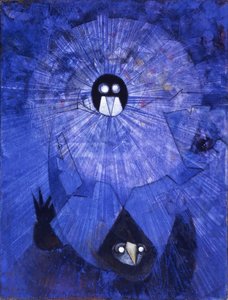
The Untitled painting features a colorful abstract artwork with a dining table at its center. The table is surrounded by various objects, including a bottle of wine, a cup, a bowl, and a vase. Two chairs are positioned on either side of the table, adding to the overall sense of balance and harmony. The red background of the painting adds to the vibrant atmosphere, making it a truly eye-catching piece.- Medium: Oil On Canvas
- Size: 61 x 46 cm
- Date: 1935
- Museum: Smithsonian American Art Museum
In conclusion, John Opper's Untitled is a remarkable piece of art that showcases the artist's unique style and technique. With its vibrant colors and abstract elements, this painting is sure to captivate audiences. For those interested in learning more about John Opper and his work, I recommend visiting https://AllPaintingsStore.com or checking out his profile on Wikipedia: https://en.wikipedia.org/wiki/John_Opper.
유사한 작품들




작가 약력
John Opper: Pioneer of Vibrant Color Fields
John Opper (1908–1994) stands as a significant figure in Abstract Expressionism, recognized for his distinctive approach to color and texture—bold, luminous fields that convey profound emotional intensity. Born in Philadelphia, Pennsylvania, Opper’s artistic journey began modestly, exploring semi-abstract landscapes before decisively embracing pure abstraction in the mid-1950s, marking a pivotal moment in American art history. He was a founding member of American Abstract Artists (AAA), cementing his place within a movement dedicated to liberating painting from representational constraints and prioritizing spontaneous gesture alongside chromatic exploration.Early Influences & Artistic Formation
Opper’s formative years were shaped by exposure to European avant-garde movements, particularly Surrealism and Cubism, which instilled in him an appreciation for visual experimentation and psychological depth. However, it was his encounter with the landscapes of Wyoming—captured during a solo expedition in 1937—that proved transformative. This experience ignited within him a fascination with color as a vehicle for conveying emotion and memory, influencing his subsequent artistic endeavors. The vastness and grandeur of the American West served as an inspiration for creating monumental canvases that pulsated with vibrant hues and energetic brushstrokes.The Shift to Abstract Expressionism & Color Field Painting
The late 1930s witnessed a gradual evolution in Opper’s stylistic sensibilities, culminating in his embrace of abstract expressionism. Rejecting traditional perspective and illusionistic techniques, he sought to express inner states directly through pigment—a method that aligns perfectly with the principles of color field painting. Artists like Mark Rothko and Barnett Newman championed similar approaches, prioritizing color as a primary means of communication and creating immersive visual experiences. Opper’s canvases are characterized by expansive areas of saturated color, often juxtaposed against darker backgrounds, generating palpable tension and conveying feelings of solitude and contemplation.Notable Works & Museum Collections
Opper's oeuvre includes iconic paintings such as “Farmyard,” “Wyoming,” and “Untitled,” each demonstrating his mastery of color and texture. These works are held in prominent museum collections across the United States, including the Smithsonian American Art Museum and Yale University Art Gallery, testifying to their enduring artistic merit and cultural significance. The monumental scale of these canvases underscores Opper’s ambition to engage viewers on a visceral level—to provoke emotional responses that transcend intellectual comprehension. His paintings invite contemplation and offer glimpses into the artist's inner world, reflecting his profound connection with nature and his unwavering commitment to expressive abstraction.Legacy & Historical Significance
John Opper’s contribution to Abstract Expressionism extends beyond his individual artworks; he helped establish AAA as a cornerstone of the movement, fostering dialogue and collaboration among artists dedicated to pushing the boundaries of artistic innovation. His pioneering use of color fields—a technique that profoundly impacted subsequent generations of painters—continues to inspire contemporary artists seeking new ways to communicate emotion and explore visual language. Opper’s legacy resides in his unwavering belief in the transformative power of art—his conviction that painting could serve as a conduit for accessing profound psychological truths and conveying universal human experiences. He remains an important figure in understanding the evolution of 20th-century American art and its enduring influence on artistic practice today.
john opper
1908 - 1994
주요 정보
- Artistic Movement Or Style: Abstract Expressionism
- Artists Or Movements Influenced By This Artist: ['Color Field Painting']
- Artists Who Influenced This Artist: ['Hans Hofmann']
- Date Of Birth: October 29, 1908
- Date Of Death: October 4, 1994
- Full Name: John Samuel Opper
- Nationality: American
- Notable Artworks:
- Untitled
- Farmyard
- Wyoming
- Place Of Birth: New York City, United States



