


 미리보기
미리보기
 공유하기
공유하기 공유하기
공유하기
 상세 정보
상세 정보

 다운로드
다운로드
 유사 작품
유사 작품 X-레이
X-레이 슬라이드 쇼
Application


 더 보기
더 보기
지클레 / 아트 프린트
빠른 제작과 다양한 마감 옵션을 제공하는 박물관 품질의 지클레이 또는 캔버스 프린트. ( 손으로 그린 그림 구매 이미지 구매)




































작품의 원본 비율을 유지하는 미리 설정된 크기 중에서 선택하세요.

특정 프레임이나 공간에 맞춰 직접 치수를 입력하실 수 있습니다. 선택하신 사이즈가 원본 이미지의 비율과 일치하지 않을 경우, 작품을 크롭(자르기)하거나 이미지를 대칭 또는 단색 채우기로 확장하여 제작합니다. 제작 시작 전, 최종 확인을 위해 디지털 목업이 전송됩니다.
화면상의 미리보기는 실제 크롭이나 확장 상태를 반영하지 않으므로, 최종 구도는 오직 목업을 통해서만 정확하게 확인하실 수 있습니다.
맞춤 사이즈 제작도 가능하지만, 원본 비율을 유지하기 위해서는 사전 정의된 목록에서 치수를 선택하시는 것을 권장합니다.


 유리 옵션은 110cm 미만 크기에서만 선택 가능합니다.

Application
지클레 / 아트 프린트
복제본 크기
-


최종 결제 금액
$ 64
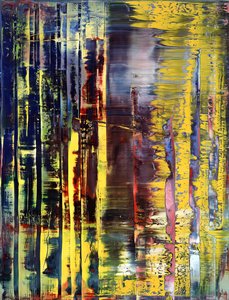
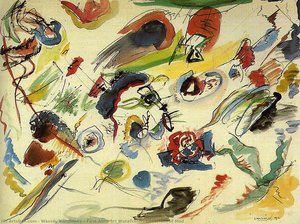

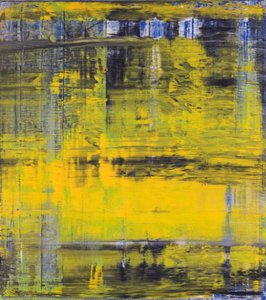


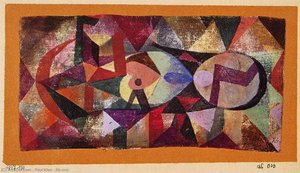


작가 약력
A Pioneer of Ukrainian Modernism: The Life and Legacy of Karlo Zvirynskyi
Karlo Iosypovych Zvirynskyi (1923–1997) stands as a pivotal figure in the landscape of 20th-century Ukrainian art, a leading voice of Western Ukrainian painting who navigated the complex currents of Soviet rule with unwavering artistic integrity. Born in the small village of Lavriv nestled within the Carpathian Mountains, Zvirynskyi’s journey was one of quiet rebellion and profound spiritual exploration, ultimately establishing him as a key exponent of abstract expressionism and a significant contributor to the Soviet nonconformist art movement. His life story is not merely that of an artist, but of a teacher, a hidden mentor who fostered generations of Ukrainian artists in defiance of ideological constraints.Early Life and Artistic Formation
Zvirynskyi’s formative years were steeped in the rich cultural traditions of his native Galicia. His father's work at the historic St. Onuphrius Monastery in Lavriv, a site dating back to the 13th century, profoundly influenced the young artist. The monastery’s impressive library—later tragically destroyed by Bolshevik forces—provided Zvirynskyi with an early exposure to literature and thought that would shape his worldview. While initially uninterested in painting, he enrolled in the German art and industrial school in Lviv during World War II, a period of upheaval and uncertainty. This led him to study under artists like Mykola Butovych and Volodymyr Balias, laying the groundwork for his future artistic endeavors. He continued his education at the Lviv Institute of Applied and Decorative Art, where he formed a crucial relationship with Roman Selskyi, who became a lifelong friend and mentor. However, Zvirynskyi’s studies were interrupted in 1949 when he was expelled for openly criticizing socialist realism—a testament to his early commitment to artistic freedom.The Underground Academy and the Spirit of Resistance
Despite facing official censure, Zvirynskyi continued to pursue his artistic vision. In 1953, he began teaching at the Lviv Institute of Decorative and Applied Arts, but it was outside the confines of formal education that his most significant impact occurred. He established an “underground academy” in 1959—a clandestine gathering place for students eager to explore modernist ideas forbidden by the Soviet regime. Held in secret after dark, these meetings became a haven for intellectual and artistic exchange, encompassing not only painting but also literature, music, history, and philosophy. This informal school fostered a generation of Ukrainian artists, including Ivan Marchuk, Oleh Minko, and Andriy Bokotey, who would later become prominent figures in their own right. The academy operated until 1966, after which Zvirynskyi continued to teach privately, ensuring the continuation of his unique pedagogical approach.Artistic Development and Major Themes
Zvirynskyi’s artistic style evolved through a series of explorations, beginning with colorful appliques and progressing towards “tactile abstraction” in cycles like “Verticals” and “Reliefs.” His work often delved into the realm of semiotic forms, exploring themes of memory and spirituality. The "Epitaphs" series exemplifies this period, showcasing his unique ability to convey complex ideas through abstract compositions. Throughout his career, Zvirynskyi remained deeply religious, a conviction that manifested in his later sacred paintings—including approximately 40 icons created for the Assumption Church in Lviv. His art was characterized by a deliberate rejection of socialist realism’s constraints, embracing instead the principles of Western modernism and a profound sense of individual expression. He sought to create works that resonated with universal human experiences, transcending political boundaries and ideological limitations.Historical Significance and Enduring Legacy
For decades, Karlo Zvirynskyi’s work remained largely hidden from the public eye due to the repressive nature of the Soviet regime. His first solo exhibition did not take place until 1995, just two years before his death—a poignant illustration of the challenges he faced throughout his career. However, since then, his art has gained increasing recognition as a vital contribution to Ukrainian and international modernism. Zvirynskyi’s legacy extends beyond his paintings; it lies in his role as a spiritual teacher and mentor who nurtured generations of artists during a period of profound political and cultural suppression. He is celebrated today as a pioneer of abstract art, a champion of artistic freedom, and a symbol of Ukrainian resistance against ideological conformity. His work continues to inspire and challenge viewers, offering a powerful testament to the enduring power of creativity in the face of adversity. His influence on the development of Ukrainian underground art remains immeasurable.
karlo zvirynskyi
1923 - 1997 , Ukraine
주요 정보
- Artistic Movement Or Style: Abstract art, Nonconformism
- Artists Or Movements Influenced By This Artist: Ukrainian Underground Art
- Artists Who Influenced This Artist: ['Roman Selskyi']
- Date Of Birth: August 14, 1923
- Date Of Death: October 8, 1997
- Full Name: Karlo Iosypovych Zvirynskyi
- Nationality: Ukrainian
- Notable Artworks:
- Assumption Church Icons
- Verticals series
- Reliefs series
- Epitaphs series
- Place Of Birth: Lviv, Ukraine


