


 미리보기
미리보기
 프린트 구매
 공유하기
공유하기 공유하기
공유하기
 상세 정보
상세 정보

 다운로드
다운로드
 유사 작품
유사 작품 X-레이
X-레이 슬라이드 쇼
Viewing a Waterfall
 Literati School
 1793
1793 129.0 x 56.0 cm
 더 보기
더 보기




































작품의 원본 비율을 유지하는 미리 설정된 크기 중에서 선택하세요.

특정 프레임이나 공간에 맞도록 직접 크기를 입력할 수 있습니다. 선택하신 크기가 원본 이미지의 비율과 일치하지 않는 경우, 작품을 자르거나 추가적인 손으로 그린 요소를 사용하여 그림을 확장합니다. 제작 시작 전 승인을 위해 디지털 목업을 보내드립니다.
화면 미리 보기는 실제 자르기 또는 확장을 반영하지 않습니다. 최종 구성은 목업을 통해서만 정확하게 확인하실 수 있습니다.
맞춤 크기 제작도 가능하지만, 원본 비율을 유지하기 위해 사전 정의된 목록에서 크기를 선택하시는 것을 권장합니다.
주문 후 AllPaintingsStore.com 팀에서 상세 안내를 위해 고객님께 이메일을 보내드리며, 미리보기 시안을 제공해 드립니다.


 유리 옵션은 110cm 미만 크기에서만 선택 가능합니다.

Viewing a Waterfall
재현 기법
복제본 크기
-


최종 결제 금액
$ 258
작품 상세 설명
유사한 작품들


작가 약력
Kushiro Unsen: A Vision of Tranquility Amidst Turbulent Times
Kushiro Unsen (釧雲泉, 1759 – 1811) stands as a singular figure in Japanese landscape painting, embodying the aesthetic ideals of Edo-period Japan—a period marked by social stratification, political intrigue, and burgeoning commercial activity. Unlike many artists of his era who sought patronage from powerful clans or focused on grand historical narratives, Unsen cultivated a deeply personal style rooted in Zen Buddhism and characterized by an unparalleled sensitivity to atmospheric conditions. Born in the vibrant port city of Nagasaki, Unsen’s early life was shaped by the unique atmosphere of Japan’s gateway to the world. Here, amidst the influx of foreign goods and ideas, he studied painting and Chinese alongside merchants visiting from the mainland, absorbing techniques that emphasized subtle tonal gradations and meticulous brushwork—a hallmark of Ming Dynasty landscape art.
Unsen’s artistic philosophy was profoundly anchored in his devotion to Zen Buddhism. He believed that true beauty resided in capturing the essence of nature—its impermanence and interconnectedness—rather than merely reproducing its outward appearance. This conviction fueled his relentless pursuit of achieving wu wei, or effortless action, mirroring the Buddhist ideal of aligning oneself with the natural flow of existence. His work often serves as a symbolic escape from the complexities of urban life, offering a window into a world of untouched grandeur and spiritual solitude. Through his eyes, a mountain was not just stone and earth, but a vessel for contemplation, and a waterfall was a rhythmic pulse of the universe itself.
The Mastery of Atmosphere and Technique
The distinctive style of Kushiro Unsen is instantly recognizable by its masterful use of atmospheric perspective. He possessed a rare ability to manipulate mist and haze to create an incredible sense of depth and luminosity within his compositions. His technique often involved a delicate layering process, where thin, ethereal washes of gray and pale earth tones were contrasted against sharp, angular strokes that defined rugged rock formations or ancient pine trees. This interplay between the soft and the structured allowed him to evoke a sense of space that felt both vast and intimately connected to the viewer.
In his most celebrated works, such as Viewing a Waterfall, Unsen utilizes a rapid, repetitive, and sometimes eccentric brushwork that draws inspiration from the Yuan-dynasty literati painters. This expressive approach allows the landscape to feel alive, as if the very air is moving across the paper. His ability to capture specific seasonal moods—such as the coolness of summer vines or the crispness of autumn air—demonstrates a technical precision that transcends mere imitation. By integrating original Chinese verse into his compositions, he further bridged the gap between visual art and literary expression, creating a multi-sensified experience for the scholar-observer.
Legacy and Historical Significance
As a late Edo period literati artist, Unsen’s significance lies in his ability to synthesize diverse influences into a cohesive, uniquely Japanese voice. While his foundations were built upon Chinese landscape traditions, his execution was deeply colored by the specific cultural nuances of his time and place. His travels throughout Japan allowed him to establish friendships with many famous intellectuals, further embedding his work within the scholarly circles of the era. His paintings, such as Lone Angler in Autumn, continue to resonate because they touch upon universal themes of solitude, nature, and the human spirit.
Today, the works of Kushiro Unsen are preserved in prestigious institutions like the Tokyo National Museum and The Metropolitan Museum of Art, serving as vital links to the artistic soul of the 18th and 19th centuries. His legacy is defined by:
- The Synthesis of Traditions: Successfully blending Chinese ink wash techniques with a Japanese Zen sensibility.
- Atmospheric Innovation: Pioneering the use of mist and light to create emotional depth in landscape painting.
- Literati Expression: Elevating the landscape genre through the integration of poetry and calligraphic mastery.

kushiro unsen
1759 - 1811 , Japan
주요 정보
- Artistic Movement Or Style: Landscape Painting
- Artists Or Movements Influenced By This Artist: ['Romanticism']
- Artists Who Influenced This Artist: ['Chinese Painters']
- Date Of Birth: 1759
- Full Name: Kushiro Unsen
- Nationality: Japanese
- Notable Artworks: ['The Moonlit Landscape']
- Place Of Birth: Nagasaki, Japan
관련 기사 더 보기

가츠시카 호쿠사이 최고 걸작 25선: 우키요에의 정수를 만나다 | AllPaintingsStore
가츠시카 호쿠사이의 최고 걸작 25선을 만나보세요. 우키요에, 대판화 기법과 후지산 풍경의 아름다움을 담은 명작들을 감상하고, AllPaintingsStore에서 고품질 아트 프린트와 인테리어 액자를 찾아보세요. 지금 바로 컬렉션을 탐험하세요!
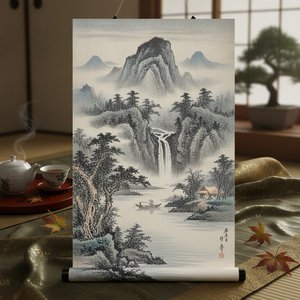
Serenity on Canvas: A Guide to the Timeless Beauty of Japanese Landscape Painting
Discover the serene beauty of Japanese landscape painting. From Hokusai's iconic woodblock prints to meditative sumi-e ink washes, explore a visual journey through the 'floating world' and learn how to bring this timeless Zen aesthetic into your modern home decor.
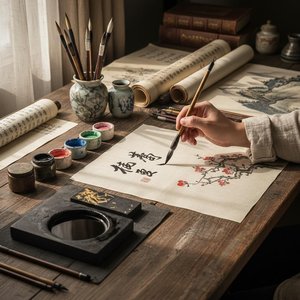
The Alchemy of Ink: Mastering the Timeless Beauty and Art History of Paper and Brush
Embark on a sophisticated exploration of ink wash painting and Sumi-e. Uncover the profound historical lineages, Zen philosophies, and technical mastery behind this timeless medium in our authoritative guide for fine art enthusiasts.

Beyond the Horizon: 10 Landscape Masterpieces for Your Home Decor
Journey through 10 breathtaking landscape paintings by Monet, Van Gogh & more! Explore iconic artworks, artistic techniques & find inspiration for your home decor. Museum-quality reproductions at AllPaintingsStore.com. Discover all masterpieces on AllPaintingsStore.com
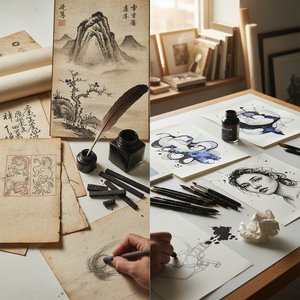
Ephemeral Expressions: Exploring the Nuances of Ink on Paper Through History & Contemporary Art
Explore the captivating world of ink wash painting – from its ancient origins to contemporary masters. Discover techniques, symbolism & conservation insights with AllPaintingsStore.com.



