


 실제 크기로 보기
 보내기
보내기 공유하기
공유하기
 상세 보기
상세 보기 가이드 보기

 이미지 다운로드
 유사 작품 더 보기
 X-레이
X-레이 슬라이드 쇼 보기
 통계 정보
통계 정보L bridge640

 상세 보기
상세 보기
지클레 / 아트 프린트
빠른 제작과 다양한 마감 옵션을 선택할 수 있는 박물관 수준의 지클레이 및 캔버스 프린트. ( 수작업 채색 복제본 주문하기 디지털 이미지 판매 채널로 전환)




P118B ₩10

P118H ₩10

P118W ₩10

P438Z ₩10

P508JH ₩12

P508YH ₩12

P805H ₩10

P805Z ₩10

P919BZ ₩10

P919G ₩10

P919XJ ₩10

P959ZH ₩10

P968JZ ₩12

W106C ₩8

W218G ₩10

W218JH ₩8

W218Y ₩10

W307PJ ₩10

W316G ₩10

W316PJ ₩8

W316Y ₩10

W398PJ ₩8

W4111J ₩10

W500HY ₩15

W500JH ₩15

W692G ₩12

W849H ₩8

W940BG ₩15

W953PJ ₩8




작품의 원본 비율을 그대로 유지하는 프리셋 사이즈 중에서 선택해 보세요.

액자나 벽면 크기에 맞춰 필요한 가로와 세로 길이를 입력해 주세요. 프린트는 원본 이미지보다 크게 제작할 수 없으며 오직 자르는 것만 가능하므로, 비율이 다른 사이즈를 선택할 경우 이미지의 일부가 잘려 나갈 수 있습니다. 인쇄 작업에 들어가기 전, 최종 확인을 위해 디지털 목업을 보내드립니다. 이 페이지에 표시된 이미지는 실제 잘리는 영역을 나타내지 않으며, 오직 목업을 통해서만 정확한 확인이 가능합니다.


 유리 옵션은 110cm 미만 크기에서만 선택 가능합니다.

L bridge640
지클레 / 아트 프린트
복제본 규격
-


총 결제 금액
₩ 86784
A Bridge Between Eras: Leonardo da Vinci’s Isometric Study
Leonardo da Vinci's “L bridge640,” a digitally rendered isometric projection of a simple wooden bridge, transcends its apparent minimalism to embody the spirit of Renaissance innovation. Created by Vebjørn Sand Da Vinci Project, this artwork isn’t merely an architectural rendering; it’s a testament to Da Vinci’s relentless pursuit of understanding and representation—a cornerstone of his broader artistic and scientific endeavors.
- Geometric Precision: The composition centers around the bridge itself, defined by straight lines and cubic shapes. This deliberate geometric structuring reflects Da Vinci's fascination with mathematical principles underpinning natural forms, mirroring advancements in perspective during this period.
- Material Fidelity: Textured surfaces simulate wood grain, grounding the image in tangible reality while simultaneously emphasizing Da Vinci’s meticulous attention to detail—a hallmark of his sculptural and painting practice. The stark white background serves as a neutral canvas, allowing the bridge's form and shading to dominate visual perception.
- Lighting & Shadow: Directional lighting casts strong shadows that sculpt the bridge’s contours, creating depth and enhancing its three-dimensional appearance. This masterful use of chiaroscuro—a technique perfected by Da Vinci—adds drama and communicates a sense of solidity and permanence.
Historical Context: Renaissance Ideals of Proportion & Observation
Da Vinci's “L bridge640” emerges from the fertile intellectual landscape of Florence during the High Renaissance, where artists sought to recapture classical ideals of beauty and harmony. Influenced by humanist thinkers like Pico della Mirandola, Da Vinci believed in observing nature with unwavering accuracy—a conviction that fueled his anatomical studies and drove him to dissect human bodies to understand their structure.
- Andrea del Verrocchio’s Influence: Leonardo honed his artistic skills under Andrea del Verrocchio, whose workshop championed realism and experimentation. Verrocchio's approach encouraged Da Vinci to push boundaries—to explore new techniques and challenge conventional representations of the world.
- The Pursuit of Ideal Form: The isometric projection itself represents a deliberate departure from traditional planar depictions, aligning with Renaissance artists’ desire to capture spatial illusion and convey a sense of grandeur.
Symbolism Beyond Structure: Stability & Transcendence
While seemingly straightforward, “L bridge640” carries subtle symbolic resonance. The bridge embodies the concept of connection—linking disparate elements into a unified whole—a metaphor for Da Vinci’s own intellectual journey and his ambition to synthesize knowledge from diverse fields.
- Da Vinci's Inventions: Consider Da Vinci’s visionary inventions – flying machines, armored vehicles – all striving to overcome limitations and achieve unprecedented levels of functionality. This spirit of innovation is subtly mirrored in the bridge’s structural integrity.
- Emotional Resonance: The image evokes a feeling of calm contemplation—a reflection of Da Vinci's profound appreciation for beauty and his belief that art could elevate the human spirit.
A Reproduction Worth Admiring
AllPaintingsStore’s high-quality reproductions capture the essence of Da Vinci’s “L bridge640,” allowing collectors and interior designers alike to experience its captivating form and masterful technique firsthand. Explore this remarkable artwork—a symbol of Renaissance brilliance—and bring a touch of timeless elegance into your space.
질의응답
"L bridge640"의 저작권 상태가 현재와 같은 이유는 무엇인가요?
레오나르도 다 빈치의 "L bridge640"은(는) 퍼블릭 도메인 - 저작권 보호 기간이 만료되었습니다 상태입니다. 저작권 보호 기간은 작가 사후를 기준으로 산정되며, 레오나르도 다 빈치은(는) 1519년에 작고하였습니다.
"L bridge640"을(를) 정의하는 팔레트와 주된 색상은 무엇인가요?
"L bridge640"은(는) White (#fcfcfb)이(가) 주를 이루는 Pastels 색조로 정의됩니다.
레오나르도 다 빈치의 "L bridge640"에 관한 통계 정보는 어디에서 확인할 수 있나요?
레오나르도 다 빈치의 "L bridge640"에 관한 통계 정보는 작품의 통계 페이지에서 확인하실 수 있습니다: 해당 작품의 월간 방문 횟수, 작가 작품의 방문 횟수, 그리고 최근 방문자의 국가 및 언어별 상세 현황을 제공합니다.
관련 작품들


작가 소개
레오나르도 다 빈치의 삶과 유산
1452년 이탈리아 토스카나의 작은 마을 빈치 근처에서 태어난 레오나르도 디 세로 피에로 다 빈치는 르네상스 시대에서 가장 보편적으로 인정받는 인물로 남아 있습니다. 그는 끝없는 호기심을 바탕으로 예술, 과학, 공학 등 여러 분야를 넘나들며 지울 수 없는 발자취를 남긴 진정한 박식가였습니다. 그의 이름 자체가 천재의 대명사가 된 것은 그의 놀라운 재능의 폭과 선구적인 사고력을 증명하는 것입니다. 공증인이었던 피에로 다 빈치와 농부였던 카테리나 사이에서 서자로 태어난 레오나르도의 유년 시절은 평범하지 않았으나, 오히려 그 덕분에 그는 실질적인 세상과 자연에 대한 깊은 통찰력을 동시에 얻을 수 있었고 이는 그의 예술적 비전을 형성하는 데 결정적인 역할을 했습니다. 읽기, 쓰기, 산술 등 기초 교육을 받았지만, 그의 창의적 불꽃을 진정으로 지핀 것은 피렌체에서 안드레아 댸 베로키오 밑에서 시작한 도제 수업이었습니다. 베로치오의 작업실에서 레오나르도는 단순히 그림이나 조각을 배우는 데 그치지 않고 금속 공예, 목공, 데생 등 기술적 숙련도를 쌓으며 예술적 창조의 복잡한 과정을 몸소 익혔습니다. 이러한 기초는 훗날 그의 다재다능한 천재성을 꽃피우는 토대가 되었습니다. 이 형성기 시절부터 이미 그의 탁월한 재능에 대한 소문이 자자했으며, 심지어 스승인 베로치오조차 레오나르도의 압도적인 실력을 목격한 후 붓을 놓았다는 일화가 전해질 정도였습니다.
밀라노 시대의 혁신과 예술적 번영
1482년, 레오나르도는 밀라노 공작 루도비코 스포르차의 궁정에 들어가 새로운 장을 열었습니다. 이는 단순한 예술가로서의 임용이 아니었습니다. 그는 군사 엔지니어, 건축가, 조각가, 그리고 무대 디자이너로서 활약하며 자신의 다채로운 능력을 유감없이 발휘했습니다. 혁신적인 요새를 설계하고 화려한 궁정 행사를 위한 무대를 연출했으며, 심지어 상상 속의 기계 장치들을 스케치하기도 했습니다. 그러나 이 시기에 그는 그의 가장 상징적인 걸작 중 하나인 최후의 만찬 작업을 시작했습니다. 산타 마리아 델레 그라지에 수도원의 식당 벽면에 프레스코화로 그려진 이 작품은 단순한 종교적 재현을 넘어, 그리스도가 배신을 예고하는 바로 그 순간의 인간적 감정과 심리적 드라마를 깊이 있게 탐구합니다. 당대로서는 매우 혁신적이었던 구도와 숙련된 원근법의 사용은 향후 수 세기 동안 서양 미술사에 지대한 영향을 미쳤습니다. 비록 밀라노 시대에 많은 조각 프로젝트들이 미완성으로 남기도 했지만, 그의 발명가적 정신은 계속해서 번창하며 미래의 과학적 탐구를 위한 초석을 다졌습니다.
피렌체 귀환과 완벽을 향한 여정
1499년 프랑스의 밀라노 침공 이후, 레오나르도는 예술적 발전이 정점에 달했던 피렌체로 돌아왔습니다. 이 시기에 완성된 작품의 수는 상대적으로 적었지만, 그 영향력은 가히 압도적이었습니다. 바로 이곳에서 그는 세계에서 가장 유명한 그림 중 하나인 모나리자 (라 조콘다) 작업을 시작했습니다. 대상의 신비로운 미소와 매혹적인 시선은 세대를 넘어 관람객을 사로잡았으며, 빛과 그림자를 미묘하게 섞어 경계선을 흐릿하게 만들고 대기 원근법을 구현한 레오나르도의 혁신적인 *스푸마토* 기법은 이 작품에 천상적인 분위기를 부여하는 데 결정적인 역할을 했습니다. 또한 이 시기에는 인체를 과학적 정밀함으로 이해하려는 굽히지 않는 열망에 따라 해부학 연구도 계속해서 심화되었습니다. 그는 시신을 해부하며 근육, 뼈, 장기를 세밀하게 기록했는데, 그 정교한 드로잉들은 시대를 수백 년 앞서간 것이었습니다.
예술을 넘어선 유산: 과학, 발명, 그리고 영원한 영향력
레오나 перечис된 말년은 피렌체, 밀라노, 로마를 오가는 여정으로 점철되었습니다. 그는 언제나 전문가로서의 가치를 인정받으며 요청받았으나, 그의 끊임없는 지적 호기심과 방대한 관심사 탓에 많은 프로젝트가 미완성으로 남기도 했습니다. 1516년, 그는 프랑스 국왕 프랑수아 1세의 초청을 받아 프랑스 암보아즈 근처의 클로 루세 성에서 머물며 생애 마지막을 보냈습니다. 1519년 그가 세상을 떠났을 때, 그가 남긴 유산은 예술의 영역을 훨씬 넘어선 방대한 것이었습니다. 그의 노트에는 해부학, 광학, 수리학, 지질학, 지도 제작학 분야의 선구적인 연구들이 담겨 있으며, 비행 기계, 탱크, 첨단 무기 등 시대를 수백 년 앞서간 발명품들에 대한 구상이 기록되어 있습니다. 레오나르도 다 빈치가 미술사에 남긴 영향은 헤아릴 수 없을 정도입니다. 그는 예술가의 지위를 숙련된 장인에서 지적인 인물로 격상시켰으며, 예술적 창조가 과학적 탐구와 자연 세계에 대한 깊은 이해를 통해 완성될 수 있음을 증명했습니다. 그의 회화는 사실주의, 심리적 깊이, 그리고 혁신적인 기법으로 찬사를 받습니다. 그는 인간의 호기심과 창의성, 그리고 지식을 향한 끊임없는 탐구의 상징으로 남아 있으며, 그가 남긴 유산은 사후 수 세기가 지난 지금까지도 우리에게 경외감과 매혹을 선사하고 있습니다.
주요 업적 및 영원한 영향력
- 회화: 모나리자, 최후의 만찬, 암굴의 성모, 수태고지
- 데생 및 스케치: 광범위한 해부학 연구, 공학 설계(비행 기계, 무기), 식물 세밀화
- 과학 및 공학: 해부학, 광학, 수리학, 지질학, 지도 제작학 분야의 선구적 업적. 시대를 수백 년 앞서간 발명품 구상.
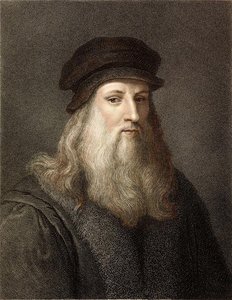
레오나르도 다 빈치
1452 - 1519 , 이탈리아
작가 정보 요약
- 국적: 이탈리아인
- 영향을 받은 예술 사조: ['르네상스 미술']
- 영향을 준 예술가: ['안드레아 델 베로치오']
- 예술 사조: 고대 르네상스
- 전체 이름: 레오나르도 다 빈치
- 주요 작품:
- 모나리자
- 최후의 만찬
- 비트루비우스 인간
- 출생일: 1452년 4월 15일
관련 기사

Monetize Your Digital Vision: The Professional Guide to Global Image Licensing on AllPaintingsStore
Unlock your creative potential with AllPaintingsStore’s global digital licensing revolution. Learn how to transform your digital artistry into a sustainable revenue stream through professional image licensing and intellectual property management in the new digital renaissance.


