


 미리보기
미리보기
 공유하기
공유하기 공유하기
공유하기
 상세 정보
상세 정보

 다운로드
다운로드
 유사 작품
유사 작품 X-레이
X-레이 슬라이드 쇼
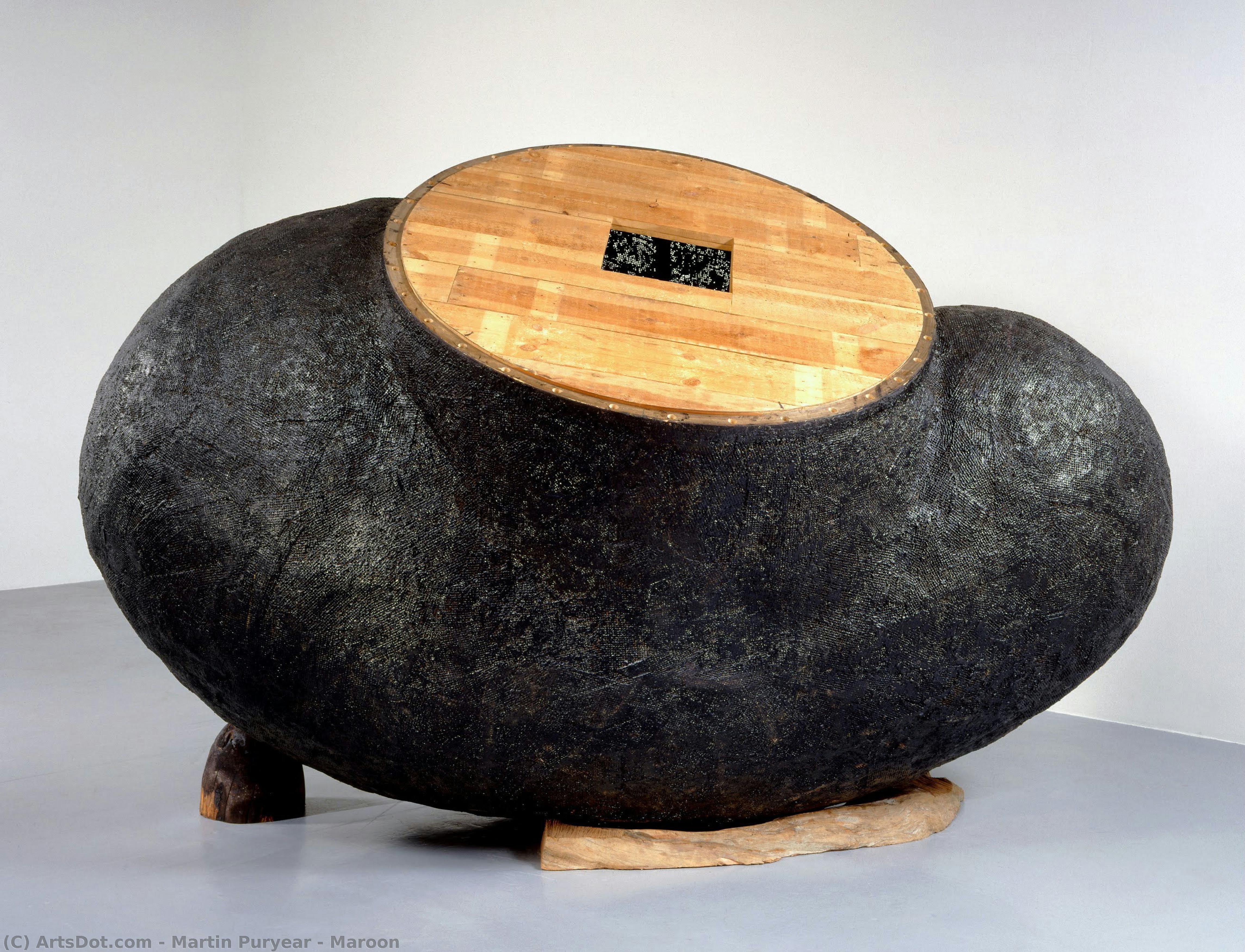
Maroon
 1987
1987 193.0 x 304.0 cm
 더 보기
더 보기
지클레 / 아트 프린트
빠른 제작과 다양한 마감 옵션을 제공하는 박물관 품질의 지클레이 또는 캔버스 프린트. ( 손으로 그린 그림 구매 이미지 구매)




































작품의 원본 비율을 유지하는 미리 설정된 크기 중에서 선택하세요.

특정 프레임이나 공간에 맞춰 직접 치수를 입력하실 수 있습니다. 선택하신 사이즈가 원본 이미지의 비율과 일치하지 않을 경우, 작품을 크롭(자르기)하거나 이미지를 대칭 또는 단색 채우기로 확장하여 제작합니다. 제작 시작 전, 최종 확인을 위해 디지털 목업이 전송됩니다.
화면상의 미리보기는 실제 크롭이나 확장 상태를 반영하지 않으므로, 최종 구도는 오직 목업을 통해서만 정확하게 확인하실 수 있습니다.
맞춤 사이즈 제작도 가능하지만, 원본 비율을 유지하기 위해서는 사전 정의된 목록에서 치수를 선택하시는 것을 권장합니다.


 유리 옵션은 110cm 미만 크기에서만 선택 가능합니다.

Maroon
지클레 / 아트 프린트
복제본 크기
-


최종 결제 금액
$ 64
유사한 작품들


작가 약력
Martin Puryear: A Sculptor of Tradition and Poetic Form
Born in Washington, D.C., in 1941, Martin Puryear’s artistic journey is a testament to the enduring power of traditional craft combined with a deeply contemplative approach to materials. From his early explorations of woodworking – crafting tools, boats, and musical instruments as a youth – to his current status as a celebrated figure representing the United States at the Venice Biennale, Puryear has consistently pushed the boundaries of sculpture while honoring its rich heritage. His work isn’t merely about form; it's an investigation into the inherent poetry within wood and bronze, a dialogue between the maker, the material, and the viewer.
Puryear’s formative years were shaped by experiences that profoundly influenced his artistic vision. A two-year stint as a Peace Corps volunteer in Sierra Leone during the mid-1960s proved pivotal. Immersed in the local woodworking traditions of West Africa, he learned techniques passed down through generations and gained a profound respect for the tactile nature of materials – a connection that would later become central to his own practice. This exposure ignited a passion for craftsmanship and instilled a desire to create works imbued with both technical skill and soulful resonance.
Early Training and Artistic Evolution
Following his undergraduate studies at the Catholic University of America, Puryear pursued further artistic development in Europe. He spent two years studying printmaking at the Royal Swedish Academy of Arts in Stockholm, a period that exposed him to European avant-garde movements while simultaneously reinforcing his commitment to traditional techniques. Returning to the United States, he enrolled in the graduate program for sculpture at Yale University, where he encountered Minimalism – a movement he ultimately rejected as being too impersonal and formalistic. Puryear sought instead to imbue his work with narrative depth and emotional complexity.
His early sculptural explorations were marked by experimentation with various media, including wood, bronze, and eventually, large-scale outdoor installations. The devastating fire that destroyed his Brooklyn studio in 1977 served as a catalyst for a period of significant change. Forced to relocate to Chicago, Puryear began teaching at the University of Illinois, solidifying his position within the American art landscape. This relocation coincided with a renewed focus on reductive techniques – a process of carefully removing material to reveal the inherent form within the block or piece of wood.
Reductive Technique and Poetic Symbolism
At the heart of Puryear’s artistic practice lies his distinctive reductive technique. He begins with large, often irregular blocks of wood or bronze, patiently carving away excess material to reveal a carefully considered form. This process is not simply subtractive; it's a meditative act of discovery, a dialogue between the artist and the inherent potential within the raw material. His sculptures frequently evoke historical references – ship forms, architectural fragments, and ancient symbols – but they are never literal reproductions. Instead, Puryear uses these motifs as starting points for exploring themes of identity, ritual, and the passage of time.
The resulting works possess a remarkable sense of balance and quiet dignity. They invite contemplation, prompting viewers to consider not only their physical presence but also the stories embedded within their construction. Puryear’s sculptures are often described as “inevitable,” reflecting his belief that each piece emerges organically from the process of making – a testament to the artist's skill and sensitivity.
Recognition and Legacy
Throughout his career, Puryear has received numerous accolades recognizing his contributions to American art. In 1989, he was awarded the MacArthur Fellowship (a “genius” grant), solidifying his reputation as a leading figure in contemporary sculpture. He also received the Gold Medal in Sculpture from the American Academy of Arts and Letters in 2007, and most recently, the National Medal of Arts in 2015. His work has been exhibited extensively both nationally and internationally, including representation at the Venice Biennale in 2019 – a significant honor that underscores his global impact.
Currently residing in the Hudson Valley of New York, Puryear continues to create works that reflect his lifelong dedication to craft and his profound engagement with the physical and poetic possibilities of wood and bronze. His sculptures stand as enduring monuments to the power of tradition, innovation, and a deeply considered artistic vision.

Martin Puryear
1941 -
주요 정보
- Artistic Movement Or Style: Reductive sculpture
- Artists Or Movements Influenced By This Artist: ['Contemporary Sculpture']
- Artists Who Influenced This Artist:
- Minimalism
- Formalist sculpture
- Date Of Birth: 1941
- Full Name: Martin L. Puryear
- Nationality: American
- Notable Artworks:
- Liberty/Libertà
- Lookout
- Place Of Birth: Washington, D.C., USA


