


 미리보기
미리보기
 공유하기
공유하기 공유하기
공유하기
 상세 정보
상세 정보 Guide
Guide

 다운로드
다운로드
 유사 작품
유사 작품 X-레이
X-레이 슬라이드 쇼
 통계 정보
통계 정보Ritratto di Maria Giovanna Battista
 Acrylic On Canvas
- WallArt
- Impressionist Divisionism
 1700
1700 117.0 x 202.0 cm
 베네리아 궁전
 더 보기
더 보기
수제 유화 복제품
원하는 크기와 액자로 주문 제작되는, 작가들이 직접 캔버스에 손으로 그린 유화 작품입니다. ( 프린트 판매로 전환 디지털 이미지로 전환)




P118B $10

P118H $10

P118W $10

P438Z $10

P508JH $12

P508YH $12

P805H $10

P805Z $10

P919BZ $10

P919G $10

P919XJ $10

P959ZH $10

P968JZ $12

W106C $8

W218G $10

W218JH $8

W218Y $10

W307PJ $10

W316G $10

W316PJ $8

W316Y $10

W398PJ $8

W4111J $10

W500HY $15

W500JH $15

W692G $12

W849H $8

W940BG $15

W953PJ $8




작품의 원본 비율을 유지하는 미리 설정된 크기 중에서 선택하세요.

특정 프레임이나 공간에 맞도록 직접 크기를 입력할 수 있습니다. 선택하신 크기가 원본 이미지의 비율과 일치하지 않는 경우, 작품을 자르거나 추가적인 손으로 그린 요소를 사용하여 그림을 확장합니다. 제작 시작 전 승인을 위해 디지털 목업을 보내드립니다.
화면 미리 보기는 실제 자르기 또는 확장을 반영하지 않습니다. 최종 구성은 목업을 통해서만 정확하게 확인하실 수 있습니다.
맞춤 크기 제작도 가능하지만, 원본 비율을 유지하기 위해 사전 정의된 목록에서 크기를 선택하시는 것을 권장합니다.
주문 후 AllPaintingsStore.com 팀에서 상세 안내를 위해 고객님께 이메일을 보내드리며, 미리보기 시안을 제공해 드립니다.


 유리 옵션은 110cm 미만 크기에서만 선택 가능합니다.

Ritratto di Maria Giovanna Battista
재현 기법
복제본 크기
-


최종 결제 금액
$ 258
Massimo Taparelli d’Azeglio: A Pioneer of Italian Liberalism and Artistic Vision
Massimo Taparelli d’Azeglio stands as an extraordinary figure in the annals of 19th-century Italy—a testament to intellectual curiosity, political engagement, and a singular blend of artistic talent. He wasn't merely a statesman navigating turbulent times; he was a novelist who wrestled with moral dilemmas and a painter whose canvases captured the sublime beauty of the Piedmontese landscape, reflecting his profound belief in the transformative power of art and reason. His life spanned pivotal moments in Italian unification, witnessing firsthand the struggles for liberty against autocratic rule—experiences that indelibly shaped his worldview and fueled his creative endeavors.- Early Life & Artistic Awakening: Born into a noble family in Turin in 1798, Taparelli defied societal expectations by pursuing painting alongside his political ambitions. Influenced by Romantic ideals and mentored by Martin Verstappen, he immersed himself in the artistic milieu of Rome, producing evocative landscapes that foreshadowed the burgeoning Impressionist movement.
- Political Engagement & Literary Voice: His involvement in Italian politics began with a commission in the Sardinian cavalry—a decision that would ultimately lead him to abandon military service for the pursuit of literature. He penned influential novels like Niccolò dei Lapi and Ettore Fieramosca, skillfully employing historical narratives to champion liberal principles and ignite national sentiment.
- Prime Minister & Constitutional Reform: Taparelli ascended to the premiership of Sardinia in 1845, marking a crucial juncture in Italian history. Recognizing the necessity for constitutional governance—a concept championed by Victor Emmanuel II—he tirelessly advocated for reforms that solidified Piedmont’s position as a beacon of liberal democracy.
- The Roman Question & Artistic Legacy: His unwavering commitment to papal reconciliation during the Austro-Prussian War demonstrated his humanist convictions and underscored his belief in dialogue and compromise. Yet, it was his artistic output—particularly his landscapes—that cemented his enduring legacy. These paintings embody a harmonious blend of observation and emotion, capturing the grandeur of the Alpine scenery with meticulous detail while conveying a palpable sense of tranquility and contemplation.
The Style & Technique of Taparelli’s Landscapes
Taparelli's artistic style was deeply rooted in Romanticism but subtly anticipates Impressionist innovations. He favored Divisionism—a technique pioneered by Giovanni Segantini—which involved applying paint in tiny, independent strokes to create shimmering surfaces that mimicked the effects of natural light. This meticulous approach demanded painstaking observation and a profound understanding of color theory, resulting in canvases imbued with luminosity and atmospheric depth. His palette was dominated by muted tones—greens, blues, browns—reflecting the subdued hues of the Piedmontese mountains—a deliberate choice intended to evoke feelings of serenity and grandeur.- Divisionism: Taparelli meticulously analyzed the way light interacted with surfaces, applying paint in minuscule strokes that blended optically rather than physically.
- Color Harmony: He skillfully utilized complementary colors—such as blue and orange—to heighten visual impact and convey emotional resonance.
- Atmospheric Perspective: Taparelli achieved remarkable realism by depicting distant landscapes with hazy tones, simulating the effects of atmospheric diffusion and creating a sense of depth.
Symbolism & Emotional Resonance
Beyond mere representation, Taparelli’s paintings communicated profound philosophical ideas—primarily derived from Thomas Aquinas—regarding human nature and social order. His landscapes served as metaphors for spiritual contemplation—inviting viewers to contemplate the sublime beauty of creation and to recognize its inherent moral significance. The stillness of his compositions conveyed a sense of inner peace—a testament to Taparelli’s belief in the transformative power of art to elevate the human spirit.- Alpine Landscapes: The rugged peaks and verdant valleys of the Piedmontese Alps symbolized resilience, nobility, and the enduring harmony between humanity and nature.
- Light & Shadow: Taparelli skillfully employed chiaroscuro—the interplay of light and shadow—to heighten dramatic tension and to convey emotional depth.
- Quiet Contemplation: His paintings encouraged viewers to pause and reflect on the grandeur of existence—affirming the importance of spiritual awareness in shaping human experience.
A Lasting Impression
Massimo Taparelli d’Azeglio's artistic vision—coupled with his unwavering dedication to political reform—established him as a pivotal figure in Italian intellectual history. His landscapes continue to inspire admiration for their technical brilliance and emotional sincerity—a testament to his ability to capture the essence of beauty while simultaneously conveying profound philosophical insights. Reproductions of his paintings offer an opportunity to experience firsthand the sublime grandeur of the Piedmontese Alps and to contemplate the enduring legacy of a humanist artist who championed liberty, reason, and the transformative power of art.유사한 작품들

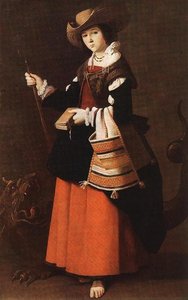


작가 약력
마시모 타파렐리 다제글리오: 정치가, 문학가, 그리고 예술가의 삶
- 출생: 이탈리아 토리노 (1798년)
- 사망: 1866년
마시모 다제글리오라는 이름으로 더 잘 알려진 마시모 타파렐리 다제글리오는 19세기 이탈리아를 상징하는 경이로운 인물이었습니다. 그는 피에몬테-이탈리아의 정치가이자 소설가, 그리고 화가로서 당대의 복잡한 시대정신을 온몸으로 구현해냈습니다. 나폴레옹 시대부터 이탈리아 통일기에 이르기까지, 그의 삶은 거대한 정치적 격변의 물결을 관통하며 여러 분야에서의 헌신을 통해 이탈리아 역사에 지워지지 않을 깊은 발자취를 남겼습니다.
초기 생애와 예술적 탐구
1798년 토리노의 귀족적인 피에몬테 가문에서 태어난 마시모 다제글리오의 유년기는 귀족적 특권과 싹트기 시작한 예술적 감수성 사이에서 형성되었습니다. 짧은 군 복무를 마친 후, 그는 보수적인 가족들의 기대를 뒤로하고 화가의 길에 투신하는 과감한 선택을 내렸습니다. 그는 로마에서 수년간 머물며 마르틴 베르스타펜 밑에서 수학하였고, 로마의 풍경 속에 자신을 깊이 침잠시켰습니다. 그의 초기 작품들은 "알반 언덕의 숲과 공터"와 같은 풍경화에서 볼 수 있듯이, 세밀한 묘사와 함께 18세기의 잔재가 남아있는 고전적인 양식을 보여주었습니다. 이후 다제글리오는 자신의 예술에 애국적 정서를 불어넣고자 노력하며, "몽모랑시의 죽음"에서 나타나듯 역사적 장면과 영웅적 서사를 실험했습니다. 화가로서 어느 정도 인정을 받았음에도 불구하고, 그의 열정은 점차 문학이라는 새로운 지평으로 옮겨가기 시작했습니다.
문학적 공헌과 정치적 각성
다제글리오의 문학적 여정은 밀라노로 이주한 후 본격적인 궤도에 올랐습니다. 그는 밀라노의 역동적인 지식인 사회의 일원이 되었으며, 저명한 소설가 알레산드로 만조니의 딸 키아라 만조니와 결혼하며 예술적, 지적 토대를 더욱 공고히 했습니다. 만조니에게 깊은 영감을 받은 다제글리오는 니콜로 데이 라피(1m33)와 에토레 피에라모스카(1841)라는 두 편의 역사 소설을 집필했습니다. 월터 스콧의 문체를 모방하여 쓰인 이 작품들은 이탈리아의 애국심을 고취하고 외세의 지배에 맞선 투쟁을 조명하는 데 목적이 있었습니다. 그의 정치적 의식은 사촌 체사레 발보의 영향력 있는 저서 이탈리아의 희망에 대하여를 통해 더욱 깊어졌습니다. 이는 그를 정치 무대로 이끌었으며, 그는 로마냐의 마지막 사건들에 대하여(1846)와 같은 팸플릿을 통해 이탈리아 민족 운동에서 피에몬테가 주도적인 역할을 해야 한다고 역설했습니다.
수상직과 정치 개혁
1840년대의 정치적 격동은 다제글리오를 역사의 전면으로 밀어 올렸습니다. 카를로 알베르토의 퇴위 이후, 그는 1849년 사르데냐의 수상직에 올랐습니다. 그의 재임 기간은 실용적인 리더십과 의회 제도를 공고히 하려는 확고한 의지로 점철되었습니다. 그는 비토리오 에마누엘레 2세로부터 헌법적 역할을 승인받았으며, 오스트리아와의 평화 조약을 이끌어냈습니다. 또한 종교의 자유 보장, 공교육 지원, 성직자 권력 제한 등 중대한 개혁을 단행했습니다. 그는 당시 떠오르는 정치적 신성인 카밀로 카보르의 재능을 알아보고 1850년 그를 내각에 영입하기도 했습니다. 그러나 정책적 견해 차이로 인해 결국 1852년 사임하게 되었고, 이는 역설적으로 카보르가 권력의 정점에 오르는 길을 열어주었습니다.
유산과 역사적 의의
권좌에서 물러난 후에도 마시모 다제글리오는 이탈리아 정치의 중추적인 인물로 남았습니다. 그는 바티칸과 새로 통일된 이탈리아 왕국 사이의 화해를 위해 지속적으로 옹호론을 펼쳤습니다. 정치가, 소설가, 그리고 화가로서 그가 남긴 공헌은 이탈리아 역사 속에 확고히 각인되었습니다. 정치 개혁에 대한 그의 온건한 접근 방식과 헌법적 원칙에 대한 헌신은 이탈리아 통일의 초석을 다지는 데 기여했습니다. 그의 문학 작품들은 민족적 정체성을 함양시켰으며, 예술적 시도들은 피에몬테 지역 낭만주의 풍경화의 초기 탐구를 보여주었습니다. 사후에 출간된 그의 회고록 나의 기억들은 19세기 이탈리아 정치와 사회의 복잡성을 이해할 수 있는 소중한 통찰을 오늘날 우리에게 전달해 줍니다.

마시모 타파렐리 다제글리오
1798 - 1866 , 이탈리아
주요 정보
- Artistic Movement Or Style: 낭만주의
- Artists Who Influenced This Artist: ['알레산드로 만조니']
- Date Of Birth: 1798년 10월 24일
- Date Of Death: 1866년 1월 15일
- Full Name: 마시모 타파렐리 디 아제글리오
- Nationality: 이탈리아
- Notable Artworks:
- 알반 언덕의 숲과 공터
- 바를레타의 결투
- Place Of Birth: 이탈리아, 토리노
관련 기사 더 보기

파리 오르세 미술관의 걸작 25선: 예술과 영감의 정수 | AllPaintingsStore
파리 오르세 미술관의 숨겨진 이야기를 담은 25개의 걸작을 만나보세요. 모네, 드가, 고흐 등 인상주의 화가들의 명작과 그 감동적인 스토리를 AllPaintingsStore에서 경험하세요. 홈 데코에 영감을 불어넣으세요! 지금 바로 컬렉션을 탐험하세요.

William Powell Frith: Narratives of Victorian Society & the Rise of Realist Painting
Explore the life & works of William Powell Frith, the 'greatest British painter of social scenes.' Discover his iconic Victorian genre paintings and learn about his lasting impact on realist art. Hand-painted reproductions available.

John Gilbert: A Comprehensive Exploration of Technique, Context, and Enduring Legacy in Victorian Genre Painting
Explore the life & art of John Gilbert, a prolific Victorian painter renowned for his captivating genre scenes and Venetian-inspired style. Discover his legacy with AllPaintingsStore.

The Refined Aesthetic of Victorian Illustration: A Study in Narrative & Technique
Explore the captivating world of Victorian illustration! Discover Pre-Raphaelite influences, key artists like Rossetti & Stephens, and the era's rich narrative detail. A deep dive for art enthusiasts.
단테 가브리엘 로세티의 걸작 25선: 아름다움과 상징으로 물든 예술 세계 | AllPaintingsStore
단테 가브리엘 로세티의 시대를 초월하는 걸작 25선을 만나보세요. 프레라파엘리트 운동의 정수를 담은 그림 속 아름다움과 상징을 탐험하고, AllPaintingsStore에서 고품질 미술 작품으로 공간에 예술적인 감성을 더하세요. 지금 바로 컬렉션을 확인하세요!

