


 미리보기
미리보기
 공유하기
공유하기 공유하기
공유하기
 상세 정보
상세 정보

 다운로드
다운로드
 유사 작품
유사 작품 X-레이
X-레이 슬라이드 쇼
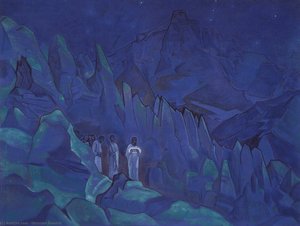
Untitled
 1925
1925 38.0 x 46.0 cm
 더 보기
더 보기
지클레 / 아트 프린트
빠른 제작과 다양한 마감 옵션을 제공하는 박물관 품질의 지클레이 또는 캔버스 프린트. ( 손으로 그린 그림 구매 이미지 구매)




































작품의 원본 비율을 유지하는 미리 설정된 크기 중에서 선택하세요.

특정 프레임이나 공간에 맞춰 직접 치수를 입력하실 수 있습니다. 선택하신 사이즈가 원본 이미지의 비율과 일치하지 않을 경우, 작품을 크롭(자르기)하거나 이미지를 대칭 또는 단색 채우기로 확장하여 제작합니다. 제작 시작 전, 최종 확인을 위해 디지털 목업이 전송됩니다.
화면상의 미리보기는 실제 크롭이나 확장 상태를 반영하지 않으므로, 최종 구도는 오직 목업을 통해서만 정확하게 확인하실 수 있습니다.
맞춤 사이즈 제작도 가능하지만, 원본 비율을 유지하기 위해서는 사전 정의된 목록에서 치수를 선택하시는 것을 권장합니다.


 유리 옵션은 110cm 미만 크기에서만 선택 가능합니다.

Untitled
지클레 / 아트 프린트
복제본 크기
-


최종 결제 금액
$ 64
유사한 작품들



작가 약력
Morgan Russell (1886–1953): Pioneer of Synchromism and American Modernism
Morgan Russell, born January 25, 1886, in New York City, was a pivotal figure in the burgeoning landscape of American modern art. Alongside Stanton Macdonald-Wright, he established Synchromism—a revolutionary artistic movement that boldly challenged conventional representation and championed color as its primary expressive force—marking a significant contribution to the broader modernist discourse. His legacy resides not only in his distinctive visual style but also in his intellectual engagement with philosophical concepts underpinning this groundbreaking approach. Russell’s early life was marked by an interest in architecture, which he pursued alongside sculptural studies at the Art Students League with Arthur Lee and James Earle Fraser. The influence of Lee's sculptural vision profoundly shaped Russell’s artistic sensibilities, fostering a meticulous attention to form and materiality. He honed his skills as a model for Lee and Fraser, immersing himself in the formative environment of the League—a crucible for developing avant-garde ideas. Crucially, a generous endowment from Gertrude Vanderbilt Whitney fueled his ambition to explore Europe, specifically Paris and Rome, where he immersed himself in artistic study and observation. Whitney’s unwavering belief in Russell's talent provided invaluable financial support during these formative years. Returning to New York City in 1907, Russell continued his artistic education at the New York School of Art under Robert Henri, absorbing the energy and dynamism of Ashcan realism—a movement that simultaneously rejected academic conventions and embraced gritty urban life. His Parisian return in 1909 cemented his connection with Matisse’s influential art school, where he frequented Gertrude Stein's salon and encountered Picasso and Rodin – encounters that exposed him to diverse artistic perspectives and fueled his creative experimentation. These formative experiences instilled a deep appreciation for color theory and inspired him to collaborate closely with Macdonald-Wright on developing theories about color’s role in conveying emotion and meaning. The genesis of Synchromism can be traced back to 1911, when Russell met Stanton Macdonald-Wright—a kindred spirit who shared his conviction that traditional painting was obsolete. Together, they drew inspiration from Delacroix's expressive use of color and the pioneering explorations of the Fauves, rejecting representational accuracy in favor of a visual language prioritizing chromatic harmony. Influenced by Percyval Tudor-Hart’s theories about music as an analogous framework for artistic composition—specifically the orchestration of notes—Russell and Macdonald-Wright sought to liberate painting from illusionistic constraints. They envisioned art that could communicate directly with the viewer's emotions, mirroring the immersive experience of musical performance. Russell’s Synchromies – canvases ablaze with vibrant hues arranged in asymmetrical compositions – exemplify this revolutionary aesthetic. These paintings weren’t merely decorative; they represented a deliberate attempt to distill visual sensation into its purest form—color itself—analogous to music’s melodic structure. His work stands as an early American articulation of modernist principles, demonstrating the transformative potential of abstraction and establishing Synchromism as a cornerstone of 20th-century art history. Russell's enduring contribution lies in his unwavering commitment to artistic innovation and his pioneering role in shaping the trajectory of modern painting.
Morgan Russell
1886 - 1953
주요 정보
- Artistic Movement Or Style: Synchromism
- Artists Or Movements Influenced By This Artist: ['Cubism']
- Artists Who Influenced This Artist:
- Percyval Tudor-Hart
- Stanton Macdonald-Wright
- Date Of Birth: January 25, 1886
- Date Of Death: May 29, 1953
- Full Name: Morgan Russell
- Nationality: American
- Notable Artworks:
- Untitled
- Nu Assis
- Place Of Birth: New York City



