


 미리보기
미리보기
 공유하기
공유하기 공유하기
공유하기
 상세 정보
상세 정보 Guide
Guide

 다운로드
다운로드
 유사 작품
유사 작품 X-레이
X-레이 슬라이드 쇼
 통계 정보
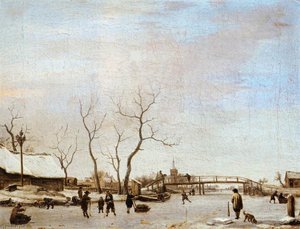
통계 정보A winter landscape with figures skating

 더 보기
더 보기
수제 유화 복제품
원하는 크기와 액자로 주문 제작되는, 작가들이 직접 캔버스에 손으로 그린 유화 작품입니다. ( 프린트 판매로 전환 디지털 이미지로 전환)




P118B $10

P118H $10

P118W $10

P438Z $10

P508JH $12

P508YH $12

P805H $10

P805Z $10

P919BZ $10

P919G $10

P919XJ $10

P959ZH $10

P968JZ $12

W106C $8

W218G $10

W218JH $8

W218Y $10

W307PJ $10

W316G $10

W316PJ $8

W316Y $10

W398PJ $8

W4111J $10

W500HY $15

W500JH $15

W692G $12

W849H $8

W940BG $15

W953PJ $8




작품의 원본 비율을 유지하는 미리 설정된 크기 중에서 선택하세요.

특정 프레임이나 공간에 맞도록 직접 크기를 입력할 수 있습니다. 선택하신 크기가 원본 이미지의 비율과 일치하지 않는 경우, 작품을 자르거나 추가적인 손으로 그린 요소를 사용하여 그림을 확장합니다. 제작 시작 전 승인을 위해 디지털 목업을 보내드립니다.
화면 미리 보기는 실제 자르기 또는 확장을 반영하지 않습니다. 최종 구성은 목업을 통해서만 정확하게 확인하실 수 있습니다.
맞춤 크기 제작도 가능하지만, 원본 비율을 유지하기 위해 사전 정의된 목록에서 크기를 선택하시는 것을 권장합니다.
주문 후 AllPaintingsStore.com 팀에서 상세 안내를 위해 고객님께 이메일을 보내드리며, 미리보기 시안을 제공해 드립니다.


 유리 옵션은 110cm 미만 크기에서만 선택 가능합니다.

A winter landscape with figures skating
재현 기법
복제본 크기
-


최종 결제 금액
$ 258
유사한 작품들




작가 약력
The Luminous Legacy of Nicolaas Johannes Roosenboom
In the grand tapestry of nineteenth-century Dutch art, few threads shimmer with as much atmospheric grace as those woven by Nicolaas Johannes Roosenboom. Born in 1805 in the quiet environs of Schieving, near Amsterdam, Roosenboom emerged during a period of profound transition in the Netherlands. While many of his contemporaries remained tethered to the rigid structures of classical realism, Roosenboom possessed an innate sensitivity to the ephemeral qualities of light and weather. His life’s work serves as a bridge between the storied traditions of the Dutch Golden Age and the burgeoning emotional depth of the Romantic movement, creating a visual language that captured both the stillness of the landscape and the vibrant pulse of human activity.
The foundation of Roosenboom’s mastery was laid under the tutelage of the legendary Andreas Schelfhout, one of the most prominent landscape painters of his era. From Schelfhout, Roosenboom inherited a profound respect for the narrative potential of the Dutch countryside, particularly the use of a low horizon to grant the sky a sense of infinite grandeur. This training instilled in him a meticulous eye for detail—the way frost clings to a reed or how a distant vessel catches the first light of dawn. However, Roosen andboom was never merely a mimic of his master; he possessed a restless, experimental spirit that drove him to seek out new textures and tones, eventually leading him to collaborate with other notable figures such as the Belgian livestock painter Eugène Verboeckhoven.
A Master of Atmosphere and Seasonal Change
Roosenboom’s true genius lay in his ability to translate the sensory experience of the seasons onto canvas. He became particularly celebrated as a master of the Dutch winter landscape, a genre that allowed him to explore the interplay of shadow, ice, and light. His paintings of frozen canals and snow-dusted villages are not merely topographical records but emotional evocations of winter pleasures. Through his brush, one can almost feel the crispness of the biting air and hear the rhythmic scrape of skates upon the IJ in Amsterdam. He captured the communal joy of koek en zopie—the traditional Dutch practice of enjoying warm treats on the ice—with a warmth that defied the frigid subject matter.
Beyond the winter frost, Roosenboom’s repertoire expanded into luminous summer scenes and evocative nocturnal studies. His ability to manipulate light was nothing short of transformative; he could render the soft, hazy glow of a moonlit harbor or the sharp, brilliant clarity of a sunny afternoon with equal dexterity. This fascination with atmospheric effects suggests an artist who was deeply attuned to the shifting moods of nature. His works often feature:
- Narrative Detail: Small, human elements—a horse and sledge, a distant ferry, or figures skating—that breathe life into the vast landscapes.
- Tonal Balance: A sophisticated equilibrium between the intricate textures of the foreground and the expansive, airy backgrounds.
- Luminous Color Palettes: The use of vibrant yet naturalistic hues to depict everything from the deep blues of twilight to the golden warmth of a summer sun.
Artistic Evolution and Historical Significance
As his career progressed, Roosenboom’s style began to reflect the broader shifts occurring within European art. While his roots remained firmly planted in Romanticism, there was an unmistakable movement toward a more fluid, almost proto-Impressionistic approach in his later works. He began to prioritize the impression of light over the strictness of line, utilizing looser brushstrokes to capture the fleeting nature of weather and motion. This evolution allowed him to transcend simple representation, turning his landscapes into poetic meditations on time and permanence.
The success of his paintings enabled him to travel extensively throughout Europe, bringing the essence of the Dutch landscape to audiences in Belgium, Germany, England, and Scotland. This international reach ensured that his influence extended far beyond the borders of his homeland. Today, Roosenboom is remembered not only as a prolific painter but as an influential teacher who helped shape the trajectory of Dutch landscape art. His legacy endures in every canvas that captures the quiet magic of a sun-drenched meadow or the melancholic beauty of a winter dusk, reminding us that the most profound art often lies in our ability to see the extraordinary within the ordinary.

nicolaas johannes roosenboom
1805 - 1880 , Netherlands
주요 정보
- Artistic Movement Or Style: Impressionism
- Artists Or Movements Influenced By This Artist: ['Romanticism']
- Artists Who Influenced This Artist: ['Gustav Klimt']
- Date Of Birth: 1805
- Full Name: Nicolaas Johannes Roosenboom
- Nationality: Dutch
- Notable Artworks: ['Skaters On The Ij']
- Place Of Birth: Schieving, Netherlands
관련 기사 더 보기

Golden Light & Dutch Skies: The Timeless Magic of Dutch Golden Age Landscapes
Discover the breathtaking beauty of Dutch Golden Age landscapes. Explore the mastery of light, chiaroscuro, and 17th-century realism through an expert art history lens, celebrating the enduring legacy of the Dutch Masters for discerning collectors and art lovers.

Masterpieces of Light: A Definitive Guide to the Landscapes of the Dutch Golden Age
Discover the luminous mastery of Dutch Golden Age landscapes. Our expert guide explores the atmospheric realism of masters like Van Goyen and Cuyp. Elevate your space with museum-quality, hand-painted oil reproductions from AllPaintingsStore.com. Art history, beautifully realized.

낭만 풍경화의 황홀! 예술사에 빛난 10대 걸작 탐구 | 와후아트
낭만주의 시대, 예술혼을 불태운 10대 풍경화 걸작! 터너부터 프리드리히까지, 시대를 초월하는 아름다움을 와후아트에서 만나보세요. 고흐의 색채와 코로의 섬세함이 당신의 공간에 영감을 더합니다. 지금 바로 와후아트에서 명품 미술 작품을 감상하고 구매하세요!

Golden Light & Dutch Skies: Bringing the Magic of Dutch Golden Age Landscapes into Your Home
Transform your home with the breathtaking light of Dutch Golden Age landscapes. Discover how hand-painted oil reproductions of masterworks like Ruisdael and Vermeer bring timeless elegance, atmosphere, and soulful texture to modern interiors. Elevate your space with museum-quality art.

Charles Leickert: Capturing the Dutch Golden Age Light – A Comprehensive Study of Technique, Context, and Legacy
Explore the captivating winter landscapes of Charles Leickert, a master of Dutch Golden Age light & atmosphere. Discover his techniques, symbolism, and lasting legacy – a comprehensive study for art enthusiasts and collectors.

