


 미리보기
미리보기
 공유하기
공유하기 공유하기
공유하기
 상세 정보
상세 정보

 다운로드
다운로드
 유사 작품
유사 작품 X-레이
X-레이 슬라이드 쇼
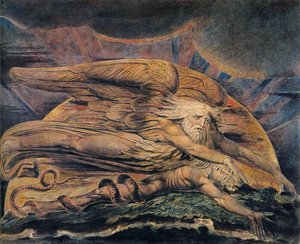
Sleeping Boy
 1992
1992 48.0 x 52.0 cm
 더 보기
더 보기
지클레 / 아트 프린트
빠른 제작과 다양한 마감 옵션을 제공하는 박물관 품질의 지클레이 또는 캔버스 프린트. ( 손으로 그린 그림 구매 이미지 구매)




































작품의 원본 비율을 유지하는 미리 설정된 크기 중에서 선택하세요.

특정 프레임이나 공간에 맞춰 직접 치수를 입력하실 수 있습니다. 선택하신 사이즈가 원본 이미지의 비율과 일치하지 않을 경우, 작품을 크롭(자르기)하거나 이미지를 대칭 또는 단색 채우기로 확장하여 제작합니다. 제작 시작 전, 최종 확인을 위해 디지털 목업이 전송됩니다.
화면상의 미리보기는 실제 크롭이나 확장 상태를 반영하지 않으므로, 최종 구도는 오직 목업을 통해서만 정확하게 확인하실 수 있습니다.
맞춤 사이즈 제작도 가능하지만, 원본 비율을 유지하기 위해서는 사전 정의된 목록에서 치수를 선택하시는 것을 권장합니다.


 유리 옵션은 110cm 미만 크기에서만 선택 가능합니다.

Sleeping Boy
지클레 / 아트 프린트
복제본 크기
-


최종 결제 금액
$ 64


작가 약력
Early Life and Influences
- Born: April 8, 1944, Helsingborg, Sweden
- Parents: Resistance fighters who fled German-occupied Norway during World War II.
- Childhood: Marked by parental divorce and a sense of abandonment, which influenced his later themes of isolation and refuge.
- Education: Attended a Rudolf Steiner school in Oslo, emphasizing spiritual and esoteric practices.
- Art Academy of Oslo: Studied from 1961-1963 but became disillusioned with modern art trends.
- Key Influences: Rembrandt, Caravaggio, Titian – heavily influenced his neo-Baroque style and focus on classical techniques. The painting *The Conspiracy of Claudius Civilis* by Rembrandt was a pivotal moment in his artistic development.
Artistic Development and Style
- Rejection of Modern Art: Actively opposed the prevailing trends in modern art, choosing to master traditional techniques instead.
- Neo-Baroque Style: Developed a distinctive style characterized by dramatic lighting (chiaroscuro), realistic figures, and allegorical narratives.
- Themes: Explores themes of refuge, forbidden longings, apocalyptic scenarios, and the human condition. Often depicts figures dressed in historical or otherworldly attire.
- Kitsch Philosophy: Defines his art as "kitsch" rather than traditional art, emphasizing emotional impact over intellectual critique. This philosophy spawned a movement among his followers.
- Mediums: Primarily paints but also creates etchings and drawings.
Major Works and Achievements
- Monumental Paintings: Known for creating large-scale works that have become iconic within his style.
- Recurring Motifs: Features recurring motifs such as floating figures in space, and scenes evoking a sense of post-apocalyptic desolation.
- Love Divided (1964–2005): A significant work that underwent multiple iterations due to early destruction.
- Museum Acquisitions: His works are held in prestigious museums worldwide including the Metropolitan Museum of Art, Walker Art Center, de Young Museum, and Hirshhorn Museum.
Controversies and Historical Significance
- Criticism: Faced criticism from Norwegian art critics who viewed his work as representing a triumph of popular culture over art.
- Tax Evasion Conviction: In 2012, he was convicted of tax evasion and sentenced to prison, which brought further attention to his controversial persona.
- Rejection of Modernism: Nerdrum's staunch rejection of modern art trends and embrace of classical techniques has made him a significant figure in the ongoing debate about artistic values.
- Influence on Contemporary Art: His "kitsch" philosophy and dedication to traditional painting methods have influenced a generation of artists seeking alternatives to contemporary art practices.
Later Life and Legacy
- Continued Production: Continues to create six to eight paintings annually, including still lifes, portraits, and allegorical works.
- Writing and Philosophy: Author of essays, aphorisms, poems, and plays that articulate his philosophical views on art, culture, and the human condition.
- Recognition as a Classical Painter: Widely recognized as a prominent classical painter in Scandinavia.

Odd Nerdrum
1944 - , Sweden
주요 정보
- Artistic Movement Or Style: Figurative painting, Kitsch
- Artists Who Influenced This Artist:
- Rembrandt
- Caravaggio
- Titian
- Date Of Birth: April 8, 1944
- Full Name: Odd Nerdrum
- Nationality: Norwegian
- Place Of Birth: Helsingborg, Sweden



