


 미리보기
미리보기
 프린트 구매
 공유하기
공유하기 공유하기
공유하기
 상세 정보
상세 정보

 다운로드
다운로드
 유사 작품
유사 작품 X-레이
X-레이 슬라이드 쇼
Saint Romuald
 Tempera On Panel
 1320
1320- Late Medieval
 46.0 x 27.0 cm
 메트로폴리탄 미술관
 더 보기
더 보기




P118B $10

P118H $10

P118W $10

P438Z $10

P508JH $12

P508YH $12

P805H $10

P805Z $10

P919BZ $10

P919G $10

P919XJ $10

P959ZH $10

P968JZ $12

W106C $8

W218G $10

W218JH $8

W218Y $10

W307PJ $10

W316G $10

W316PJ $8

W316Y $10

W398PJ $8

W4111J $10

W500HY $15

W500JH $15

W692G $12

W849H $8

W940BG $15

W953PJ $8




작품의 원본 비율을 유지하는 미리 설정된 크기 중에서 선택하세요.

특정 프레임이나 공간에 맞도록 직접 크기를 입력할 수 있습니다. 선택하신 크기가 원본 이미지의 비율과 일치하지 않는 경우, 작품을 자르거나 추가적인 손으로 그린 요소를 사용하여 그림을 확장합니다. 제작 시작 전 승인을 위해 디지털 목업을 보내드립니다.
화면 미리 보기는 실제 자르기 또는 확장을 반영하지 않습니다. 최종 구성은 목업을 통해서만 정확하게 확인하실 수 있습니다.
맞춤 크기 제작도 가능하지만, 원본 비율을 유지하기 위해 사전 정의된 목록에서 크기를 선택하시는 것을 권장합니다.
주문 후 AllPaintingsStore.com 팀에서 상세 안내를 위해 고객님께 이메일을 보내드리며, 미리보기 시안을 제공해 드립니다.


 유리 옵션은 110cm 미만 크기에서만 선택 가능합니다.

Saint Romuald
재현 기법
복제본 크기
-


최종 결제 금액
$ 258
유사한 작품들


작가 약력
A Shadowy Figure of the Umbrian Renaissance: Pseudo-Palmeruccio
The name evokes a mystery, a whisper from the early 14th century—Pseudo-Palmeruccio. Active in Gubbio, Italy, around 1320-1360, this artist remains largely an enigma, known primarily for a single attributed work: ‘Saint Romuald.’ His very designation as “pseudo” speaks to the uncertainties surrounding his identity and oeuvre; he is a painter whose existence we know through one compelling piece, leaving art historians to speculate about his life, training, and broader artistic contributions. Gubbio, nestled in the rolling hills of Umbria, was a thriving center during this period, experiencing a burgeoning religious fervor and artistic production. It’s within this context that Pseudo-Palmeruccio emerged, contributing to the evolving landscape of Italian painting as the Gothic style began its transition toward the more naturalistic forms of the Renaissance. The scarcity of documented information only adds to his allure—he is a tantalizing fragment of art history, a reminder of the many talented hands whose names have faded with time but whose work continues to resonate across the centuries.‘Saint Romuald’: A Testament to Medieval Devotion
The painting ‘Saint Romuald,’ currently held in the collection of The Metropolitan Museum of Art, is the cornerstone of Pseudo-Palmeruccio’s known body of work. Despite its relatively small size—measuring just over 18 inches in height—the panel possesses a remarkable presence. It depicts Saint Romuald, founder of the Camaldolese order, rendered with a quiet dignity and introspective quality. The saint is shown half-length, clad in the white habit of his order, holding a green book – a symbol of learning and devotion. The artist’s use of tempera on wood, combined with gold leaf detailing, reflects the prevailing artistic techniques of the period. What sets this work apart is its original composition; the half-length format was unusual for the time, suggesting a deliberate choice by Pseudo-Palmeruccio to focus on the saint's individual spirituality rather than a broader narrative scene. The delicate modeling of the face and hands reveals a sensitivity to human anatomy, hinting at an awareness of emerging Renaissance ideals even as the painting remains firmly rooted in the Gothic tradition. The gold background, typical of medieval iconography, serves not merely as ornamentation but as a symbolic representation of the divine realm, enveloping Saint Romuald in an ethereal light.Influences and Artistic Context
Pinpointing Pseudo-Palmeruccio’s specific influences is challenging given the limited scope of his known work. However, scholars suggest connections to other Umbrian artists active during the early 14th century. The influence of Duccio di Buoninsegna, whose emotionally charged paintings profoundly impacted Italian art, can be detected in the expressive quality of Saint Romuald’s face and the subtle use of color. The Sienese school's emphasis on narrative detail and refined technique likely played a role in shaping Pseudo-Palmeruccio’s artistic sensibilities. Furthermore, the proximity of Florence—a burgeoning center of innovation—may have exposed him to early Renaissance developments, contributing to his nuanced approach to form and composition. It is important to note that Umbrian painting during this period often blended elements from various regional styles, creating a unique aesthetic characterized by both Gothic elegance and nascent naturalism. Pseudo-Palmeruccio’s work exemplifies this synthesis, demonstrating a delicate balance between tradition and innovation.A Glimpse into 14th-Century Religious Life
‘Saint Romuald’ offers more than just an artistic achievement; it provides a valuable glimpse into the religious life of 14th-century Italy. The Camaldolese order, founded by Saint Romuald in the 11th century, emphasized solitude, contemplation, and monastic discipline. The painting likely served as a devotional image intended for private worship or display within a monastery—a visual aid to inspire piety and reflection. The saint’s serene expression and humble posture reflect the ideals of the order, promoting a sense of inner peace and spiritual devotion. Moreover, the meticulous rendering of his habit and book underscores the importance of religious scholarship and adherence to monastic rules. In an era marked by political instability and social upheaval, images like ‘Saint Romuald’ provided solace and reassurance—a tangible connection to the divine in a world often fraught with uncertainty. The work speaks to the enduring power of faith and the role of art in fostering spiritual contemplation.Legacy and Historical Significance
Despite the limited information available about him, Pseudo-Palmeruccio occupies an important place in the history of Italian painting. His ‘Saint Romuald’ stands as a testament to the artistic vitality of Umbria during the early Renaissance—a bridge between the Gothic past and the burgeoning naturalism of the future. While his influence on subsequent generations of artists remains difficult to trace, the painting continues to captivate viewers with its quiet dignity and introspective quality. The very mystery surrounding his identity only adds to his allure, inviting speculation about his life, training, and broader artistic contributions. Pseudo-Palmeruccio serves as a reminder that art history is not merely a chronicle of celebrated masters but also a tapestry woven from the work of countless lesser-known artists—talented hands whose creations continue to inspire and intrigue centuries later. He represents a crucial link in understanding the evolution of religious painting and the transition towards Renaissance ideals within the Umbrian artistic landscape.
pseudo-palmeruccio
Italy
주요 정보
- Artistic Movement Or Style: Medieval Italian art
- Full Name: pseudo-palmeruccio
- Nationality: Italian
- Notable Artworks: ['Saint Romuald']
- Place Of Birth: Gubbio, Italy
관련 기사 더 보기

Tempera on Panel: A Procurement Guide to Durable, High-Quality Art for Large-Scale Hospitality Projects
A professional procurement guide for hotel designers on the durability and prestige of tempera on panel. Discover how these high-quality, large-scale artworks offer unmatched longevity and architectural impact for premium hospitality projects and commercial interiors.
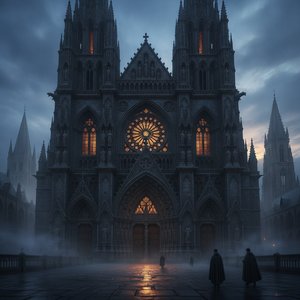
Gothic Art Guide for Hotel Designers: Leveraging Dramatic Shadows and Architectural Grandeur in Luxury Interiors
Elevate hospitality interiors with our expert guide to Gothic art. Discover how to leverage dramatic shadows, architectural grandeur, and high-end reproductions to create sophisticated, atmospheric hotel spaces that captivate guests.


