


 실제 크기로 보기
 보내기
보내기 공유하기
공유하기
 상세 보기
상세 보기 가이드 보기

 이미지 다운로드
 유사 작품 더 보기
 X-레이
X-레이 슬라이드 쇼 보기
 통계 정보
통계 정보The parnassus (detail)9

 상세 보기
상세 보기
지클레 / 아트 프린트
빠른 제작과 다양한 마감 옵션을 선택할 수 있는 박물관 수준의 지클레이 및 캔버스 프린트. ( 수작업 채색 복제본 주문하기 디지털 이미지 판매 채널로 전환)




P118B ₩10

P118H ₩10

P118W ₩10

P438Z ₩10

P508JH ₩12

P508YH ₩12

P805H ₩10

P805Z ₩10

P919BZ ₩10

P919G ₩10

P919XJ ₩10

P959ZH ₩10

P968JZ ₩12

W106C ₩8

W218G ₩10

W218JH ₩8

W218Y ₩10

W307PJ ₩10

W316G ₩10

W316PJ ₩8

W316Y ₩10

W398PJ ₩8

W4111J ₩10

W500HY ₩15

W500JH ₩15

W692G ₩12

W849H ₩8

W940BG ₩15

W953PJ ₩8




작품의 원본 비율을 그대로 유지하는 프리셋 사이즈 중에서 선택해 보세요.

액자나 벽면 크기에 맞춰 필요한 가로와 세로 길이를 입력해 주세요. 프린트는 원본 이미지보다 크게 제작할 수 없으며 오직 자르는 것만 가능하므로, 비율이 다른 사이즈를 선택할 경우 이미지의 일부가 잘려 나갈 수 있습니다. 인쇄 작업에 들어가기 전, 최종 확인을 위해 디지털 목업을 보내드립니다. 이 페이지에 표시된 이미지는 실제 잘리는 영역을 나타내지 않으며, 오직 목업을 통해서만 정확한 확인이 가능합니다.


 유리 옵션은 110cm 미만 크기에서만 선택 가능합니다.

The parnassus (detail)9
지클레 / 아트 프린트
복제본 규격
-


총 결제 금액
₩ 86995
A Symphony of Myth and Enlightenment: Exploring Raphael’s ‘The Parnassus’
The fresco “The Parnassus” by Raphael, housed within the Sistine Chapel's Sancta Disciplina – specifically the third panel – stands as a cornerstone of High Renaissance artistic achievement. More than just a depiction of classical mythology, it embodies Neoplatonic ideals and represents a profound meditation on human intellect and creativity. Commissioned by Pope Julius II during a period marked by papal ambition and artistic patronage, this monumental artwork reflects the humanist spirit that dominated Europe at the time, prioritizing reason and observation alongside faith.The Scene: A Gathering of Philosophers
At first glance, “The Parnassus” presents a vibrant tableau of figures clustered around Mount Parnassus, the legendary birthplace of poetry and music in Greek mythology. Raphael meticulously captures the essence of Aristophanes’ play "Frogs," portraying poets engaged in various activities – some reciting verses, others listening intently, while others contemplate the divine inspiration that fuels their art. The composition is remarkably balanced, utilizing geometric principles to create a harmonious visual experience. Observe how Raphael skillfully arranges the figures, emphasizing movement and interaction amongst them. Each individual is rendered with exquisite detail, conveying not only physical likeness but also psychological nuance.Technique and Artistic Innovation
Raphael’s mastery of fresco technique—applying pigment directly onto wet plaster—allowed him to achieve unparalleled luminosity and depth of color. The artist employed a glazing method, layering translucent washes of pigment over underdrawings to build up tonal variations and create an ethereal quality that distinguishes this panel from others in the chapel. Note the subtle gradations of hue achieved through careful blending – a testament to Raphael’s meticulous attention to artistic precision. Furthermore, Raphael's use of perspective contributes significantly to the illusionistic realism of the scene, transporting viewers into the imagined landscape of Mount Parnassus.Symbolism: Echoes of Plato and Aristotle
“The Parnassus” is laden with symbolic significance rooted in Platonic philosophy. Mount Parnassus itself represents the realm of intellect and divine inspiration—the antithesis of earthly concerns. The figures depicted embody the virtues championed by Aristotle, symbolizing wisdom, courage, piety, justice, and moderation. Raphael’s deliberate inclusion of these philosophical concepts underscores the chapel's overarching purpose: to illustrate the theological virtues alongside the intellectual virtues. The laurel wreaths adorning the poets signify honor and achievement—a celebration of human creativity and its connection to the divine order.Emotional Resonance: A Moment of Contemplation
Beyond its formal artistry, “The Parnassus” evokes a powerful emotional response in the viewer. Raphael’s depiction captures a palpable sense of camaraderie and intellectual engagement – an idealized vision of human fellowship driven by shared passion for knowledge and beauty. The serene atmosphere of Mount Parnassus invites contemplation and reflection on the transformative power of artistic expression. This fresco continues to inspire awe and admiration centuries later, serving as a timeless reminder of the enduring legacy of Renaissance art and its profound impact on Western culture.질의응답
라파엘로의 "The parnassus (detail)9"의 복제본을 어떻게 미리 볼 수 있나요?
라파엘로의 "The parnassus (detail)9"의 복제본을 미리 보려면 작품의 미리보기 페이지를 열어주세요.
"The parnassus (detail)9" 작품은 어떤 사이즈로 출력하는 것을 추천하시나요?
"The parnassus (detail)9" 작품은 Large 인쇄 크기를 권장합니다. 동일한 비율의 다른 사이즈로도 제작 가능합니다.
라파엘로의 "The parnassus (detail)9"의 정서적 분위기는 어떠한가요?
라파엘로의 "The parnassus (detail)9"은(는) Calm 감성을 전달합니다.
관련 작품들


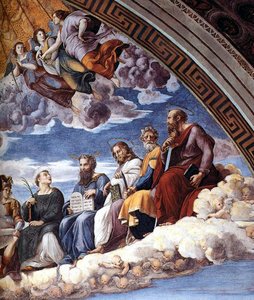
![Stanze Vaticane - La Disputa (detail) [04] — 라파엘로, High Renaissance](/media/artworks/images-thumb/61/3a/613a0d8856c9e3f8abc146897892a0d2.jpg)


작가 소개
라파엘로: 우르비노의 빛, 르네상스 미술의 정수
1483년, 이탈리아 우르비노에서 태어난 라파엘로 산치오 다 우르비노, 그는 역사 속에서 ‘라파엘’이라는 이름으로 영원히 기억될 것입니다. 그의 삶은 바로크 건축과 예술의 중심지였던 우르비노 공국의 문화적 풍요 속에서 시작되었습니다. 아버지 조반니 산티 역시 공국에 고용된 화가이자 시인이었으며, 르네상스 사상의 흐름을 읽고 새로운 예술적 아이디어를 적극적으로 수용한 인물이었습니다. 이러한 환경은 어린 라파엘에게 예술과 학문이 결합된 균형 잡힌 감수성을 심어주었고, 그의 작품 세계에 깊은 영향을 미쳤습니다. 아버지의 갑작스러운 죽음 이후, 라파엘은 젊은 나이에 가족 작업장을 이끌며 그림 실력을 갈고 닦았고, 섬세한 표현과 부드러운 선이 특징인 초기 작품들에서 그의 재능을 엿볼 수 있습니다.
움브리아에서 피렌체로: 새로운 영감의 추구
라파엘의 예술적 여정은 끊임없는 변화와 성장의 연속이었습니다. 페루지노에게 그림을 배우며 움브리아 스타일의 기반을 다졌지만, 그는 안주하지 않고 더 넓은 세상으로 나아가고자 했습니다. 1504년, 예술 혁신의 중심지였던 피렌체로 향한 라파엘은 레오나르도 다 빈치와 미켈란젤로의 걸작들을 직접 마주하며 깊은 감명을 받았습니다. 그는 두 거장의 기법을 탐구하고 분석하며 자신만의 독창적인 스타일을 구축하기 위해 노력했습니다. 특히 레오나르도의 스푸마토 기법, 즉 부드러운 명암 대비를 통해 형태를 표현하는 방식과 미켈란젤로의 인체 해부학적 정확성과 역동적인 구성을 연구하며 자신의 예술 세계에 새로운 가능성을 불어넣었습니다. 피렌체에서의 경험은 라파엘에게 깊은 영향을 미쳐, 그의 작품에서 더욱 풍부한 감정과 생동감을 느낄 수 있게 해주었습니다.
로마의 황금기: 위대한 의뢰와 걸작 탄생
1508년, 교황 율리우스 2세의 초청으로 라파엘은 로마행을 결정하며 자신의 예술적 역량을 본격적으로 발휘할 기회를 맞이합니다. 영원한 도시 로마는 그에게 무대이자 영감의 원천이었으며, 바티칸 궁전의 벽면을 장식하는 대규모 프레스코화 작업을 통해 그의 명성은 더욱 높아졌습니다. 특히 ‘아테네 학당’은 라파엘의 대표작으로 손꼽히며, 고대 그리스 철학자들의 모습을 생생하게 묘사하여 지성과 예술이 조화를 이루는 르네상스 시대의 이상을 구현했습니다. 또한, 교황 레오 10세의 의뢰를 받아 ‘세그나투라 방’과 ‘엘리오도로 방’ 등의 프레스코화 작업을 진행하며 종교적 주제와 세속적인 이야기를 능숙하게 조화시키는 그의 재능을 증명했습니다. 이러한 작업들은 라파엘을 단순한 화가를 넘어, 시대의 정신을 반영하는 위대한 예술가로 자리매김하게 했습니다.
우아함과 웅장함의 조화: 라파엘의 예술적 특징
라파엘의 작품은 우아함, 명료함, 이상적인 아름다움이 절묘하게 어우러진 것이 특징입니다. 그는 움브리아 전통, 피렌체 혁신, 고대 그리스 로마 문화 등 다양한 영향을 흡수하여 자신만의 독창적인 예술 세계를 구축했습니다. 그의 구도는 정교하게 계획되어 있으며, 르네상스 시대의 원리를 반영하는 균형과 비례미를 자랑합니다. 인물들은 서정적이고 감성적인 표현을 통해 인간 본연의 아름다움을 드러내며, 보는 이로 하여금 깊은 감동을 불러일으킵니다. 또한, 그는 풍부하고 밝은 색채를 사용하여 시각적으로 매혹적이면서도 지적으로 자극하는 작품들을 창조했습니다. 미켈란젤로의 강렬하고 격렬한 스타일과는 대조적으로, 라파엘의 작품은 평온함과 조화로움이 느껴지는 것이 특징입니다.
불멸의 유산: 후대에 드리운 영향
라파엘은 37세라는 젊은 나이에 세상을 떠났지만, 그의 예술적 업적은 시대를 초월하여 후대 예술가들에게 영감을 불어넣었습니다. 그의 작품은 르네상스 시대의 미학을 대표하는 동시에, 이후 네오클래식주의 운동에 큰 영향을 미쳤습니다. 요한 요아힘 빈켈만과 같은 비평가들은 라파엘의 작품에서 고전적인 아름다움의 이상을 발견하고 이를 적극적으로 재조명했습니다. 오늘날까지도 그의 그림들은 전 세계 미술관에 전시되어 수많은 사람들에게 감동을 선사하며, 르네상스 시대 최고의 거장으로서 그의 위상은 확고히 자리 잡았습니다. 라파엘은 단순한 화가를 넘어, 인간의 아름다움과 정신적인 가치를 예술로 승화시킨 불멸의 존재입니다.
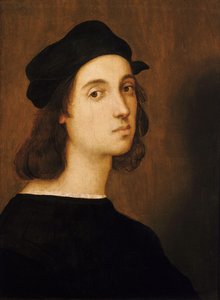
라파엘로
1483 - 1520 , 이탈리아
작가 정보 요약
- 국적: 이탈리아인
- 대표 작품:
- 아테네 학당
- 시스티나 마돈나
- 변화
- 사망일: 1520년 4월 6일
- 영향을 받은 예술 사조: ['신고전주의']
- 영향을 준 예술가:
- 레오나르도 다 빈치
- 미켈란젤로
- 피에트로 페루지노
- 예술 사조: 고전 회화 (High Renaissance)
- 전체 이름: 라파엘로 산치오 다 우르비노
- 출생일: 1483년 3월 28일 (또는 4월 6일)
- 출생지: 우르비노, 이탈리아
관련 기사
가족 유산의 벽화: 대를 잇는 예술적 전통과 기억의 보존
가족 유산의 벽화에 담긴 예술적 전통과 기억 보존의 의미를 탐구합니다. 프레스코 기법의 역사, 제작 과정, 복원 노력을 심층 분석하고 현대적인 응용 가능성을 제시합니다. 전문가의 시각으로 고품격 미술 정보를 제공합니다.

The Enduring Legacy of Fresco Painting: Techniques, History & Contemporary Relevance
Explore the rich history & enduring artistry of fresco painting – from Giotto to Michelangelo! Discover techniques, conservation efforts, & modern applications. Learn how AllPaintingsStore brings this timeless art form to your home.
라파엘의 걸작 25선: 예술과 영혼을 담은 명화 컬렉션 | AllPaintingsStore
라파엘의 걸작 25선을 만나보세요. 르네상스 시대 예술가의 섬세한 기법과 영혼을 담은 명화들을 감상하고, 아테네 학당, 천사의 학교 등 대표 작품의 숨겨진 이야기를 AllPaintingsStore에서 확인하세요. 고급 아트 프린트로 공간에 우아함을 더해보세요! 지금 바로 컬렉션을 탐험하세요.

The Enduring Legacy of Fresco: Technique, History & Artistic Expression Across Cultures
Explore the rich history & enduring legacy of fresco painting! Discover ancient techniques, Giotto's masterpieces, and modern applications. Expert insights for art lovers & professionals.

Fresco's Finest: 10 Masterpieces That Define Art History | AllPaintingsStore
Journey through art history with our Top 10 Fresco Masterpieces! Explore Michelangelo, Raphael & Giotto's iconic works. Find museum-quality reproductions and elevate your home decor at AllPaintingsStore.com.




![바티칸 궁전실 - 성전에서 헬리오도라스를 쫓아냄 (디테일) [02]](/media/artworks/images-thumb/3a/23/3a2308b63b60b5cb105575e135028d92.jpg)


