


 미리보기
미리보기
 공유하기
공유하기 공유하기
공유하기
 상세 정보
상세 정보

 다운로드
다운로드
 유사 작품
유사 작품 X-레이
X-레이 슬라이드 쇼
The harvest
 Oil On Canvas
- WallArt
- Surrealism
 1943
1943- Modern
 60.0 x 80.0 cm
 더 보기
더 보기
지클레 / 아트 프린트
빠른 제작과 다양한 마감 옵션을 제공하는 박물관 품질의 지클레이 또는 캔버스 프린트. ( 손으로 그린 그림 구매 이미지 구매)




P118B $10

P118H $10

P118W $10

P438Z $10

P508JH $12

P508YH $12

P805H $10

P805Z $10

P919BZ $10

P919G $10

P919XJ $10

P959ZH $10

P968JZ $12

W106C $8

W218G $10

W218JH $8

W218Y $10

W307PJ $10

W316G $10

W316PJ $8

W316Y $10

W398PJ $8

W4111J $10

W500HY $15

W500JH $15

W692G $12

W849H $8

W940BG $15

W953PJ $8




작품의 원본 비율을 유지하는 미리 설정된 크기 중에서 선택하세요.

특정 프레임이나 공간에 맞춰 직접 치수를 입력하실 수 있습니다. 선택하신 사이즈가 원본 이미지의 비율과 일치하지 않을 경우, 작품을 크롭(자르기)하거나 이미지를 대칭 또는 단색 채우기로 확장하여 제작합니다. 제작 시작 전, 최종 확인을 위해 디지털 목업이 전송됩니다.
화면상의 미리보기는 실제 크롭이나 확장 상태를 반영하지 않으므로, 최종 구도는 오직 목업을 통해서만 정확하게 확인하실 수 있습니다.
맞춤 사이즈 제작도 가능하지만, 원본 비율을 유지하기 위해서는 사전 정의된 목록에서 치수를 선택하시는 것을 권장합니다.


 유리 옵션은 110cm 미만 크기에서만 선택 가능합니다.

The harvest
지클레 / 아트 프린트
복제본 크기
-


최종 결제 금액
$ 64
작품 상세 설명
A Surrealist Reverie: Unveiling Magritte’s The Harvest
In the annals of Surrealism, few works possess the unsettling magnetism of René Magritte’s 1943 masterpiece, The Harvest. Painted during a period of profound global upheaval, this canvas serves as much more than a mere visual arrangement; it is a deliberate provocation designed to fracture our perception of reality. At first glance, the viewer is met with a scene that feels deceptively domestic, yet beneath the surface lies a dreamlike landscape where the laws of physics and biology are quietly suspended. Magritte invites us into a world where the familiar becomes strange, urging us to look past the visible surface to find the hidden truths lurking in the subconscious.
The composition centers on a woman reclining in a state of profound repose, her body positioned against a collection of furniture—a bed, a chair, and a couch. However, Magritte immediately disrupts our sense of equilibrium through a startling use of color and form. Her face is rendered in a striking red, while her legs take on a deep, ethereal blue, creating an immediate sensory disorientation. This chromatic dissonance is further amplified by the presence of secondary figures in the background, one of whom glows with vibrant orange and yellow hues. These spectral presences act as anchors to a dreamscape, suggesting that the scene is not a depiction of a physical room, but rather a window into a psychological state where identity is fluid and color carries its own emotional weight.
Technique and the Mastery of Illusion
What makes The Harvest so captivating for the discerning collector is Magritte’s extraordinary ability to marry meticulous realism with the impossible. His technique, reminiscent of the Old Masters and Flemish painters, utilizes subtle glazing layers to achieve a luminous, almost porcelain-like surface. This precision allows the fantastical elements—the red face, the blue limbs—to feel tangibly real, which is precisely what makes the surrealism so impactful. By rendering the illogical with such high fidelity, Magritte prevents the viewer from dismissing the scene as mere fantasy; instead, he forces us to confront the impossibility of the image as if it were a documented fact.
The influence of avant-garde movements like Cubism and Orphism can be felt in the way Magritte subtly fragments his perspectives. While he avoids the total abstraction of those movements, there is a geometric intentionality to the arrangement of the furniture and the figures that provides a structured skeleton to the dream. This balance between structural rigor and fluid, emotive color creates a tension that keeps the eye moving across the canvas, discovering new layers of meaning with every glance.
Historical Resonance and Interior Inspiration
To understand The Harvest is to understand the anxieties of mid-20th century Europe. Created in 1943, the painting breathes the atmosphere of a world in flux, mirroring the existential uncertainties of the wartime era. Magritte’s work stands as a testament to the power of art to resist rational thought and confront the shadows of the human condition. For the modern interior designer or art enthusiast, this piece offers a profound sense of intellectual depth. It is not merely a decorative object but a conversation starter—a piece that demands contemplation and rewards curiosity.
Integrating a high-quality reproduction of The Harvest into a curated space can transform an environment. Its bold use of primary and secondary colors makes it a striking focal point in minimalist or contemporary settings, while its historical gravity lends prestige to more classical collections. Whether placed in a quiet study to inspire deep thought or as a centerpiece in a sophisticated living area, this work brings with it the enduring legacy of Magritte’s quest to reveal that what we see is not always what we think.
유사한 작품들


작가 약력
Early Life and the Seeds of Surrealism
René Magritte는 벨기에 레센네스에서 1898년 11월 21일에 태어났습니다. 그의 어린 시절은 충격적인 사건으로 시작되었습니다. 바로 어머니의 자살이었는데, 그는 열세 살 때였습니다. 그녀의 시체가 세브레 강에 발견되었고 그녀의 드레스가 얼굴을 가리는 모습이 눈앞에 펼쳐졌습니다. 이 초기의 트라우마는 그에게 미스터리함과 상실감 그리고 우리가 보지 못하는 힘에 대한 매혹감을 심어주었습니다. 그의 어린 시절에 대한 자세한 정보는 아직 명확하게 밝혀지지 않았지만 그는 삶 전체를 질문하는 방식으로 끊임없이 탐구하며 예술적 비전을 형성했습니다. 그는 열 살 때 그림 레슨을 시작했는데 이는 그에게 시각적 표현에 대한 타고난 기질을 드러냈습니다. 하지만 처음에는 인상주의로 탐구했지만 이후 그의 예술 경로는 서양 미술의 주요 인물 중 한 명으로 나아가기 위해 독특한 길을 택했습니다.
Artistic Development and Influences
마그리트는 예술적 여정이 즉각적이고 간단하지 않았습니다. 그는 브뤼셀 왕립 미술 아카데미에서 공부했지만 전통적인 방법은 그에게 답답함을 안겨주었습니다. 그의 초기 작품은 미래주의와 입체주의를 실험했는데 이 두 현대 미술 운동의 형식을 흡수했지만 형식적인 우려에 대한 관심이 부족했습니다. 그는 1922년 지오르지오 드 치리코의 그림 *사랑의 노래*를 만나면서 새로운 시각을 발견했습니다. 드 치리코의 꿈 같은 풍경과 혼란스러운 대립은 마그리트에게 익숙한 것이 이상하게 변하고 평범함이 깊은 미스터리로 가득 차는 세계로 이끌었습니다. 이 만남은 그가 초현실주의에 대한 약속을 깨고 그의 동료 예술가들보다 더 자유로운 방식으로 탐구하는 것을 촉발했습니다. 그는 초현실주의의 심리적 또는 자동적인 접근 방식과 같은 방법으로 무의식 탐구를 추구하지 않았습니다.
The Heart of Surrealism: Challenging Reality
1926년 마그리트는 초현실주의 원칙을 완전히 받아들였고 *로스트 조커*를 제작했는데 이 작품은 광범위하게 그의 첫 번째 진정한 초현실주의 작품으로 여겨집니다. 그러나 그의 초현실주의는 독특했습니다. 그는 미래주의와 같은 다른 예술가들의 방식과 달리 무의식 탐구에 대한 자유 연관이나 꿈 이미지 사용에 관심이 없었습니다. 대신 마그리트는 일반적인 물건을 예상치 못한 맥락에서 제시하여 관객에게 세계에 대한 가정에 대해 질문하도록 강요하는 방식으로 현실에 도전했습니다. 그는 초현실주의의 핵심은 이처럼 관객에게 새로운 시각을 제공하고 예술이 생각과 경외심을 불러일으키는 능력을 인정하는 것입니다.
Iconic Works: Paradoxes of Perception
마그리트는 초현실주의 원칙에 대한 약속을 깨고 *사랑의 노래*를 제작했는데 이 작품은 광범위하게 그의 첫 번째 진정한 초현실주의 작품으로 여겨집니다. 그는 미래주의와 같은 다른 예술가들의 방식과 달리 무의식 탐구에 대한 자유 연관이나 꿈 이미지 사용에 관심이 없었습니다. 대신 마그리트는 일반적인 물건을 예상치 못한 맥락에서 제시하여 관객에게 세계에 대한 가정에 대해 질문하도록 강요하는 방식으로 현실에 도전했습니다. 그는 초현실주의의 핵심은 이처럼 관객에게 새로운 시각을 제공하고 예술이 생각과 경외심을 불러일으키는 능력을 인정하는 것입니다.
Legacy and Recognition
마그리트는 초기 작품에서 미래주의와 입체주의를 실험했는데 이 두 현대 미술 운동의 형식을 흡수했지만 형식적인 우려에 대한 관심이 부족했습니다. 그는 초현실주의의 심리적 또는 자동적인 접근 방식과 같은 방법으로 무의식 탐구에 대한 자유 연관이나 꿈 이미지 사용에 관심이 없었습니다. 대신 마그리트는 일반적인 물건을 예상치 못한 맥락에서 제시하여 관객에게 세계에 대한 가정에 대해 질문하도록 강요하는 방식으로 현실에 도전했습니다. 그는 초현실주의의 핵심은 이처럼 관객에게 새로운 시각을 제공하고 예술이 생각과 경외심을 불러일으키는 능력을 인정하는 것입니다.
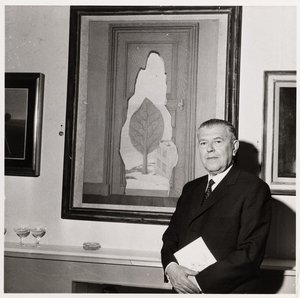
마그리트 레네
1898 - 1967 , 벨기에
주요 정보
- Artistic Movement Or Style: 초현실주의
- Artists Who Influenced This Artist: ['지오르조 디 치리코']
- Date Of Birth: November 21, 1898
- Date Of Death: August 15, 1967
- Full Name: René François Ghislain Magritte
- Nationality: 벨기에인
- Notable Artworks:
- 레 오베르스
- 이미지 기교의 속임수
- 시간 정지된 것
- Place Of Birth: Lessines, Belgium
관련 기사 더 보기

Beyond the Pipe: Decoding the Intellectual Depth and Surrealist Realism of René Magritte
Explore the profound enigma of René Magritte’s Surrealist Realism. From 'The Treachery of Images' to his veiled figures, discover how this Belgian master challenged reality through meticulous oil painting and psychological depth. A deep dive for discerning art collectors.

25 Iconic Pablo Picasso Masterpieces That Changed Art Forever
Journey through the revolutionary legacy of Pablo Picasso. From the haunting Blue Period to the groundbreaking Cubism, explore 25 iconic masterpieces that redefined art history. Find museum-quality reproductions and curated decor inspiration at AllPaintingsStore.com. Discover all masterpieces online.


