


 미리보기
미리보기
 공유하기
공유하기 공유하기
공유하기
 상세 정보
상세 정보 Guide
Guide

 다운로드
다운로드
 유사 작품
유사 작품 X-레이
X-레이 슬라이드 쇼
 통계 정보
통계 정보Count Ferdinand Adolf von Plettenberg and his Family
 Oil On Canvas
- WallArt
- Rococo
 1727
1727 92.0 x 74.0 cm
 미술관
미술관
 더 보기
더 보기
수제 유화 복제품
원하는 크기와 액자로 주문 제작되는, 작가들이 직접 캔버스에 손으로 그린 유화 작품입니다. ( 프린트 판매로 전환 디지털 이미지로 전환)




P118B $10

P118H $10

P118W $10

P438Z $10

P508JH $12

P508YH $12

P805H $10

P805Z $10

P919BZ $10

P919G $10

P919XJ $10

P959ZH $10

P968JZ $12

W106C $8

W218G $10

W218JH $8

W218Y $10

W307PJ $10

W316G $10

W316PJ $8

W316Y $10

W398PJ $8

W4111J $10

W500HY $15

W500JH $15

W692G $12

W849H $8

W940BG $15

W953PJ $8




작품의 원본 비율을 유지하는 미리 설정된 크기 중에서 선택하세요.

특정 프레임이나 공간에 맞도록 직접 크기를 입력할 수 있습니다. 선택하신 크기가 원본 이미지의 비율과 일치하지 않는 경우, 작품을 자르거나 추가적인 손으로 그린 요소를 사용하여 그림을 확장합니다. 제작 시작 전 승인을 위해 디지털 목업을 보내드립니다.
화면 미리 보기는 실제 자르기 또는 확장을 반영하지 않습니다. 최종 구성은 목업을 통해서만 정확하게 확인하실 수 있습니다.
맞춤 크기 제작도 가능하지만, 원본 비율을 유지하기 위해 사전 정의된 목록에서 크기를 선택하시는 것을 권장합니다.
주문 후 AllPaintingsStore.com 팀에서 상세 안내를 위해 고객님께 이메일을 보내드리며, 미리보기 시안을 제공해 드립니다.


 유리 옵션은 110cm 미만 크기에서만 선택 가능합니다.

Count Ferdinand Adolf von Plettenberg and his Family
재현 기법
복제본 크기
-


최종 결제 금액
$ 258
A Glimpse of Aristocratic Life: Robert Le Vrac de Tournières’ “Count Ferdinand Adolf von Plettenberg and His Family”
Robert Le Vrac de Tournières' 1727 painting, "Count Ferdinand Adolf von Plettenberg and His Family," is more than just a portrait; it’s a meticulously crafted window into the refined world of 18th-century European aristocracy. The scene unfolds within a richly appointed interior – likely a salon or drawing room – dominated by a stately fireplace and adorned with luxurious fabrics and decorative elements that speak to wealth and status. At its heart stands Count Ferdinand Adolf von Plettenberg, a man embodying the dignity and authority of his rank, seated alongside his wife and two young children. The composition is carefully balanced, radiating an aura of quiet elegance and familial warmth. Tournières’ skill lies not merely in capturing likenesses but in conveying a palpable sense of atmosphere – a feeling of comfortable grandeur and understated sophistication.The Delicate Dance of Dutch Intimacy and Rococo Style
Tournières' artistic style represents a fascinating transitional period within French art, skillfully blending the intimate character of Dutch genre paintings with the burgeoning lightness and ornamentation that would define the Rococo movement. He inherited from his teachers – Lucas Delahaye, Bon Boullogne, and Rigaud – a mastery of technique and an appreciation for detail, yet he infused this foundation with a distinctly personal vision. The painting’s palette is remarkably delicate, dominated by soft pastel hues—pale blues, pinks, creams, and golds—that create a luminous and airy effect. Notice the subtle gradations of light and shadow, meticulously rendered to sculpt the figures and imbue them with a sense of three-dimensionality. The drapery, particularly that of the Countess, is treated with exquisite attention, demonstrating Tournières’ ability to capture both its form and its flowing movement. This careful observation of texture and volume was a hallmark of his work, distinguishing him from more overtly dramatic painters of the era.Symbolism Woven into Domesticity
Beyond the straightforward depiction of a family portrait, “Count Ferdinand Adolf von Plettenberg and His Family” is rich in subtle symbolism. The carefully arranged furniture – the upholstered chairs, the ornate mantelpiece—reflects the wealth and taste of the household. The presence of the children suggests continuity and legacy, while the Count’s dignified posture embodies his role as a protector and provider. The fireplace itself, a central element of the composition, symbolizes warmth, family, and domesticity – core values within aristocratic society. Furthermore, the inclusion of a servant standing discreetly behind the group subtly acknowledges the hierarchical structure of the household, reinforcing the social order of the time. The painting’s overall effect is one of harmonious balance, where individual portraits contribute to a larger narrative about family, status, and the comforts of a privileged life.A Legacy Preserved: The Painter and His Artistic Context
Robert Le Vrac de Tournières (1667-1752) was a significant figure in 18th-century French art, recognized for his ability to capture both likenesses and atmosphere. He began his artistic journey under the tutelage of prominent masters, absorbing their techniques and developing his own distinctive style. Tournières’ work reflects a period of transition, bridging the formality of the Baroque era with the playful exuberance of Rococo. He was twice admitted into the Académie royale de peinture, first in 1702 for his portraiture skills, and again in 1716 as a history painter, showcasing his versatility. Despite not being considered among the most celebrated painters of his time, Tournières’ meticulous technique and refined execution earned him a respected place within the artistic community. His legacy endures through works like “Count Ferdinand Adolf von Plettenberg and His Family,” offering a captivating glimpse into the world of European aristocracy and the artistry of a talented transitional painter. Reproductions of this piece continue to be sought after by collectors and interior designers alike, appreciating its timeless elegance and evocative portrayal of family life.유사한 작품들


작가 약력
Robert Le Vrac de Tournières: A Life in Transition
Early Life and Education
Robert Le Vrac de Tournières was born in Caen, France, in 1667. His artistic journey began with studies under Lucas Delahaye, a respected painter of the time. He further honed his skills under the tutelage of Bon Boullogne and Rigaud, both prominent figures in French painting, setting the stage for a successful career.
Artistic Development and Style
Tournières’ artistic style reflects a fascinating transitional period within French art. He skillfully blended elements of Dutch intimacy – particularly evident in his genre scenes – with the emerging lightness and elegance that would come to define the Rococo style. His palette was noted for its delicate coloring, and he demonstrated a keen talent for capturing both pose and drapery. While not considered among the most powerful painters of his era, critics acknowledged his careful technique and refined execution.
Academic Recognition and Major Works
Tournières achieved significant recognition during his lifetime, being received into the Académie royale de peinture twice. The first acceptance in 1702 was based on his portraiture skills, specifically portraits of fellow artists Pierre Mosnier and Michel Corneille. His second reception in 1716, as a history painter, came with his work Invention of Drawing (1716), depicting a romantic scene illuminated by candlelight. Although many of his large-scale paintings have been lost to time, numerous smaller works survive, showcasing his mastery of detail and character portrayal.
Influences and Artistic Preoccupations
Tournières was deeply influenced by Dutch masters such as Godfried Schalken and Gerard Dou, dedicating considerable study to their techniques. This influence is visible in his attention to light, shadow, and the intimate portrayal of everyday life. He also drew inspiration from his teachers, incorporating elements of their styles into his own unique approach.
Later Life and Legacy
In 1737, Tournières was promoted to professeur auxiliaire, further solidifying his position within the artistic community. He continued to exhibit successfully at the Salon of 1742. However, he returned to Caen in 1749 and ceased painting. His father, an engraver, had familial connections through marriage to François Lemoyne. Despite fading from active practice, Tournières left behind a considerable body of portraits that remain highly regarded and are found in notable collections today.
Historical Significance
Robert Le Vrac de Tournières occupies an important place as a transitional figure in French art. He embodies the shift from the more formal Baroque style towards the lighter, more decorative Rococo aesthetic. His ability to synthesize Dutch realism with emerging French sensibilities makes his work particularly valuable for understanding the evolution of 18th-century painting.

robert le vrac de tournières
1667 - 1752 , France
주요 정보
- Birth Date: 1667
- Birth Place: Caen, France
- Death Date: 1752
- Influenced By:
- Lucas Delahaye
- Bon Boullogne
- Rigaud
- Godfried Schalken
- Gerard Dou
- Movement: Rococo, French Regency
- Name: Robert Le Vrac de Tournières
- Nationality: French
- Notable Works:
- Invention of Drawing (1716)
- Count Ferdinand Adolf von Plettenberg and his Family
관련 기사 더 보기

About Us
Discover our story! We bring world-class art into your life through expert curation, personalized creations, and free previews. Trusted by individuals and businesses since 2000.
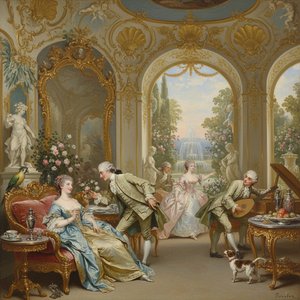
The Rococo Aesthetic: Opulence, Rebellion & the Pursuit of Pleasure in 18th-Century Art
Explore the opulent world of Rococo art! Discover its origins, key artists like Watteau & Boucher, and lasting influence on design. Expert insights for collectors & enthusiasts.

Maurice Quentin de La Tour: Light, Shadow & the Rococo Portrait
Explore the captivating world of Maurice Quentin de La Tour, a master of Rococo portraiture. Discover his innovative pastel techniques, intimate depictions of French aristocracy, and lasting artistic legacy. Learn more at AllPaintingsStore.
고야의 걸작 25선: 스페인의 영혼을 담은 명화 컬렉션 | AllPaintingsStore
고야의 걸작 25선을 만나보세요. 스페인 화가 Francisco Goya의 낭만주의 회화, 어두운 색조와 강렬한 감성이 담긴 명화를 AllPaintingsStore에서 감상하세요. 고품질 유화 복제본으로 예술 작품을 소장하고 홈 데코를 완성해보세요! 지금 바로 컬렉션을 탐험하세요.

휘황한 로코코 시대의 예술적 황금률: 10가지 걸작 탐구
화려함과 우아함의 절정, 로코코 미술! 부셰, 프라고나르 등 거장들의 걸작 10편을 통해 18세기 예술 황금시대를 만나보세요. AllPaintingsStore.com에서 박물관 수준의 명품 아트 프린트와 인테리어 영감을 얻으세요. 지금 바로 온라인 컬렉션을 탐험해보세요!

