


 실제 크기로 보기
 보내기
보내기 공유하기
공유하기
 상세 보기
상세 보기 가이드 보기

 이미지 다운로드
 유사 작품 더 보기
 X-레이
X-레이 슬라이드 쇼 보기
 통계 정보
통계 정보ML, sitting
 Painting
- Neue Wilde
 1993
1993- Contemporary
 188.0 x 227.0 cm
 Albertina Klosterneuburg
 상세 보기
상세 보기
이 페이지에 표시된 작품은 저작권법의 보호를 받으며, 이에 따라 동일한 복제품을 제작하거나 판매하는 것은 법으로 금지되어 있습니다. 이러한 권리 보호는 다음과 같은 국제 협약에 따라 시행됩니다. 베른 협약 또한 다음에서 명시하는 법률을 포함한 국내법에 의해 보호됩니다. 미국 저작권법 제17조.
저희는 존중을 담은 합법적인 대안으로서, 원작에서 영감을 받은 맞춤형 수제 유화 작품을 제공합니다. 저희의 숙련된 전문 화가들은 원작의 스타일, 분위기, 예술적 정수를 면밀히 연구하여, 그 자체로 독창적인 창작물이면서도 원작과 동일한 감동을 불러일으키는 새로운 작품을 만들어냅니다.
이 방식은 저작권 보호를 받는 예술 작품을 복제하거나 그대로 재현하는 것이 아니기에 저작권 규정을 완벽히 준수합니다. 대신, 이는 창의적인 재해석의 과정을 거칩니다. 즉, 원작에서 영감을 받되 원작과 동일하지 않은 새로운 회화 작품을 의미합니다.
핸드메이드 유화 복제화
작가가 직접 캔버스에 손으로 그린 유화 작품으로, 원하는 크기와 액자로 맞춤 제작해 드립니다. ( 프린트 판매로 전환 디지털 이미지 판매 채널로 전환)




P118B ₩10

P118H ₩10

P118W ₩10

P438Z ₩10

P508JH ₩12

P508YH ₩12

P805H ₩10

P805Z ₩10

P919BZ ₩10

P919G ₩10

P919XJ ₩10

P959ZH ₩10

P968JZ ₩12

W106C ₩8

W218G ₩10

W218JH ₩8

W218Y ₩10

W307PJ ₩10

W316G ₩10

W316PJ ₩8

W316Y ₩10

W398PJ ₩8

W4111J ₩10

W500HY ₩15

W500JH ₩15

W692G ₩12

W849H ₩8

W940BG ₩15

W953PJ ₩8




작품의 원본 비율을 그대로 유지하는 프리셋 사이즈 중에서 선택해 보세요.

액자나 벽면 크기에 맞춰 필요한 가로와 세로 길이를 입력해 주세요. 본 작품은 수작업으로 제작되므로, 요청하신 비율에 따라 작가가 그림의 가장자리를 조금 더 넓게 그리거나 일부를 조정하여 작업할 수 있습니다. 작업 시작 전, 최종 확인을 위해 디지털 목업 이미지를 보내드립니다. 이 페이지에 표시된 이미지는 실제 결과물과 다를 수 있으며, 오직 목업 이미지만이 정확한 결과물을 보여줍니다.
주문 완료 후 AllPaintingsStore.com 팀에서 상세 안내를 위해 고객님께 이메일을 보내드리며, 미리보기 시안을 함께 제공해 드립니다.


 유리 옵션은 110cm 미만 크기에서만 선택 가능합니다.

ML, sitting
재현 매체
복제본 규격
-


총 결제 금액
₩ 350118
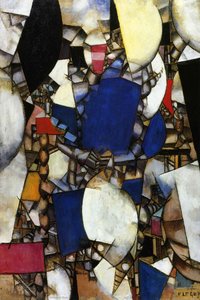
An Intimate Encounter with Solitude
In the evocative masterpiece ML, sitting, created in 1993, the viewer is invited into a profound moment of quiet introspection. The painting presents a portrait of a woman seated upon a chair, her form partially obscured by her own hands as they cover her face. This gesture, central to the composition, immediately establishes a sense of mystery and vulnerability. Clad in a serene blue shirt and a simple skirt, the subject rests against white cushions that offer a stark, clean contrast to the deeper tones of the piece. The background, rendered in lush, verdant greens, does more than merely provide depth; it creates an atmospheric cocoon that isolates the figure, drawing the eye inward toward her silent, internal struggle or perhaps her peaceful retreat from the world.
The work serves as a poignant window into the psyche, where the physical act of hiding one's face becomes a powerful symbol of the universal human experience. It speaks to those moments of grief, shame, or even deep meditation where the external world must be shut out to process the internal landscape. For the collector or interior designer, this piece offers a sophisticated emotional anchor, providing a focal point that encourages contemplation and stillness within a living space.
The Expressive Legacy of the Neue Wilde
To understand the technical brilliance and emotional weight of ML, sitting, one must look to the artistic lineage of its creator, Siegfried Anzinger. As a pivotal figure in the Neue Wilde movement, Anzinger brought a raw, uninhibited energy to the canvas, challenging the sterile academicism of his era with vibrant color and existential urgency. This painting, though possessing a certain stillness, carries the DNA of that movement through its intense engagement with color and form.
Anzinger’s technique is characterized by an almost obsessive layering of emotion and pigment. In this work, the interplay between the cool blues of the subject's attire and the deep, enveloping greens of the background demonstrates a masterful command over color temperature to evoke mood. The brushwork, while contributing to a cohesive scene, retains a palpable sense of life, ensuring that the painting feels less like a static image and more like a captured breath. It is this tension between the stillness of the subject and the vibrant energy of the execution that makes Anzinger’s work so enduringly captivating for modern audiences.
A Timeless Addition to the Curated Home
For those seeking to infuse their interiors with art that possesses both intellectual depth and aesthetic grace, ML, sitting stands as an exemplary choice. The large-scale presence of the work—measuring an impressive 188 x 227 cm—allows it to command a room, acting as a window into a different emotional dimension. Its palette of blues, whites, and greens is versatile enough to complement contemporary minimalist decors or more traditional, classic settings, providing a sophisticated touch of Austrian expressionism.
Owning a high-quality reproduction of such a significant work allows for the appreciation of Anzinger's complex textures and profound themes. It is an investment in atmosphere, bringing into a home a piece that does not merely decorate a wall but narrates a story of human resilience, privacy, and the beautiful complexity of the soul. Whether placed in a quiet study or a grand salon, this painting promises to spark conversation and provide a lasting source of visual and emotional inspiration.
질의응답
Siegfried Anzinger의 "ML, sitting"의 색채는 작품의 감정과 어떻게 연결되나요?
Siegfried Anzinger의 "ML, sitting"은(는) Neutrals 색조의 팔레트와 Melancholic 분위기가 조화를 이룹니다.
Siegfried Anzinger의 "ML, sitting"은 어느 시대에 제작되었나요?
Siegfried Anzinger의 "ML, sitting"의 역사적 시기는 Contemporary입니다. 이러한 분류는 미술사적 맥락에서 해당 작품의 위치를 정의합니다.
Siegfried Anzinger의 "ML, sitting"의 분위기는 어떻게 묘사되나요?
Siegfried Anzinger의 "ML, sitting"의 전반적인 분위기는 Dramatic입니다. 이 분위기는 작품의 전반적인 공기를 설명합니다.
관련 작품들




작가 소개
Siegfried Anzinger: A Chronicle of Intense Color and Existential Exploration
Siegfried Anzinger, born in Weyer, Austria, on February 25, 1953, is a pivotal figure within the “Neue Wilde” movement – a group that challenged established artistic norms with its raw emotion, vibrant color palettes, and often unsettling subject matter. His work, deeply rooted in Austrian identity yet resonating globally, explores fundamental human experiences: love, pain, sexuality, loneliness, and ultimately, mortality. Anzinger’s career is characterized by an almost obsessive engagement with his chosen medium, a relentless cycle of creation and re-creation that results in paintings layered with complexity and imbued with a palpable sense of urgency.Early Years and Artistic Formation
Anzinger's artistic journey began at the Academy of Fine Arts in Vienna (1971-1977), where he studied under Professor Maximilian Melcher. This formative period laid the groundwork for his distinctive style, though it was a conscious departure from traditional academic training. He sought to dismantle conventional approaches and forge his own path, driven by a desire to push the boundaries of painting itself. Following his time in Vienna, Anzinger relocated to Cologne in 1981, immersing himself within the burgeoning avant-garde scene of West Germany. This move proved crucial, exposing him to new influences and solidifying his position within the “Neue Wilde” collective – a group that prioritized direct emotional expression over meticulous representation.The "Neue Wilde" Aesthetic: Color, Texture, and Raw Emotion
Central to Anzinger’s artistic identity is his association with the “Neue Wilde.” This movement, emerging in the late 1970s and early 1980s, rejected the polished surfaces and intellectualism of previous generations. Instead, it embraced a visceral approach, utilizing bold colors, broad brushstrokes, and often fragmented compositions to convey intense emotional states. Anzinger’s paintings are immediately recognizable for their saturated hues – fiery reds, deep blues, and acidic yellows – applied with a frenetic energy that suggests both urgency and exhaustion. His technique is characterized by a layering process; he repeatedly adds and subtracts paint, building up complex textures and creating an illusion of constant evolution within each work. This “non-finito” quality—a deliberate avoidance of completion—is not simply a stylistic choice but reflects the artist’s engagement with the inherent instability of human experience.Key Exhibitions and Recognition
Anzinger's work has been consistently recognized through numerous solo and group exhibitions both nationally and internationally. A significant milestone occurred in 1988 when he participated in the Austrian Pavilion at the Venice Biennale, a testament to his growing recognition within the art world. His inclusion in documenta 7 (1982) further cemented his position as a leading contemporary artist. Throughout his career, Anzinger has exhibited at prestigious galleries and museums worldwide, including the Gemeentemuseum Den Haag and the Max Weber Gallery. In 2003, he received the Austrian State Prize for Fine Arts, acknowledging his enduring contribution to Austrian art.Themes of Existentialism and Personal Reflection
Beneath the vibrant surface of Anzinger’s paintings lies a profound exploration of existential themes. He frequently tackles subjects such as love, pain, sexuality, loneliness, fear, and death – fundamental aspects of the human condition that he approaches with unflinching honesty. His work is not didactic; it doesn't offer easy answers or resolutions. Instead, it presents these complex emotions in a raw and immediate manner, inviting viewers to confront their own experiences of vulnerability and uncertainty. As one source notes, his paintings “deal with basic existential problems such as love, sexuality, pain, loneliness, fear and death.” His oeuvre is a testament to the enduring power of art to grapple with the most challenging aspects of our shared human experience.- Notable Works: Untitled (1997) – A layered oil painting exploring atmospheric hues and subtle figures.
- Influences: John van ‘t Slot, Bacon
- Current Status: Still actively creating and exhibiting.
For further information, please refer to the resources listed below:

Siegfried Anzinger
1953 - , Austria
작가 정보 요약
- Full Name: Siegfried Anzinger
- Nationality: Austrian
- Date Of Birth: 1953
- Place Of Birth: Weiz, Austria
- Notable Artworks:
- Untitled (1997)
- Various paintings
- Artistic Movement Or Style: Neue Wilde
- Artists Who Influenced This Artist: ['Maximilian Melcher']
- Artists Or Movements Influenced By This Artist:
- Franz Kaiser
- John van ‘t Slot”
관련 기사

Azure Visions: Exploring Representations of the Blue Dress in Western Art History
Explore the rich history of the blue dress in Western art! Discover its symbolism, from Renaissance masterpieces to modern interpretations by artists like Martin & Schiele. Uncover cultural meanings and artistic techniques.

The Allure of Azure: Exploring the Symbolic & Aesthetic Depths of Blue in Art History
Explore the rich history of blue in art! Discover its symbolism, from ancient pigments to modern masterpieces by Kandinsky & Seurat. Uncover the psychological impact and cultural meanings behind this captivating hue.
클로드 모네의 걸작 25선: 빛과 색채로 물든 예술 세계 | AllPaintingsStore
클로드 모네의 시대를 초월한 걸작 25선을 만나보세요. 인상주의 화가 모네의 빛과 색채, 그리고 숨겨진 이야기를 AllPaintingsStore에서 감상하세요. 거실, 침실을 위한 고급 미술 작품 컬렉션을 지금 바로 탐험해보세요! AllPaintingsStore.com
Slate Blue Masterpieces: 10 Iconic Paintings & Timeless Home Decor Ideas
Immerse yourself in the captivating world of slate blue! Explore 10 iconic paintings by Monet, Van Gogh & Renoir. Discover their stories, techniques & find museum-quality art reproductions for your home at .

Neue Sachlichkeit: Objectivity, Realism & Social Commentary in Interwar German Art
Explore Neue Sachlichkeit – the pivotal German art movement critiquing Weimar society with unflinching realism. Discover key artists like Dix & Grosz, its historical context, and collecting insights for discerning investors.

