


 미리보기
미리보기
 프린트 구매
 공유하기
공유하기 공유하기
공유하기
 상세 정보
상세 정보

 다운로드
다운로드
 유사 작품
유사 작품 X-레이
X-레이 슬라이드 쇼
Substrat 30 I

 더 보기
더 보기




































작품의 원본 비율을 유지하는 미리 설정된 크기 중에서 선택하세요.

특정 프레임이나 공간에 맞도록 직접 크기를 입력할 수 있습니다. 선택하신 크기가 원본 이미지의 비율과 일치하지 않는 경우, 작품을 자르거나 추가적인 손으로 그린 요소를 사용하여 그림을 확장합니다. 제작 시작 전 승인을 위해 디지털 목업을 보내드립니다.
화면 미리 보기는 실제 자르기 또는 확장을 반영하지 않습니다. 최종 구성은 목업을 통해서만 정확하게 확인하실 수 있습니다.
맞춤 크기 제작도 가능하지만, 원본 비율을 유지하기 위해 사전 정의된 목록에서 크기를 선택하시는 것을 권장합니다.
주문 후 AllPaintingsStore.com 팀에서 상세 안내를 위해 고객님께 이메일을 보내드리며, 미리보기 시안을 제공해 드립니다.


 유리 옵션은 110cm 미만 크기에서만 선택 가능합니다.

Substrat 30 I
재현 기법
복제본 크기
-


최종 결제 금액
$ 258
유사한 작품들
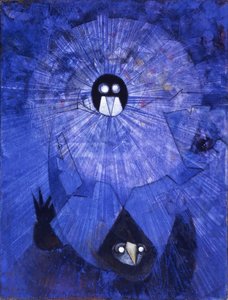

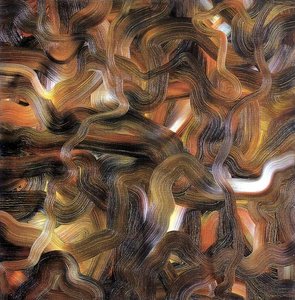

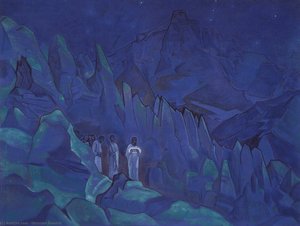


작가 약력
A Master of Reimagined Realities: The World of Thomas Ruff
Thomas Michael Ruff, a name synonymous with conceptual rigor and photographic innovation, has carved an indelible mark on the landscape of contemporary art. Born in 1958 in Zell am Harmersbach, Germany, Ruff’s artistic journey began not with a definitive stylistic declaration but with a deep engagement with the foundational principles of photography—principles instilled during his formative years at the Kunstakademie Düsseldorf under the tutelage of Bernd and Hilla Becher. This period proved pivotal, shaping his meticulous approach to image-making and fostering an enduring fascination with typology, the systematic categorization of visual forms. The Bechers’ influence wasn't about imitation; rather, it provided Ruff with a bedrock understanding of photographic technique and a framework for analytical observation that he would later brilliantly subvert and expand upon. He currently resides and works in Düsseldorf, sharing a studio space – a veritable hub of artistic energy – with fellow photographers Laurenz Berges, Andreas Gursky, and Axel Hütte, solidifying his position within the influential Düsseldorf School of photography.From Typology to Transformation: The Evolution of a Vision
Ruff’s early work demonstrably echoed the Bechers' typological approach, yet he quickly diverged from their focus on industrial architecture. He began exploring portraits and interiors, but these were not straightforward depictions of reality. Even in his initial series, a subtle questioning of representation was present—a hint of the conceptual depth that would come to define his oeuvre. The true turning point arrived with Ruff’s embrace of digital manipulation. This wasn't merely about adding effects; it was about fundamentally altering the nature of the photographic image itself. He began sourcing pre-existing photographs – often from historical archives or amateur collections – and subjecting them to a process of digital transformation, blurring, pixelating, distorting, and abstracting until they became something entirely new. This deliberate intervention challenged conventional notions of authorship, authenticity, and the very idea of photography as an objective record of reality. He wasn’t interested in capturing a moment; he was interested in deconstructing and reimagining it.Conceptual Series: Exploring the Boundaries of Perception
Ruff's artistic output is characterized by distinct series, each exploring specific themes and pushing the boundaries of photographic practice. His *Portraits*, perhaps his most recognizable work, are unsettling yet compelling representations of human faces sourced from found photographs. These aren’t portraits in the traditional sense; they are ghostly apparitions, fragmented identities rendered ambiguous through digital distortion. Similarly, his *Nudes* utilize found imagery, transforming bodies into abstract compositions that prioritize form and texture over individual representation. The *Landscapes* series takes this exploration further, manipulating satellite or aerial photographs to create vast, almost otherworldly vistas that challenge our perception of scale and distance. Perhaps most strikingly, the *Substrat* series demonstrates Ruff’s willingness to venture beyond traditional photographic subjects altogether. Utilizing images from astronomical archives, he creates abstract compositions that blur the lines between photography and painting, inviting viewers to contemplate the very nature of visual representation. These series aren't isolated experiments; they are interconnected investigations into the power and limitations of the photographic medium.Historical Significance and Lasting Influence
Thomas Ruff’s contribution to contemporary art extends far beyond his individual artworks. He is a key figure in elevating photography from a purely documentary practice to a recognized fine art form, challenging its traditional role as a mirror reflecting reality. His rigorous methodology, intellectual curiosity, and willingness to embrace technological innovation have profoundly influenced generations of artists. By questioning the authenticity and objectivity of images in an increasingly mediated world, Ruff anticipated many of the concerns that dominate contemporary visual culture. He doesn’t offer easy answers; instead, he presents us with a series of provocations—images that demand careful consideration and invite us to question our own perceptions. His work is not simply about what we see, but about how we see it. Ruff's legacy lies in his ability to continually redefine the possibilities of photography, demonstrating its capacity for conceptual depth, formal innovation, and enduring artistic relevance.Key Influences & Affiliations
- Bernd and Hilla Becher: Provided foundational training in photographic technique and typological documentation.
- Düsseldorf School: A collective of photographers known for conceptual rigor and large-scale works, emphasizing the formal qualities of photography.

Thomas Michael Ruff
1958 - , Germany
주요 정보
- Artistic Movement Or Style: Conceptual Photography
- Artists Or Movements Influenced By This Artist: ['Düsseldorf School']
- Artists Who Influenced This Artist:
- Bernd Becher
- Hilla Becher
- Date Of Birth: 1958
- Full Name: Thomas Michael Ruff
- Nationality: German
- Notable Artworks: ['Substrat 30 I']
- Place Of Birth: Zell am Harmersbach, Germany



