


 미리보기
미리보기
 프린트 구매
 공유하기
공유하기 공유하기
공유하기
 상세 정보
상세 정보

 다운로드
다운로드
 유사 작품
유사 작품 X-레이
X-레이 슬라이드 쇼
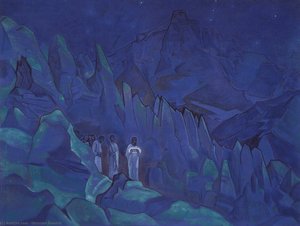
The ferry
 더 보기
더 보기




































작품의 원본 비율을 유지하는 미리 설정된 크기 중에서 선택하세요.

특정 프레임이나 공간에 맞도록 직접 크기를 입력할 수 있습니다. 선택하신 크기가 원본 이미지의 비율과 일치하지 않는 경우, 작품을 자르거나 추가적인 손으로 그린 요소를 사용하여 그림을 확장합니다. 제작 시작 전 승인을 위해 디지털 목업을 보내드립니다.
화면 미리 보기는 실제 자르기 또는 확장을 반영하지 않습니다. 최종 구성은 목업을 통해서만 정확하게 확인하실 수 있습니다.
맞춤 크기 제작도 가능하지만, 원본 비율을 유지하기 위해 사전 정의된 목록에서 크기를 선택하시는 것을 권장합니다.
주문 후 AllPaintingsStore.com 팀에서 상세 안내를 위해 고객님께 이메일을 보내드리며, 미리보기 시안을 제공해 드립니다.


 유리 옵션은 110cm 미만 크기에서만 선택 가능합니다.

The ferry
재현 기법
복제본 크기
-


최종 결제 금액
$ 258
유사한 작품들





작가 약력
Early Life and Artistic Beginnings
Walker Stuart Lloyd, born in the United Kingdom in 1845, emerged as a significant figure within the British landscape painting tradition of the late Victorian era. While detailed biographical information remains somewhat elusive, his artistic journey reflects a deep connection to the natural world, particularly the picturesque scenes of Wales and the industrial landscapes surrounding Liverpool. The specifics of his early training are not widely documented; however, his work suggests an apprenticeship or self-directed study focused on capturing the nuances of light, atmosphere, and the subtle beauty found in both rural tranquility and urban environments. Lloyd’s initial artistic endeavors likely involved plein air painting – working directly from nature – a practice that would become central to his style and enduring appeal. He developed a keen eye for detail and an ability to convey a sense of place with remarkable sensitivity.A Focus on British Landscapes
Lloyd dedicated his career primarily to depicting the landscapes of Britain, establishing himself as a chronicler of both the idyllic countryside and the evolving industrial scenes of his time. His paintings often feature the Welsh countryside, showcasing rolling hills, meandering rivers, and charming villages bathed in soft light. He also frequently turned his attention to the River Mersey and the surrounding areas of Liverpool, capturing the bustling activity of port life alongside quieter pastoral views. His work stands as a testament to the beauty found within both the natural world and the changing face of Victorian Britain. Unlike many artists who focused solely on one subject matter, Lloyd demonstrated versatility in his approach, seamlessly transitioning between serene rural scenes and dynamic depictions of urban life. This breadth of subject matter allowed him to appeal to a wide audience and establish a strong reputation as a painter capable of capturing the essence of British identity.Influences and Artistic Style
While not explicitly aligned with any single artistic movement, Lloyd’s work reveals influences from several key sources. The Pre-Raphaelite Brotherhood's emphasis on detailed observation and naturalism can be seen in his meticulous rendering of foliage, water, and architectural elements. However, Lloyd’s style is generally less overtly symbolic or narrative than that of the Pre-Raphaelites; instead, he prioritized capturing the atmospheric qualities of a scene and conveying a sense of tranquility. His paintings often exhibit an impressionistic quality, with loose brushwork and a focus on the interplay of light and shadow. The Barbizon school’s influence is also apparent in his dedication to plein air painting and his realistic depiction of rural life. He blended these influences into a unique style characterized by muted tones, subtle harmonies, and a remarkable ability to evoke a sense of place.Major Achievements and Recognition
Throughout his career, Walker Stuart Lloyd exhibited his work at various galleries and art societies, gaining recognition for his captivating landscapes. His paintings are now held in prominent public collections, including the Walker Art Gallery and National Museums Liverpool, solidifying his position as an important figure within British 19th-century painting.- “View of Worcester” exemplifies his impressionistic style and mastery of capturing light on water.
- “Sheep in Pasture” showcases his ability to evoke tranquility and harmony in pastoral scenes.
- Paintings depicting the River Lynter in South Devon demonstrate his skill in portraying coastal landscapes.
Historical Significance and Legacy
Walker Stuart Lloyd's historical significance lies in his ability to capture a specific moment in time – the transition from rural Britain to an increasingly industrialized society. His paintings offer valuable insights into the landscapes, lifestyles, and social changes of the Victorian era. He documented not only the picturesque beauty of the countryside but also the evolving urban environments that were shaping the nation. His work provides a visual record of a bygone era, allowing viewers to connect with the past in a tangible way. Though his biography remains relatively obscure, Lloyd’s paintings endure as testaments to his artistic skill and enduring appreciation for the beauty of the British landscape. His legacy continues through the preservation of his artwork in public collections and the ongoing interest in his captivating depictions of Wales, Liverpool, and beyond.
walker stuart lloyd
1845 - 1929 , United Kingdom
주요 정보
- Artistic Movement Or Style: Pre-Raphaelite Style
- Date Of Birth: 1845
- Date Of Death: 1929
- Full Name: Walker Stuart Lloyd
- Nationality: British
- Notable Artworks:
- View of Worcester
- Sheep in Pasture
- A Mile from the Sea
- Place Of Birth: United Kingdom



