


 실제 크기로 보기
 보내기
보내기 공유하기
공유하기
 상세 보기
상세 보기 가이드 보기

 이미지 다운로드
 유사 작품 더 보기
 X-레이
X-레이 슬라이드 쇼 보기
 통계 정보
통계 정보Emperor


 상세 보기
상세 보기
핸드메이드 유화 복제화
작가가 직접 캔버스에 손으로 그린 유화 작품으로, 원하는 크기와 액자로 맞춤 제작해 드립니다. ( 프린트 판매로 전환 디지털 이미지 판매 채널로 전환)




P118B ₩10

P118H ₩10

P118W ₩10

P438Z ₩10

P508JH ₩12

P508YH ₩12

P805H ₩10

P805Z ₩10

P919BZ ₩10

P919G ₩10

P919XJ ₩10

P959ZH ₩10

P968JZ ₩12

W106C ₩8

W218G ₩10

W218JH ₩8

W218Y ₩10

W307PJ ₩10

W316G ₩10

W316PJ ₩8

W316Y ₩10

W398PJ ₩8

W4111J ₩10

W500HY ₩15

W500JH ₩15

W692G ₩12

W849H ₩8

W940BG ₩15

W953PJ ₩8




작품의 원본 비율을 그대로 유지하는 프리셋 사이즈 중에서 선택해 보세요.

액자나 벽면 크기에 맞춰 필요한 가로와 세로 길이를 입력해 주세요. 본 작품은 수작업으로 제작되므로, 요청하신 비율에 따라 작가가 그림의 가장자리를 조금 더 넓게 그리거나 일부를 조정하여 작업할 수 있습니다. 작업 시작 전, 최종 확인을 위해 디지털 목업 이미지를 보내드립니다. 이 페이지에 표시된 이미지는 실제 결과물과 다를 수 있으며, 오직 목업 이미지만이 정확한 결과물을 보여줍니다.
주문 완료 후 AllPaintingsStore.com 팀에서 상세 안내를 위해 고객님께 이메일을 보내드리며, 미리보기 시안을 함께 제공해 드립니다.


 유리 옵션은 110cm 미만 크기에서만 선택 가능합니다.

Emperor
재현 매체
복제본 규격
-


총 결제 금액
₩ 587145
A Grand Procession in Wood and Ink
In the delicate interplay of line and pigment, Watanabe Nobukazu’s "Emperor" emerges as a breathtaking window into the ceremonial splendor of Meiji-era Japan. This large-scale Ukiyo-e woodblock print captures a moment of profound historical gravity, presenting an imperial procession that feels both monumental and intimate. Through four meticulously arranged panels, the viewer is invited to witness a choreographed display of power and tradition. The composition is masterfully balanced; while the figures are ensconced within ornate interiors and stately outdoor settings, a central, unifying tree and wandering birds act as silent witnesses to the unfolding event. This structural harmony guides the eye across the landscape of the print, creating a sense of continuous movement that mimics the very procession it depicts.
The technique employed by Nobukazu is a testament to the enduring mastery of the woodblock medium. Each stroke is defined by expressive, precise lines that delineate the intricate patterns of ceremonial robes and the architectural grandeur of the setting. The color palette is a sophisticated arrangement of warm, earthy tones—muted ochres, deep browns, and soft creams—which lends the artwork a dignified, antique atmosphere. This subdued tonality avoids the garishness often found in later prints, opting instead for a refined aesthetic that emphasizes texture and depth through the careful layering of pigments on paper. For the discerning collector or interior designer, this print offers a subtle yet commanding presence, capable of anchoring a room with its historical weight and tonal elegance.
Symbolism and the Spirit of an Era
Beyond its visual splendor, "Emperor" is rich with the symbolic language of Japanese tradition. Every element within the frame serves to reinforce themes of longevity, prosperity, and the divine authority of the Imperial line. The prominent tree, standing as a sentinel across the panels, is not merely a landscape feature but a potent symbol of endurance and the deep roots of the nation. Similarly, the inclusion of birds introduces an element of good fortune, weaving a narrative of peace and auspicious beginnings into the formal state ceremony. The elaborate attire of the figures—detailed with painstaking precision—serves as a visual shorthand for social hierarchy and the meticulous preservation of cultural identity during a period of rapid modernization.
To possess or display a reproduction of this work is to engage with a pivotal moment in art history. As a student of the legendary Yōshū Chikanobu, Watanabe Nobukazu possessed the unique ability to document the shifting tides of the Sino-Japanese and Russo-Japanese Wars while maintaining the classical beauty of the Ukiyo-e tradition. "Emperor" captures this duality perfectly: it is a piece that feels deeply rooted in the past yet vibrates with the energy of a nation stepping onto the global stage. The emotional impact is one of profound respect and quiet awe, making it an ideal centerpiece for those who seek art that tells a story of resilience, dignity, and the timeless beauty of Japanese heritage.
질의응답
"Emperor" 작품은 명암 대비가 강한 편인가요?
Watanabe Nobukazu의 "Emperor"은(는) 밝은 부분과 어두운 부분 사이의 Gentle 대비를 보여줍니다.
"Emperor"의 작가인 Watanabe Nobukazu는 다른 이름으로도 알려져 있나요?
Watanabe Nobukazu은(는) Yosai Nobukazu(으)로도 알려져 있습니다.
"Emperor"은(는) 언제 제작되었나요?
Watanabe Nobukazu의 "Emperor"은(는) 1900년에 제작되었습니다.
관련 작품들


작가 소개
The Visionary Chronicler of a Changing Japan
In the sweeping tapestry of Japanese art history, few figures capture the dramatic transition from tradition to modernity as poignantly as Watanabe Nobukazu. Born Shimada Jirō around 1872, this master printmaker emerged during an era defined by profound geopolitical shifts and internal transformation. His life and work serve as a visual bridge between the classical elegance of the Edo period's lingering aesthetics and the raw, cinematic intensity of Japan’s emergence as a global power. As a student of the legendary Yōshū Chikanobu, Nobukazu inherited a profound respect for the meticulous craftsmanship of the Ukiyo-e tradition, yet he possessed a unique, contemporary pulse that allowed him to document the turbulent winds of the Sino-Japanese and Russo-Japanese wars with unparalleled vigor.
The foundation of Nobukazu’s artistry was laid through rigorous training in calligraphy and painting, disciplines that instilled in him a reverence for the precision of line. Under Chikanobu’s mentorship, he learned to navigate the delicate balance between decorative beauty and narrative depth. This early education did more than just teach him technique; it provided him with the vocabulary to translate complex historical narratives into the medium of woodblock printing. His ability to weave together the fine, rhythmic lines characteristic of his master with a burgeoning sense of realism allowed him to create works that were not merely art, but essential historical documents.
The Drama of Conflict and the Mastery of Print
Nobukazu’s ascent to international prominence was inextricably linked to the martial fervor of his time. During the Sino-Japanese War (1894–1895), he became a prolific chronicler of the battlefield, producing elaborate triptychs that captured the heat of combat and the strategic grandeur of military maneuvers. His depictions of pivotal engagements, such as those at Liaodong harbor and Pyongyang, are celebrated for their theatrical composition and breathtaking realism. In these prints, the viewer is not a distant observer but an eyewitness to the smoke, the movement of troops, and the heavy atmosphere of conflict. He utilized the multi-panel format of the triptych to create expansive, panoramic vistas that mirrored the scale of the wars themselves.
Beyond the battlefield, Nobukazu demonstrated a remarkable versatility in capturing the ceremonial and the serene. His masterpiece, "Emperor," stands as a testament to his ability to evoke the solemnity of the Meiji era. In this work, he moves away from the chaos of war to present an imperial procession characterized by profound historical gravity. Through a sophisticated palette of muted ochres, deep browns, and soft creams, he creates an atmosphere of dignified antiquity. The print is a masterclass in structural harmony, where:
- Intricate Line Work delineates the complex patterns of ceremonial robes and architectural grandeur.
- Layered Pigments provide a sense of texture and depth that avoids garishness in favor of refined elegance.
- Symbolic Elements, such as wandering birds and sentinel trees, act as silent witnesses to the unfolding imperial splendor.
A Lasting Legacy in Wood and Ink
The historical significance of Watanabe Nobukazu lies in his role as a visual historian. While many artists of his era remained tethered to purely decorative themes, Nobukazu embraced the dynamism of his age. His work captures the dual identity of Japan at the turn of the century: a nation deeply rooted in its ancestral traditions yet aggressively marching toward a modern, industrial future. His technique—a seamless blend of Chikanobu’s meticulous detail and an expressive, almost cinematic use of color—ensured that his prints possessed both a timeless aesthetic and a contemporary urgency.
Today, the legacy of Nobukazu continues to resonate with scholars and collectors who seek to understand the soul of Meiji-era Japan. His ability to translate the ephemeral moments of war and the enduring rituals of the state into the permanent medium of woodblock printing ensures his place in the pantheon of great Japanese printmakers. Through his eyes, we do not just see history; we feel the weight of its progression, the tension of its battles, and the quiet dignity of its most sacred traditions.

Watanabe Nobukazu
1872 - 1944 , Japan
작가 정보 요약
- Full Name: Watanabe Nobukazu (渡辺延一)
- Nationality: Japanese
- Date Of Birth: 1872
- Date Of Death: 1944
- Place Of Birth: Japan
- Notable Artworks:
- Imperial Prosperity: Ceremony in the Eastern Capital
- Illustration of the Attack on the Hōōjyo (Hōōjyo kogeki no zu)
- Triumphal Return of Victorious Japanese Imperial Army from Asan
- Bronze Statue of Saigō in Ueno Park,
- Watanabe Nobukazu
- Artistic Movement Or Style: Ukiyo-e
- Artists Who Influenced This Artist: ['Yōshū Chikanobu']
- Artists Or Movements Influenced By This Artist: ['Utagawa School']
관련 기사

Mastering the Woodblock Print: A Definitive Guide to the Timeless Art of Ukiyo-e and Beyond
Explore the profound artistry of woodblock printing. From Ukiyo-e masters like Kuniyoshi to modern techniques, discover the intricate history, carving processes, and enduring legacy of this timeless printmaking tradition.

Ukiyo-e: The Art of the Floating World and the Legacy of Japanese Woodblock Masters
Explore the profound history of Ukiyo-e, from Hokusai's iconic waves to the vibrant culture of Edo Japan. Discover the intricate craft of woodblock printing and the enduring legacy of these Japanese masterpieces through our expert art history guide.
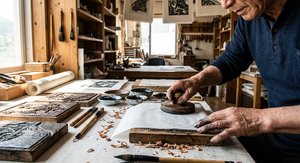
The Enduring Legacy of Woodblock Printmaking: Technique, History & Artistic Expression
Explore the rich history of woodblock printmaking – from ancient techniques to Ukiyo-e masterpieces. Discover expert insights on collecting, preserving & appreciating this enduring art form.

가츠시카 호쿠사이 최고 걸작 25선: 우키요에의 정수를 만나다 | AllPaintingsStore
가츠시카 호쿠사이의 최고 걸작 25선을 만나보세요. 우키요에, 대판화 기법과 후지산 풍경의 아름다움을 담은 명작들을 감상하고, AllPaintingsStore에서 고품질 아트 프린트와 인테리어 액자를 찾아보세요. 지금 바로 컬렉션을 탐험하세요!

Ukiyo-e: Exploring Japan's Floating World & Enduring Artistic Legacy
Explore the captivating world of Ukiyo-e – Japan's iconic woodblock prints! Discover masters like Hokusai & Hiroshige, learn about Edo period culture, and find expert art collecting guidance at AllPaintingsStore.

