


 미리보기
미리보기
 공유하기
공유하기 공유하기
공유하기
 상세 정보
상세 정보 Guide
Guide

 다운로드
다운로드
 유사 작품
유사 작품 X-레이
X-레이 슬라이드 쇼
 통계 정보
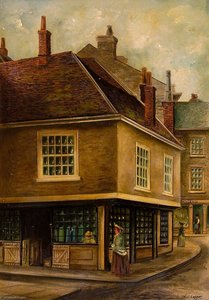
통계 정보Upper Brook Street, Corner Tavern Street, Ipswich
 Contemporary Realism
 76.0 x 102.0 cm
 더 보기
더 보기
수제 유화 복제품
원하는 크기와 액자로 주문 제작되는, 작가들이 직접 캔버스에 손으로 그린 유화 작품입니다. ( 프린트 판매로 전환 디지털 이미지로 전환)




































작품의 원본 비율을 유지하는 미리 설정된 크기 중에서 선택하세요.

특정 프레임이나 공간에 맞도록 직접 크기를 입력할 수 있습니다. 선택하신 크기가 원본 이미지의 비율과 일치하지 않는 경우, 작품을 자르거나 추가적인 손으로 그린 요소를 사용하여 그림을 확장합니다. 제작 시작 전 승인을 위해 디지털 목업을 보내드립니다.
화면 미리 보기는 실제 자르기 또는 확장을 반영하지 않습니다. 최종 구성은 목업을 통해서만 정확하게 확인하실 수 있습니다.
맞춤 크기 제작도 가능하지만, 원본 비율을 유지하기 위해 사전 정의된 목록에서 크기를 선택하시는 것을 권장합니다.
주문 후 AllPaintingsStore.com 팀에서 상세 안내를 위해 고객님께 이메일을 보내드리며, 미리보기 시안을 제공해 드립니다.


 유리 옵션은 110cm 미만 크기에서만 선택 가능합니다.

Upper Brook Street, Corner Tavern Street, Ipswich
재현 기법
복제본 크기
-


최종 결제 금액
$ 258
유사한 작품들



작가 약력
William John Leggett: A Suffolk Streetscape in Oil
The Ipswich artist William John Leggett (1856-1936) wasn’t a name widely celebrated during his lifetime, yet his meticulous paintings of Victorian Suffolk offer an invaluable window into the daily life and architectural details of a rapidly changing England. More than just topographical records, Leggett's works—particularly his street scenes—capture a specific mood, a sense of quiet observation mingled with a keen eye for detail and a subtle understanding of light and shadow. He wasn’t striving for grand romanticism; instead, he presented the familiar rhythms of Ipswich life – the bustle of market days, the shadows lengthening on cobbled streets, the weathered faces of its inhabitants – with remarkable precision and understated charm.
Born in 1856 into a family of modest means, Leggett’s early life was shaped by the industrial landscape of Ipswich. His father worked as a maltster, and young William began his working life as a foundry labourer. However, he possessed an innate artistic sensibility, nurtured perhaps by his parents' involvement in local literary circles. He transitioned into decorative painting, eventually establishing himself as a respected artist known for his ability to render the nuances of urban environments with remarkable accuracy. His career unfolded largely within Ipswich, and it was here that he developed his signature style – detailed, realistic depictions of everyday scenes, often imbued with a melancholic beauty.
Leggett’s artistic development can be traced through his prolific output during the late 19th and early 20th centuries. He wasn't formally trained in the traditional sense; he was largely self-taught, honing his skills through diligent observation and practice. His technique is characterized by a meticulous approach to rendering surfaces – the rough texture of brickwork, the sheen of polished metal, the folds of clothing. He employed a limited palette, favoring muted earth tones and subtle gradations of color, creating a sense of atmospheric depth and realism. A key influence on his work was likely the rise of Realism in art, which emphasized depicting subjects truthfully and without idealization. However, Leggett’s style transcends mere imitation; he imbued his scenes with a distinct emotional resonance.
Key Works and Locations
Leggett's most celebrated works depict street scenes within Ipswich, offering a remarkably detailed record of the town’s Victorian architecture and social life. “Corner, Brook Street, Old Buttermarket, Ipswich” (1906) is perhaps his most iconic painting – a vibrant snapshot of a bustling market day, complete with vendors, shoppers, and the distinctive signage of ‘Wonders of Lyon’. The inclusion of this foreign advertisement speaks volumes about Ipswich’s place within the wider British economy. “Dog's Head Street, Suffolk” (circa 1890) captures a quieter moment, showcasing the town’s historic buildings and the everyday routines of its residents. “Upper Orwell Street Shops, Ipswich” (circa 1900) provides an intimate view of the local commerce, with details like the shop fronts and the figures engaged in business transactions.
These paintings aren't simply records of physical locations; they are imbued with a sense of place. Leggett’s meticulous attention to detail—the arrangement of goods on stalls, the expressions on people’s faces, the play of light and shadow—transport the viewer back in time, offering a tangible connection to Ipswich’s Victorian past. The “Wonders of Lyon” sign, for example, is not just a commercial element; it's a symbol of global trade and the town’s role within the larger world.
The Suffolk Record
What distinguishes Leggett’s work from that of many other Victorian artists is his dedication to documenting local history. His paintings are essentially visual diaries, capturing the essence of Ipswich life at a specific moment in time. He wasn't interested in grand historical narratives; instead, he focused on the small details—the architecture, the trades, the social interactions—that collectively shaped the town’s identity. The Ipswich Museum holds several examples of his work, and they are now recognized as invaluable resources for historians and researchers seeking to understand the town’s past.
His paintings offer a unique perspective on the lives of ordinary people – shopkeepers, laborers, merchants, and housewives—who formed the backbone of Ipswich society. They provide insights into their daily routines, their social customs, and their economic activities. Leggett's work is therefore not just an artistic achievement; it’s also a crucial historical document.
Legacy and Influence
While Leggett didn't achieve widespread fame during his lifetime, his paintings have gained increasing recognition in recent years as valuable contributions to the history of Ipswich art. His meticulous realism and keen observation are particularly noteworthy, and his works offer a unique perspective on Victorian life. His legacy lies not only in his artistic skill but also in his dedication to documenting local history.
Today, Leggett’s paintings can be found in public collections and private hands, and they continue to inspire artists and historians alike. They serve as a reminder of the importance of preserving our cultural heritage and celebrating the everyday lives of those who came before us. His work stands as a testament to the power of art to capture not just images but also memories, emotions, and the spirit of a place.

william john leggett
1856 - 1936
주요 정보
- Artistic Movement Or Style: Street scenes
- Artists Or Movements Influenced By This Artist: ['']
- Artists Who Influenced This Artist: ['']
- Date Of Birth: 1856
- Date Of Death: 1936
- Full Name: William John Leggett
- Nationality: British
- Notable Artworks:
- Corner, Brook Street
- Dog's Head Street
- Upper Orwell Street Shops
- Place Of Birth: Ipswich, England
관련 기사 더 보기

Evocations of Place: A Historical Journey Through Landscape Art
Explore the rich history of landscape art with AllPaintingsStore. Discover renowned artists, movements like Impressionism & Romanticism, and expert guidance for collecting timeless pieces. Find your perfect serene escape today!

19th Century Masterpieces: 10 Paintings That Defined an Era | AllPaintingsStore
Journey through 19th century art with AllPaintingsStore! Explore 10 iconic paintings – from Monet & Renoir to Courbet – and discover the stories behind Romanticism, Realism & Impressionism. Find museum-quality reproductions for your home decor. Explore the full collection online!

Street Vibes & Urban Motion: The Ultimate Trend Guide to Bold Pop Art and Street Style Aesthetics
Discover the pulse of urban culture with our guide to Street Vibes & Urban Motion. Explore high-impact Pop Art, bold street aesthetics, and trend-driven decor to transform your space into a dynamic gallery of contemporary motion and color.

Evoking Nature's Sublime: A Comprehensive Exploration of 19th-Century Landscape Painting
Explore the captivating world of 19th-century landscape painting! Discover renowned artists like Friedrich & Monet, key movements, and find the perfect artwork to bring nature's serenity into your home. Expert insights at AllPaintingsStore.

낭만 풍경화의 황홀! 예술사에 빛난 10대 걸작 탐구 | 와후아트
낭만주의 시대, 예술혼을 불태운 10대 풍경화 걸작! 터너부터 프리드리히까지, 시대를 초월하는 아름다움을 와후아트에서 만나보세요. 고흐의 색채와 코로의 섬세함이 당신의 공간에 영감을 더합니다. 지금 바로 와후아트에서 명품 미술 작품을 감상하고 구매하세요!

