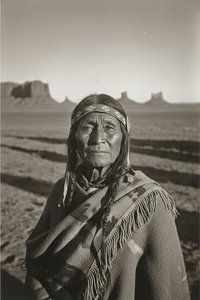
A Life Painted in Light: The Journey of Santosh Sivan
Born in Bengaluru, India, in 1964, Santosh Sivan is more than just a cinematographer; he’s a visual poet whose lens has captured the soul of Indian cinema for decades. From his earliest explorations with photography to his groundbreaking work as a director and producer, Sivan's career embodies a relentless pursuit of authenticity and artistic expression. He didn’t simply observe life through a camera—he *felt* it, translating emotions and narratives into breathtaking imagery that resonates deeply with audiences worldwide. His journey began not in film school, though he would later attend the Film and Television Institute of India, but amidst the vibrant tapestry of his surroundings, absorbing the colors, textures, and stories of his homeland.
Early Influences and Cinematic Beginnings
Sivan’s upbringing was steeped in artistic energy. His father, a photographer himself, instilled in him an early appreciation for the power of visual storytelling. This foundation led to a precocious start behind the camera, documenting life around him with a keen eye for detail and composition. He wasn't merely interested in technical proficiency; he sought to capture the essence of his subjects, their inner worlds reflected in light and shadow. His early documentaries—over forty to date—reveal this innate ability to connect with people and translate their experiences into compelling visual narratives. This documentary work honed a unique style that would later define his feature film projects. He quickly distinguished himself as someone who wasn’t afraid to experiment, pushing boundaries and challenging conventional cinematic norms.
A Master of Visual Language: Key Films and Techniques
Sivan's breakthrough came with films like ‘The Terrorist’ (1998) and ‘Malli’ (1998), both critically acclaimed for their raw emotional power and innovative cinematography. ‘The Terrorist’, in particular, was a landmark achievement, utilizing a minimalist aesthetic to portray the psychological turmoil of a young woman drawn into extremism. His work on ‘Asoka’ (2001) further cemented his reputation as a master visual storyteller, showcasing epic landscapes and intimate character moments with equal skill. He doesn't rely on elaborate setups or excessive effects; instead, he favors natural light, long takes, and carefully chosen angles to create a sense of immediacy and authenticity. His ability to work seamlessly across genres—from historical epics to intimate dramas—is a testament to his versatility and artistic depth.
Beyond the Lens: Eka Cinematics and Literary Pursuits
In 2019, Sivan expanded his creative horizons with the founding of Eka Cinematics, a production company dedicated to fostering independent filmmaking and supporting emerging talent. This venture reflects his commitment to nurturing new voices and pushing the boundaries of Indian cinema. Interestingly, he also published a Kannada translation of ‘Rebel Sultans’ under the name eka/juggernaut, demonstrating a broader engagement with literature and storytelling beyond the visual realm. This foray into translation suggests a desire to connect with audiences on multiple levels, exploring narratives through different mediums. It's a testament to his intellectual curiosity and passion for cultural exchange.
Legacy and Historical Significance
Santosh Sivan’s impact on Indian cinema is undeniable. He has received numerous accolades, including twelve National Film Awards, six Filmfare Awards, and the prestigious Pierre Angénieux Excellens in Cinematography award. More importantly, he has inspired a generation of filmmakers to embrace experimentation, prioritize authenticity, and tell stories with compassion and sensitivity. He’s not just a cinematographer; he's a cultural icon, a visionary artist who continues to shape the landscape of Indian cinema with his breathtaking visuals and unwavering commitment to artistic excellence. His work serves as a powerful reminder that the most compelling stories are often found in the quiet moments, the subtle gestures, and the raw emotions that connect us all.
Q&A
키워드로 Eka/Juggernaut의 작품을 찾아볼 수 있나요?
Eka/Juggernaut의 작품은 아티스트의 키워드별 탐색 페이지에서 키워드별로 찾아보실 수 있습니다. 각 키워드를 통해 관련 작품들을 모아 감상하실 수 있습니다.
특정 색상 팔레트의 Eka/Juggernaut 작품은 어디에서 찾아볼 수 있나요?
컬러 팔레트별로 보기 페이지에서는 Eka/Juggernaut의 작품들을 색상 팔레트별로 모아볼 수 있습니다.
Eka/Juggernaut은(는) 어느 시대의 작품을 남겼나요?
Eka/Juggernaut은(는) Contemporary 시대에 활동했습니다. 이 시기는 역사적 맥락 속에서 작가의 예술적 위치를 보여줍니다.