1


11월 2026 업데이트 · 인기 점수 기준 순위 (각 작품의 검색, 방문 및 주문 수) · 9점의 Will Evans 작품 (당사 카탈로그 기준)
빠른 답변
Will Evans의 작품 중 가장 인기 있는 작품은 Snow in Swansea (1931)입니다. 2위와 3위: Ploughing (1926) 및 Street Scene (1927). Will Evans의 작품 9점이 카탈로그에 등록되어 있습니다. 여기에 나열된 9점은 가장 유명한 작품들을 순위별로 정리한 것이며, 각 원작의 제작 연도와 소장 박물관 정보가 포함되어 있습니다.
연대를 선택하여 해당 시대의 대표 작품을 확인해 보세요.


Snow in Swansea (1931)이(가) 1위를 차지했으며, Ploughing (1926), Street Scene (1927)가 그 뒤를 이었습니다.
Will Evans의 나이는 43세였습니다. Snow in Swansea의 제작 연도는 1931년이며, Will Evans는 1888년에 태어났습니다.
1926부터 1941까지 제작된 Will Evans의 작품 9점이 카탈로그에 등록되어 있습니다.
1940s 기간의 작품은 여기에 랭크된 9점의 회화 중 3점에 해당하며, Swansea Blitz을(를) 포함합니다.
이 페이지의 가장 오래된 작품: Ploughing (1926). 가장 최근 작품: Swansea Blitz (1941).
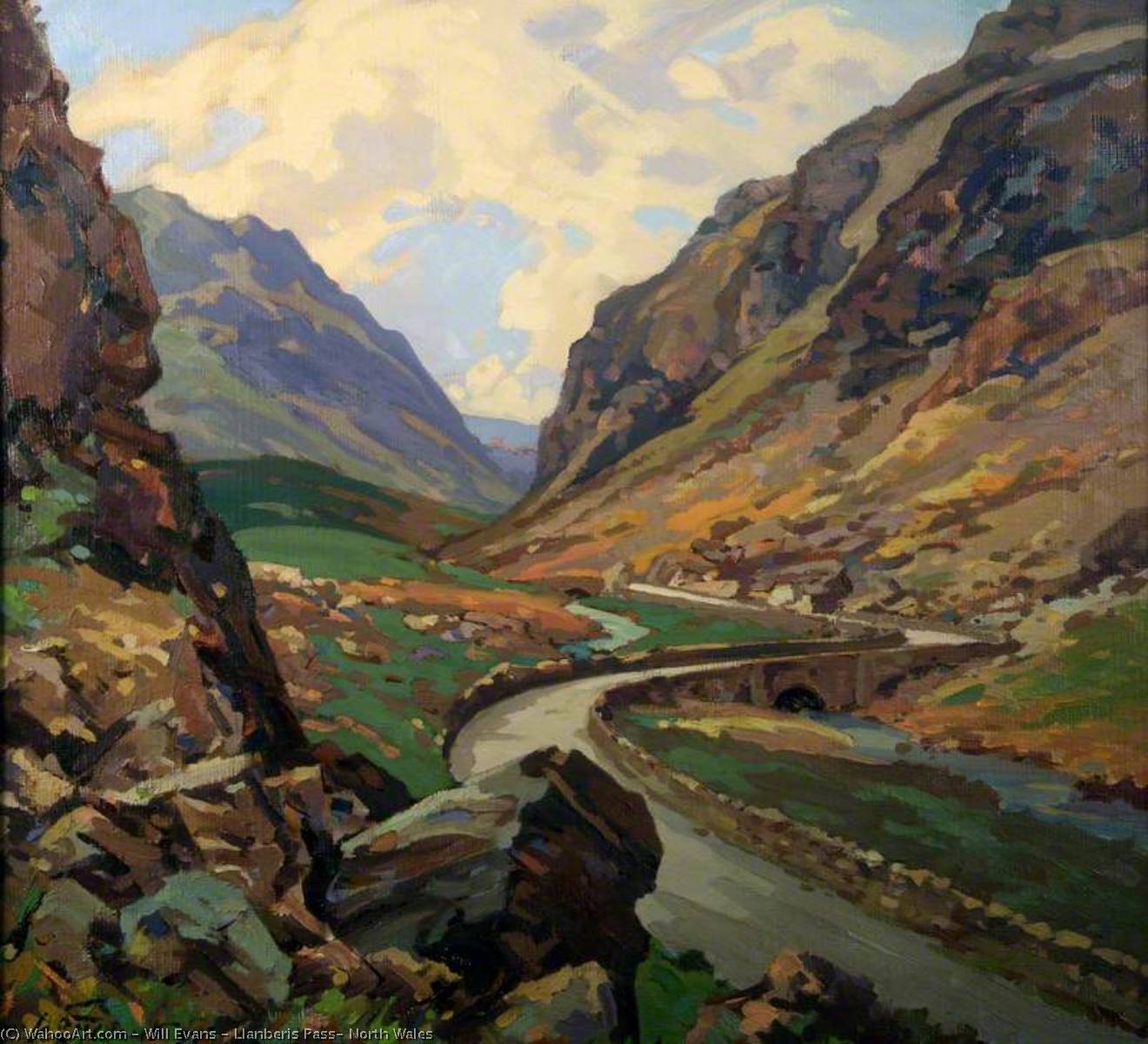
In the vast tapestry of twentieth-century landscape art, few threads possess the quiet, evocative strength found in the works of Will Evans (1888–1957). A painter whose vision was deeply rooted in the rugged textures of the British landscape, Evans possessed a rare ability to translate the ephemeral qualities of light and atmosphere into enduring visual poetry. While his name may not carry the global fanfare of the high Impressionists, his contribution to the depiction of the natural world remains a profound testament to the beauty of the local and the sublime. His life’s work serves as a bridge between traditional topographical accuracy and a more modern, emotive interpretation of the environment.
Born in 1888, Evans emerged during a period of significant transition in the art world. His artistic identity was shaped by an intimate connection to the landscapes he inhabited, particularly within the British Isles. Unlike artists who sought the grandiosity of distant, exotic vistas, Evans found his muse in the subtle shifts of weather and the character of specific terrains. His development as an artist was marked by a disciplined observation of nature, where every brushstroke was an attempt to capture the weight of a cloud, the dampness of moss, or the way sunlight pierdenates through a morning mist. This dedication to plein air principles allowed him to develop a style that felt lived-in and authentically observed.
The technical brilliance of Evans lies in his sophisticated command of color and texture, particularly when working with mediums that allow for translucency and layering. His approach was never merely about replication; it was about the emotional resonance of a scene. To view an Evans landscape is to experience the temperature of the air and the humidity of the earth. He utilized a palette that could shift from the somber, brooding tones of a storm-swept moor to the delicate, shimmering highlights of a sunlit clearing.
His stylistic evolution can be characterized by several key artistic pillars:
As an artist active throughout the first half of the twentieth century, Evans navigated a world undergoing rapid industrial and social change. Amidst this upheaval, his commitment to the enduring beauty of the natural landscape provided a sense of continuity and solace. His work is often associated with the tradition of British landscape painting that seeks to find the extraordinary within the ordinary. By focusing on the specificities of the terrain, he elevated regional scenery to the level of high art, inviting viewers to rediscover the majesty in their own surroundings.
Today, the legacy of Will Evans is preserved through collections that celebrate his role in the lineage of British landscape artists. His ability to capture the fleeting moment—the precise second when light hits a valley floor—ensures that his paintings remain vibrant and breathing. He remains a significant figure for those who appreciate art that speaks not through loud declarations, but through the whispered truths of the natural world, leaving an indelible mark on the history of landscape depiction.