


 Peržiūrėti realaus dydžio版
 Siųsti
 Dalintis
 Išsamiau
 Vadovas

 Atsisiųsti
 Panašūs eksponatai
 Rentgeno spindulių nuotrauka
 Diaporama
 Statistika
Pavilion
 Oil On Canvas
- WallArt
- Bengal School of Art
 23.0 x 16.0 cm
 Victoria Memorial Hall
 Rodyti daugiau
Giclée / Meno spausdinimas
Muziejų lygio „giclée“ arba drobos spausdinimas: greita gamyba ir lankstios apdailos parinktys. ( Pirkti rankomis tapytą reprodukciją Perejti prie skaitmeninių vaizdų)




P118B €10

P118H €10

P118W €10

P438Z €10

P508JH €12

P508YH €12

P805H €10

P805Z €10

P919BZ €10

P919G €10

P919XJ €10

P959ZH €10

P968JZ €12

W106C €8

W218G €10

W218JH €8

W218Y €10

W307PJ €10

W316G €10

W316PJ €8

W316Y €10

W398PJ €8

W4111J €10

W500HY €15

W500JH €15

W692G €12

W849H €8

W940BG €15

W953PJ €8




Pasirinkite iš mūsų nustatytų dydžių, atitinkančių originalaus meno kūrinio proporcijas.

Įveskite jums reikiamą plotį ir aukštį, kad atvaizdas derėtų prie jūsų rėmo ar sienos. Spausdiną galima tik sumažinti, bet nepadidinti virš originalaus paveikslėlio dydžio, todėl keičiant proporcijas, dalis vaizdo prarandama. Prieš spausdinimą atsiųsime jums skaitmeninį maketą patvirtinimui. Šioje puslapio nuotraukoje matomas pjūvis nėra tikslus – jį rodo tik maketas.
Pristatymas visame pasaulyje () per 2 weeks, o ne įprastas 4/5 savaičių laikotarpis. (26 spalis)

Nemokamas greitasis pristatymas visame pasaulyje

Aukštos kokybės lininis drobė

Pilnas siuntimo draudimas

Muitinės mokesčių grąžinimo garantija

Tikro spalvų atitikimo garantija

100 dienų grąžinimo politika (tik esant įtaigoms)

100% pinigų grąžinimo garantija

Nuolaida dideliems užsakymams
 Stiklo variantas prieinamas tik pasirinkus dydį iki 110 cm

Pavilion
Giclée / Meno spausdinimas
Reprodukcijos dydis
-


Visų pasirinktų variantų kaina
€ 56
Abanindranath Tagore’s “Pavilion”: A Bridge Between East and West
The artwork presented here, Abanindranath Tagore's "Pavilion," isn’t merely a depiction of a building; it’s a carefully constructed visual poem, a pivotal moment in the history of Indian art. Painted in 1907, during a period of intense nationalistic fervor and artistic experimentation, this work represents Tagore’s audacious attempt to synthesize traditional Indian aesthetics with Western influences – a strategy that fundamentally reshaped the landscape of modern Indian painting. It's a piece brimming with symbolism, inviting viewers to contemplate themes of spirituality, identity, and the evolving relationship between tradition and modernity.
Tagore, deeply influenced by the Japanese aesthetic—particularly its emphasis on calligraphy and flattened perspective—and inspired by the Mughal and Rajput miniature traditions, sought to create an art form that resonated with Indian sensibilities. He deliberately rejected the academic realism prevalent in Western art schools, which he viewed as cold and devoid of spiritual depth. Instead, he drew upon the rich visual vocabulary of ancient India – its vibrant colors, stylized forms, and symbolic imagery—and infused it with a distinctly modern sensibility. “Pavilion” exemplifies this approach perfectly; it’s not a photographic representation but rather an evocative interpretation, prioritizing mood and feeling over strict adherence to reality.
A Symphony of Color and Symbolism
The painting immediately captivates the eye with its rich palette—a deliberate departure from the muted tones favored by Western artists. Deep blues and greens dominate the composition, evoking a sense of tranquility and spirituality, while bursts of crimson, gold, and saffron inject vibrancy and energy. These colors aren’t simply decorative; they carry profound symbolic weight. Blue represents the heavens and spiritual realms, red signifies passion and life force, and gold embodies divinity and enlightenment. The use of these hues is deeply rooted in Hindu iconography and reflects Tagore's desire to reconnect with India’s ancient spiritual heritage.
The pavilion itself—a structure reminiscent of Mughal palaces but imbued with a distinctly Indian character—is rendered with a flattened perspective, echoing the style of Japanese woodblock prints. The arched doorway, framed by intricate floral motifs and stylized clouds, serves as a focal point, drawing the viewer’s eye into the heart of the composition. Notice the deliberate simplification of forms – a hallmark of both Mughal and Japanese art—which contributes to the painting's serene and contemplative atmosphere. The figures depicted within the pavilion are not realistically rendered but rather presented as stylized silhouettes, further emphasizing the work’s symbolic nature.
Historical Context and Artistic Significance
“Pavilion” was created during a crucial period in Indian history—the early 20th century—a time marked by growing nationalist sentiment and a desire to reclaim India's cultural identity after centuries of colonial rule. Tagore’s art played a significant role in this movement, providing a visual language for expressing Indian values and traditions. He founded the Bengal School of Art, which championed a distinctly Indian style of painting that drew inspiration from both ancient and contemporary sources. This school challenged the dominance of Western artistic styles and paved the way for a new generation of Indian artists.
Tagore’s work wasn't without its critics. Some accused him of diluting traditional Indian art by incorporating Western elements, while others praised his innovative approach to blending Eastern and Western aesthetics. However, “Pavilion” remains a testament to Tagore’s artistic vision—a bold and ambitious attempt to create an art form that was both deeply rooted in India's cultural heritage and open to new influences. It stands as a pivotal work in the development of modern Indian painting, demonstrating the power of art to shape national identity and express complex ideas.
A Timeless Masterpiece for Your Space
Reproduced on high-quality canvas or paper, Abanindranath Tagore’s “Pavilion” offers a captivating glimpse into India's rich artistic heritage. Its serene composition, vibrant colors, and evocative symbolism make it an ideal addition to any home or office space. Whether you are drawn to its spiritual depth, its historical significance, or simply its aesthetic beauty, this artwork is sure to inspire contemplation and add a touch of timeless elegance to your surroundings. Consider commissioning a hand-painted reproduction from AllPaintingsStore.com for a truly authentic experience.
问答 (or more naturally for a website heading): Klausimai ir atsakymai
Ar „Pavilion“, autorius – Abanindranathas Tagore yra portretinė, peisžinio tipo ar kvadratinė kompozicija?
„Pavilion“, autorius – Abanindranathas Tagore kūrinio formatas yra Portrait. Formatas aprašo kompozicijos proporcijas.
Kokio dydžio „Pavilion“, autorius – Abanindranathas Tagore spausdinimas tinka rekomenduojamai patalpai?
Living Room erdvėje „Pavilion“ siūloma spausdinti Medium dydžiu.
Kaip kūrinys „Pavilion“ dera su Abanindranathas Tagore temomis ir stiliumi?
„Pavilion“ priklauso Abanindranathas Tagore Bengal School of Art kūrybai, kurios įrašytoms temoms priskiriamas mughal, rajput, indian traditions, swadeshi values, nationalist art, colonial calcutta, urban life, tagore’s artistic synthesis”.
Susiję kūriniai


Autoriaus biografija
Ankstyvasis gyvenimas ir kilmė
- Gimė: 1861 m. gegužės 7 d., Joransanko, Kalkata, Britų Indija
- Mirė: 1951 m. gruodžio 5 d.
- Šeima: išilgai gerbiančios Tagore šeimos narys; Rabindranath Tagore globotasisjažu. Jo senelis buvo Girindranath Tagore, o tėvas – Gunendranath Tagore.
- Šeima: 1880-aisiais studijavo Kolkatos Sanskrit College, vėliau mokėsi Kalkatos meno mokykloje.
Meninis vystymasis ir įtodiniai veiksniai
- Pradiniai mokslai: Kalkatos meno mokykloje O. Ghilardi išmokėjo pastelės technikos, o Charles Palmer – aliejaus tapybos.
- Mogolų ir Rajputų stiliai: siekė modernizuoti šiuos stilius, atsisakydamas Vakarų meno modelių.
- Swadeshi vertybės: į savo kūrybą įtraukė Swadeshi vertybes, skatindamas Indijos tradicijas.
- Whistlerio esteticizmas: buvo paveiktas Whistlerio estetiniais principais.
- Japonų įtaka: vėliau, susitikęs su menininkais Tikan ir Hesida, savo stiliuje pradinai įtraukė kinišką ir japonų kaligrafijos tradicijas.
Svarbiausi darbai ir meninės įtakos
- Rohini II: pastebimas darbas, demonstrajantis jo meninį meistriškumą.
- Shajahan mirtis: dar vienas reikšmingas paveikslas, atspindintis jo stilių.
- Sezoninis gėlė vazyje: demonstruoja jo technikos ir temų suvokimo meistriškumą.
- „Arabijos naktys“ serija (1930): laikoma vienu jo didžiausių pasiekimų, kuriame naudojant „Arabijos nakties“ istorijas tyrėjo kolonialinę Kalkatą.
- Bharat Mata: svarbus paveikslas, simbolizuojantis Motiną Indiją.
- Bengalo meno mokyklos įkūrėjas: playing leido pagrindinį vaidmenį formuojant šiuolaikinę Indijos tapybą ir skatindamas nacionalistinį meną.
- Indijos orientacijos meno draugija (1907): įkūrė šią draugiją siekdamas skatinti tradicinius Indijos meno formas.
Palikimas ir istorinė reikšmė
- Šiuolaikinės Indijos tapybos pionierius: pripažintas kaip pagrindinė figūra Indijos šiuolaikinės meno plėtroje.
- Įtaka būsimiesiems menininkams: buvo mentoru tokioms iškilusioms asmenybėms kaip Nandalal Bose, Asit Halder, Kshitindranath Majumdar ir Jamini Roy.
- Tradicinių meno formų atgimimas: advocated for a return to traditional Indian techniques and styles.
- Poveikis bendrai bengalų vaikų literatūrai: parašė įtakingas vaikų knygas, tokias kaip Rajkahini,
Budo Angla, Nalak ir Khirer Putul. - Tautinės meno brangybės: jo kūriniai laikomi Tautinėmis meno brangybėmis.

Abanindranathas Tagore
1871 - 1951 , Indija
Trumpa informacija apie kūrėją
- Artistic Movement Or Style: Bengalo meno mokykla
- Artists Or Movements Influenced By This Artist:
- Nandalal Bose
- Kshitindranath Majumdar
- Jamini Roy
- Artists Who Influenced This Artist:
- Whistleris
- Mogū mūsliai
- Radžputų mūsliai
- Date Of Birth: 1871 m. gegužio 7 d.
- Date Of Death: 1951 m. gruodžio 5 d.
- Full Name: Abanindranath Tagore
- Nationality: Indas
- Notable Artworks:
- Rohini II
- Shajahanio mirtis
- Sezoninis gėlė vazyje
- Place Of Birth: Jorasanko, Indija
Susiję straipsniai

Raja Ravi Varma: Bridging Tradition & Modernity in 19th-Century Indian Art
Explore the life & art of Raja Ravi Varma, a pioneer who fused European techniques with Indian iconography. Discover his iconic paintings, lasting legacy, and influence on modern Indian art at AllPaintingsStore.
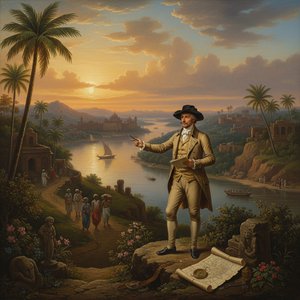
Thomas Daniell: Navigating Light, Landscape & Cultural Exchange in Early 19th-Century India
Explore the captivating landscapes of Thomas Daniell, a pioneering artist who documented India's beauty in the 19th century. Discover his 'Oriental Scenery,' aquatint technique & lasting legacy. Hand-painted reproductions available at AllPaintingsStore.

Joseph Henry Sharp: Capturing the Spirit of the Plains – Life, Art & Legacy
Explore the life & art of Joseph Henry Sharp, a founding member of the Taos Society of Artists renowned for his realistic depictions of Native American culture and Western landscapes. Discover his legacy with AllPaintingsStore.
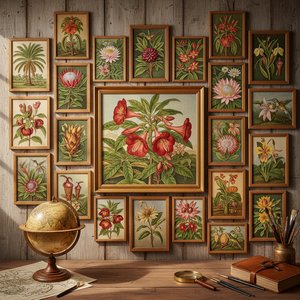
Marianne North's Masterpieces: 25 Botanical Paintings That Bloom With Adventure | AllPaintingsStore
Journey through the vibrant world of Marianne North’s botanical paintings! Explore 25 iconic artworks from this Victorian artist, celebrating exotic flora & travel. Find museum-quality reproductions and curated decor ideas at AllPaintingsStore.com.
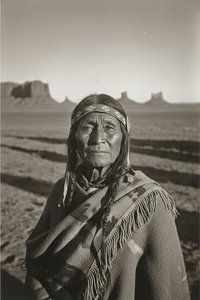
Shadow Catcher: Edward S. Curtis & the Ethnographic Portraiture of a Vanishing West
Explore the life & work of Edward S. Curtis, the 'Shadow Catcher,' and his groundbreaking photographic documentation of Native American cultures. Discover iconic images from *The North American Indian* and a critical look at his lasting legacy.

