


 Peržiūrėti realaus dydžio版
 Siųsti
 Dalintis
 Išsamiau
 Gidas
Gidas

 Atsisiųsti
 Panašūs eksponatai
 Rentgeno spindulių nuotrauka
 Diaporama
 Statistika
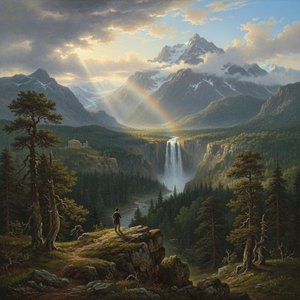
View of an Idyllic Village
 Romanticism
 66.0 x 95.0 cm
 Crocker Art Museum
 Rodyti daugiau
Rankų darbo aliejinės reprodukcijos
Rankiniu būdu tapytas aliejus ant droblio jūsų pageidaujamame dydį ir rėmuose – mūsų menininkų darbas pagal užsakymą. ( Perjungti į spausdinimą Perejti prie skaitmeninių vaizdų)




































Pasirinkite iš mūsų nustatytų dydžių, atitinkančių originalaus meno kūrinio proporcijas.

Galite įvesti savo matmenis, kad jie atitiktų konkretų rėmą ar erdvę. Jei pasirinktas dydis neatitinka originalaus paveikslėlio proporcijų, mes arba apkropsime meno kūrinį, arba papildysime tapybą rankomis dažytい elementais. Prieš pradėdami gamybą, jūsų patvirtinimui atsiųsime skaitmeninį maketą.
Atkreipkite dėmesį, kad ekrane rodomas vaizdas neatspindi tikrojo apkarpymo ar papildymo. Tik maketas tiksliai parodys galutinę kompoziciją.
Nors galima rinktis ir individualius dydžius, rekomenduojame pasirinkti matmenis iš nustatytos sąrašo, kad būtų išlaikytos originalios proporcijos.
Gavus užsakymą, AllPaintingsStore.com komanda susisieks su klientu el. paštu dėl instrukcijų ir pateiks maketo pavyzdį
Pristatymas visame pasaulyje () per 3–4 savaites, o ne įprastai – per 5 savaites. (21 rugsėjis). Kokybė lieka nepakeičiama.

Nemokamas greitasis pristatymas visame pasaulyje

Aukštos kokybės lininis drobė

Pilnas siuntimo draudimas

Muitinės mokesčių grąžinimo garantija

Tikro spalvų atitikimo garantija

100 dienų grąžinimo politika (tik esant įtaigoms)

100% pinigų grąžinimo garantija

Nuolaida dideliems užsakymams
 Stiklo variantas prieinamas tik pasirinkus dydį iki 110 cm

View of an Idyllic Village
Reprodukcijos technika
Reprodukcijos dydis
-


Visų pasirinktų variantų kaina
$ 258
Susiję kūriniai


Autoriaus biografija
Gustave Courbet: A Revolutionary of the Real
Jean Désiré Gustave Courbet, born in Ornans, France, on June 10, 1819, and tragically dying in La Tour-de-Peilz on December 31, 1877, was more than just a painter; he was a catalyst. A pivotal figure in the transition from Romanticism to Realism, Courbet fundamentally challenged artistic conventions of his time, rejecting idealized beauty for an unflinching portrayal of everyday life and the realities of the working class. His bold choices—subject matter, technique, and unwavering commitment to depicting the world as he saw it—left an indelible mark on the course of art history, influencing generations of artists to come.
Courbet’s early life was steeped in a pragmatic sensibility. Born into a prosperous farming family, his father, Eléonor-Régis Courbet, recognized his son's artistic talent and, defying societal expectations, supported his ambition to pursue painting. This familial encouragement provided the foundation for Courbet’s independent spirit and unwavering dedication to his craft. He initially studied law in Paris, but quickly abandoned this path, immersing himself entirely in the world of art. His early training involved meticulous copying of masterworks at the Louvre, a process he viewed as essential for understanding technique and composition – a deliberate contrast to the Romantic emphasis on originality.
The Salon, France’s premier annual exhibition, served as Courbet's primary venue for showcasing his work. However, the Salon jury proved stubbornly resistant to his increasingly radical style. His paintings were repeatedly rejected due to their unconventional subject matter and lack of adherence to academic standards. This rejection, rather than discouraging him, fueled his determination to forge a new path. He famously declared that he would only paint what he could see, rejecting the idealized landscapes and mythological scenes favored by the establishment.
The Rise of Realism and Courbet’s Vision
Courbet's artistic vision was rooted in a deep empathy for the marginalized and overlooked members of society. He deliberately chose subjects that were typically ignored by mainstream artists – rural laborers, peasants, and scenes of everyday life. His most celebrated works, such as *A Burial at Ornans* (1849-50) and *The Stone Breakers* (1863-64), are monumental in scale and profoundly moving in their depiction of the harsh realities faced by the working class. These paintings were not intended to be sentimental or romanticized; instead, they presented a stark and uncompromising view of poverty, labor, and social inequality.
*A Burial at Ornans*, for instance, depicts a village funeral with an astonishing lack of idealization. The figures are rendered in meticulous detail, their faces etched with grief and weariness. The painting’s sheer size—over 10 feet by 8 feet—further emphasizes the importance of the event and the collective nature of mourning. Similarly, *The Stone Breakers* portrays two elderly laborers engaged in backbreaking work, their bodies worn down by years of toil. Courbet's deliberate choice to depict these subjects on a grand scale challenged the traditional hierarchy of artistic subject matter, elevating the lives of ordinary people to the level of historical or mythological narratives.
Courbet’s approach extended beyond mere subject matter; he also revolutionized painting technique. He employed a direct and unmodulated brushstroke, rejecting the smooth, polished surfaces favored by academic painters. His colors were often muted and earthy, reflecting the tones of the landscapes and subjects he depicted. He sought to capture the essence of his subjects with immediacy and honesty, eschewing elaborate detail or decorative effects.
Major Works and Lasting Influence
Courbet’s oeuvre is remarkably diverse, encompassing landscapes, seascapes, portraits, still lifes, and historical scenes. However, several works stand out as particularly significant contributions to the Realist movement: *The Stone Breakers*, already mentioned, remains one of his most iconic paintings; *Olympia* (1863), a provocative nude that scandalized Parisian society with its unflinching gaze and rejection of conventional beauty standards; *Wheatfield with Crows* (1890), a brooding landscape imbued with an unsettling sense of foreboding; and, of course, *A Burial at Ornans*, which remains a testament to his commitment to depicting the realities of everyday life.
Courbet’s influence on subsequent generations of artists is undeniable. He paved the way for Impressionism by challenging traditional notions of representation and advocating for a more direct and subjective approach to painting. Artists like Édouard Manet, Claude Monet, and Pierre-Auguste Renoir were all deeply influenced by Courbet's radical ideas and techniques. Furthermore, his emphasis on social realism inspired movements such as Social Realism in the 20th century.
A Legacy of Authenticity
Gustave Courbet’s legacy extends far beyond his individual paintings. He fundamentally altered the relationship between art and society, demonstrating that art could be a powerful tool for social commentary and political engagement. His unwavering commitment to depicting the world as he saw it—without embellishment or idealization—established a new standard of artistic integrity. Courbet’s insistence on painting “what one sees” continues to resonate with artists today, reminding us of the importance of authenticity, honesty, and a deep connection to the subject matter.
Despite facing considerable opposition during his lifetime, Courbet's work gradually gained recognition after his death. Today, he is celebrated as one of the most important figures in modern art—a revolutionary who dared to challenge convention and redefine the boundaries of artistic expression.

alexander hieronymus van de sande bakhuyzen
1819 - 1895 , Netherlands
Trumpa informacija apie kūrėją
- Artistic Movement Or Style: Realism
- Artists Or Movements Influenced By This Artist:
- Impressionism
- Cubism
- Artists Who Influenced This Artist:
- Velázquez
- Ribera
- Date Of Birth: June 10, 1819
- Date Of Death: December 31, 1877
- Full Name: Gustave Courbet
- Nationality: French
- Notable Artworks:
- A Burial at Ornans
- The Stone Breakers
- Olympia
- Place Of Birth: Ornans, France
Susiję straipsniai

10 Romantinių Peizažų Simbolių: Tapybos Majestatės Viršūnės
Atraskite 10 legendinių romantinio peizažo kūrinių! Pasinerkite į Claude Lorrain, Caspar David Friedrich ir J.M.W. Turner genijaus pasaulį. Išmokite apie tapybos meistriškumą bei gamtos grožį. Aukščiausios kokybės meno reprodukcijos – AllPaintingsStore.com. Tyrinėkite kolekciją!
Evoking Nature's Sublime: A Comprehensive Exploration of 19th-Century Landscape Painting
Explore the captivating world of 19th-century landscape painting! Discover renowned artists like Friedrich & Monet, key movements, and find the perfect artwork to bring nature's serenity into your home. Expert insights at AllPaintingsStore.

Džono Konsteblio Šedevrai: 25 Išskirtiniai Darbai Jūsų Interjerui | AllPaintingsStore
Atraskite 25 įspūdingiausius Džono Konsteblio paveikslus! Romantizmo meistro gamtos vaizdai, Dedham Vale peizažai ir meno istorijos šedevrai. Meno reprodukcijos jūsų interjerui – AllPaintingsStore.com

Capturing Nostalgia: The Timeless Allure and Art History of Village Scene Landscapes
Explore the profound beauty of village scene art. From Impressionist light to pastoral realism, discover how timeless landscapes capture nostalgia through expert artistry and historical depth. Perfect for collectors seeking evocative, museum-quality landscape inspirations.

Golden Light & Dutch Skies: The Timeless Magic of Dutch Golden Age Landscapes
Discover the breathtaking beauty of Dutch Golden Age landscapes. Explore the mastery of light, chiaroscuro, and 17th-century realism through an expert art history lens, celebrating the enduring legacy of the Dutch Masters for discerning collectors and art lovers.

