

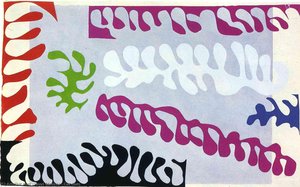
1955. Ink On Paper. MOMA - Moderniosios meno muziejus.

§ 1Katalogo duomenys


Šis kūrinys yra saugomas autorinės teisės
Šiame puslapyje rodomas meno kūrinys yra saugomas autorių teisių įstatymais, todėl neturime teisės legaliai kurti ar parduoti jo identiškos reprodukcijos. Ši apsauga užtikrinama remiantis tokiais tarptautiniais susitarimais kaip Bernės konvencija ir pagal nacionalines įstatymų nuostatas, įskaitant tas, kurias nurodo JAV autoriškos teisės įstatymas – 17-asis skyrius.
Kaip pagarbią ir teisėtą alternatyvą, mes siūlome pagal užsakymą rankomis dažytus paveikslus, įkvėptus originalo. Mūsų įgudę ir profesionalūs menininkai kruopščiai tiria originalo stilių, nuotaiką ir meninę esmę, kad sukurtų naują, unikalią kūrinį, kuris sukelia tą paties jausmą – išlikdamas tuo tarciau originaliu, savarankišku kūrybiniu darbu.
Šis metodas visiškai atitinka autorių teises, nes jame nėra saugomo kūrinio kopijavimo ar dubliavimo. Tai yra kūrybinė reinterpretacija – naujas paveikslas, kurį įkvėpė originalas, tačiau kuris nėra jo identiškas.
 Skaityti daugiau
§ 2Abstraktus
Kolekcinio objekto aprašas
Experience 'Panic' by André Masson – a surrealist etching of swirling chaos and raw emotion. Explore the artist’s automatic drawing style & delve into themes of anxiety & primal energy.
Autoriaus biografija
André Masson – prancūzų surrealisto tapytojas, žinomas dėl automatinio rašymo ir smėlio tapybos technikos. Jo darbai įkvėpė abstrakčiąją ekspresionizmą, tyrinėdami smurtą, erotiką bei metamorfozes.
§ 3Komentaras
The Raw Nerve of Anxiety: Unpacking André Masson’s “Panic”
André Masson's "Panic," created in 1955, isn’t merely a painting; it’s an excavation. A visceral plunge into the turbulent depths of the human psyche, rendered with a frenetic energy that both unsettles and compels. This etching, executed on paper, captures a moment suspended between chaos and control, reflecting the anxieties simmering beneath the surface of post-war Europe – a period Masson himself deeply inhabited through his pioneering work in Surrealism and Automatism.
The composition immediately assaults the senses. A dominant teal background—a shade suggestive of both twilight and unease—is fractured by swirling, violently intertwined lines in shades of purple and magenta. These aren’t neat, controlled strokes; they are a deliberate act of disruption, mirroring the feeling of being overwhelmed by internal turmoil. The lack of a clear focal point forces the viewer's eye to dart across the surface, mimicking the restless, fragmented experience of panic itself. The overall effect is less about depicting a specific scene and more about conveying an intense emotional state – a raw, unfiltered expression of anxiety.
Automatism: A Journey Beyond Conscious Control
Masson’s technique—Automatism—was central to his artistic practice. Rejecting the constraints of rational thought and deliberate planning, he sought to tap into the unconscious mind through spontaneous action. In “Panic,” this manifests as a seemingly chaotic outpouring of lines, yet beneath the surface lies a carefully orchestrated process. Masson would often begin with sand drawings, allowing the subconscious to dictate the initial forms, then translate these images onto paper using various tools – in this case, etching techniques—to create the final image. This method aimed to bypass conscious control and reveal hidden emotions and associations.
The influence of Surrealism is undeniable, but Masson’s approach extends beyond simple dream imagery. He was deeply interested in primal emotions, exploring themes of violence, eroticism, and metamorphosis – all powerfully represented within the swirling forms of “Panic.” The piece echoes the work of artists like André Breton and Joan Miró, yet possesses a uniquely personal intensity, reflecting Masson's own struggles with psychological turmoil.
Symbolic Echoes: Violence, Repression, and the Unconscious
The imagery within "Panic" is rich in symbolic potential. The tangled lines can be interpreted as representing repressed emotions struggling to surface, a visual manifestation of internal conflict. The use of dark teal and vibrant purples and magentas creates a dramatic contrast, suggesting a battle between opposing forces – perhaps order versus chaos, reason versus instinct. Some viewers have noted the resemblance to organic forms—twisted limbs or distorted figures—suggesting a sense of fragmentation and loss of control.
Interestingly, Masson’s work frequently engaged with themes of violence, reflecting anxieties prevalent in post-war Europe. The piece can be seen as an exploration of the destructive potential within the human psyche – a warning against succumbing to overwhelming fear and losing oneself in the chaos of internal struggle. The title itself—"Panic"—underscores this central theme, encapsulating the feeling of being trapped within one’s own anxieties.
A Legacy of Raw Emotion: Masson's Enduring Impact
“Panic” stands as a powerful testament to André Masson’s innovative approach to art. It’s not a comfortable piece; it demands engagement and invites introspection. His exploration of Automatism, combined with his unflinching portrayal of psychological turmoil, cemented his place as a key figure in the Surrealist movement and beyond. Reproductions of this work continue to resonate today, offering a glimpse into the complexities of the human experience – a reminder that beneath the surface of everyday life, there often lies a turbulent landscape of anxieties and unresolved emotions.
Klausimai ir atsakymai
Kokį Andrė Masonas kūrybos etapą atspindi „Panic“?
„Panic“ atspindi Andrė Masonas kūrybinį laikotarpį Surrealist Automatic Drawing.
Ar galiu naudoti papildytojąjį realybės technologiją, kad pamatytumėte „Panic“ – Andrė Masonas savo kambaryje?
„Panic“ galima peržiūrėti papildytoji realybės formatu: kūrinio Peržiūra papildintajai realybei puslapyje, naudodami suderinamą įrenginį, galite pamatyti jį savo erdvėje.
Kokia yra „Panic“ – Andrė Masonas dominuojanti spalva?
Dominuojantis „Panic“ – Andrė Masonas atspalvis yra Green to Violet Spectrum.




 Perjungti į spausdinamus版作品


 Dėl meno kūrinių ar reprodukcijų, kurių bet kuri pusė yra didesnė nei 105 cm (apie 41 inch), rėmas bus siunčiamas kaip išskaidytas surinkimo rinkinys. Šis metodas užtikrina saugų pristatymą ir apsaugo nuo transportavimo metu galimos žalos.


