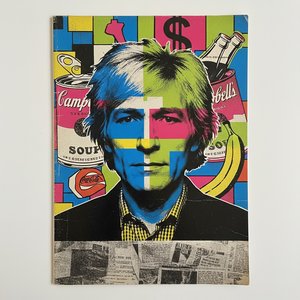
Acrylic On Canvas.

§ 1Catalogue data


Šis kūrinys yra saugomas autorinės teisės
Šiame puslapyje rodomas meno kūrinys yra saugomas autorių teisių įstatymais, todėl neturime teisės legaliai kurti ar parduoti jo identiškos reprodukcijos. Ši apsauga užtikrinama remiantis tokiais tarptautiniais susitarimais kaip Bernės konvencija ir pagal nacionalines įstatymų nuostatas, įskaitant tas, kurias nurodo JAV autoriškos teisės įstatymas – 17-asis skyrius.
Kaip pagarbią ir teisėtą alternatyvą, mes siūlome pagal užsakymą rankomis dažytus paveikslus, įkvėptus originalo. Mūsų įgudę ir profesionalūs menininkai kruopščiai tiria originalo stilių, nuotaiką ir meninę esmę, kad sukurtų naują, unikalią kūrinį, kuris sukelia tą paties jausmą – išlikdamas tuo tarciau originaliu, savarankišku kūrybiniu darbu.
Šis metodas visiškai atitinka autorių teises, nes jame nėra saugomo kūrinio kopijavimo ar dubliavimo. Tai yra kūrybinė reinterpretacija – naujas paveikslas, kurį įkvėpė originalas, tačiau kuris nėra jo identiškas.
 Skaityti daugiau
§ 2Abstract
Kolekcinio objekto aprašas
Autoriaus biografija
Pažinkite Andy Warholą (1928–1987) – pop meno pradininką! Jo šilkografijos su Marilyn Monroe, „Campbell’s“ sriubos skardinėmis ir garsenybių portretais pakeitė meno supratimą. Atverkite amerikietiškos kultūros simbolius!
§ 3Commentary
A Moment Frozen in Pop: Andy Warhol’s Iconic Time Magazine Cover
Andy Warhol's reimagining of Michael Jackson for TIME magazine in 1983 isn’t merely a portrait; it’s a crystallized explosion of celebrity, pop culture, and the very essence of Warhol’s artistic philosophy. This striking image transcends its origins as a news cover, evolving into a potent symbol of an era – the late 1980s, a time of unprecedented media saturation and the rise of the superstar. The painting captures Jackson in a moment of serene confidence, his signature smile radiating an almost unsettling stillness. The deliberate simplicity of the composition—a close-up of his face against a vibrant, pulsating background of yellow and red – immediately draws the viewer in, demanding attention and prompting reflection on the nature of fame and representation.
Pop Art’s Bold Embrace: Technique and Style
Warhol's signature technique—the silkscreen print—is crucial to understanding this work. He employed a process borrowed from commercial printing, applying ink through a stencil onto the canvas. This method, while seemingly straightforward, lends an incredible level of precision and flatness to the image, characteristic of Pop Art. The bold, saturated colors are not meant to mimic reality but rather to evoke immediate recognition and emotional response. Notice how the yellow and red aren’t blended; they exist as distinct blocks, creating a dynamic tension within the composition. The meticulous layering of color, achieved through multiple screens, is a testament to Warhol's dedication to his craft – a dedication that transformed everyday imagery into works of art.
Echoes of History: Magazine Culture and Celebrity
To appreciate this piece fully, it’s essential to consider the context of 1983. TIME magazine was already a powerful force in shaping public opinion, and featuring Michael Jackson on its cover represented a monumental cultural event. Jackson's unprecedented popularity—fueled by his music, dance moves, and global appeal—made him an irresistible subject for Warhol. The painting cleverly mirrors the glossy, highly-produced aesthetic of contemporary magazines, utilizing similar color palettes and compositional strategies. It’s a deliberate engagement with the visual language of mass media, questioning its influence on our perception of reality and celebrity.
Symbolism and the Cult of Personality
The image is rich in symbolic meaning. Michael Jackson's smile, often interpreted as enigmatic or even slightly unsettling, reflects the complex nature of fame – a carefully constructed persona presented to the world. The bright colors contribute to an almost overwhelming sense of spectacle, mirroring the relentless media attention surrounding Jackson at the time. Furthermore, the painting can be seen as a commentary on the commodification of celebrity; Warhol reduces Jackson’s image to its most recognizable elements—his face and smile—transforming him into a mass-produced icon. The inclusion of the two indistinct figures in the background subtly suggests the audience – the viewers consuming this spectacle.
AllPaintingsStore offers meticulously crafted, hand-painted reproductions of Andy Warhol’s “Time Magazine Cover,” allowing you to bring this iconic piece into your home or office. Each reproduction captures the vibrancy and energy of the original while retaining the unique qualities of Warhol's distinctive style. Explore our collection today and own a piece of pop art history.
Klausimai ir atsakymai
Kokia yra „Time Magazine Cover“ istorinė padėtis?
Istoriškai „Time Magazine Cover“ yra šio platesnio Contemporary laikotarpio Pop Art stiliaus kūrinys.
Kokią spalvų paletę naudoja „Time Magazine Cover“?
„Time Magazine Cover“ – Endis Varholas kūryboje naudojama Earthy spalvų paletė, kuri apibūdina bendrą viso kūrinio spalvų charakterį.
Kaip „Time Magazine Cover“ subalansuoja šviesą ir tamsą?
„Time Magazine Cover“ bendroji ryškumas yra bright, o švytėjimas – Gentle Luminance.


 Perjungti į spausdinamus版作品


 Dėl meno kūrinių ar reprodukcijų, kurių bet kuri pusė yra didesnė nei 105 cm (apie 41 inch), rėmas bus siunčiamas kaip išskaidytas surinkimo rinkinys. Šis metodas užtikrina saugų pristatymą ir apsaugo nuo transportavimo metu galimos žalos.