


 Peržiūrėti realybėje
 Pasidalinti
 Dalintis
 Išsamiau

 Atsisiųsti
 Panašūs eksponatai
 Rentgeno nuotrauka
 Automatinė diorama
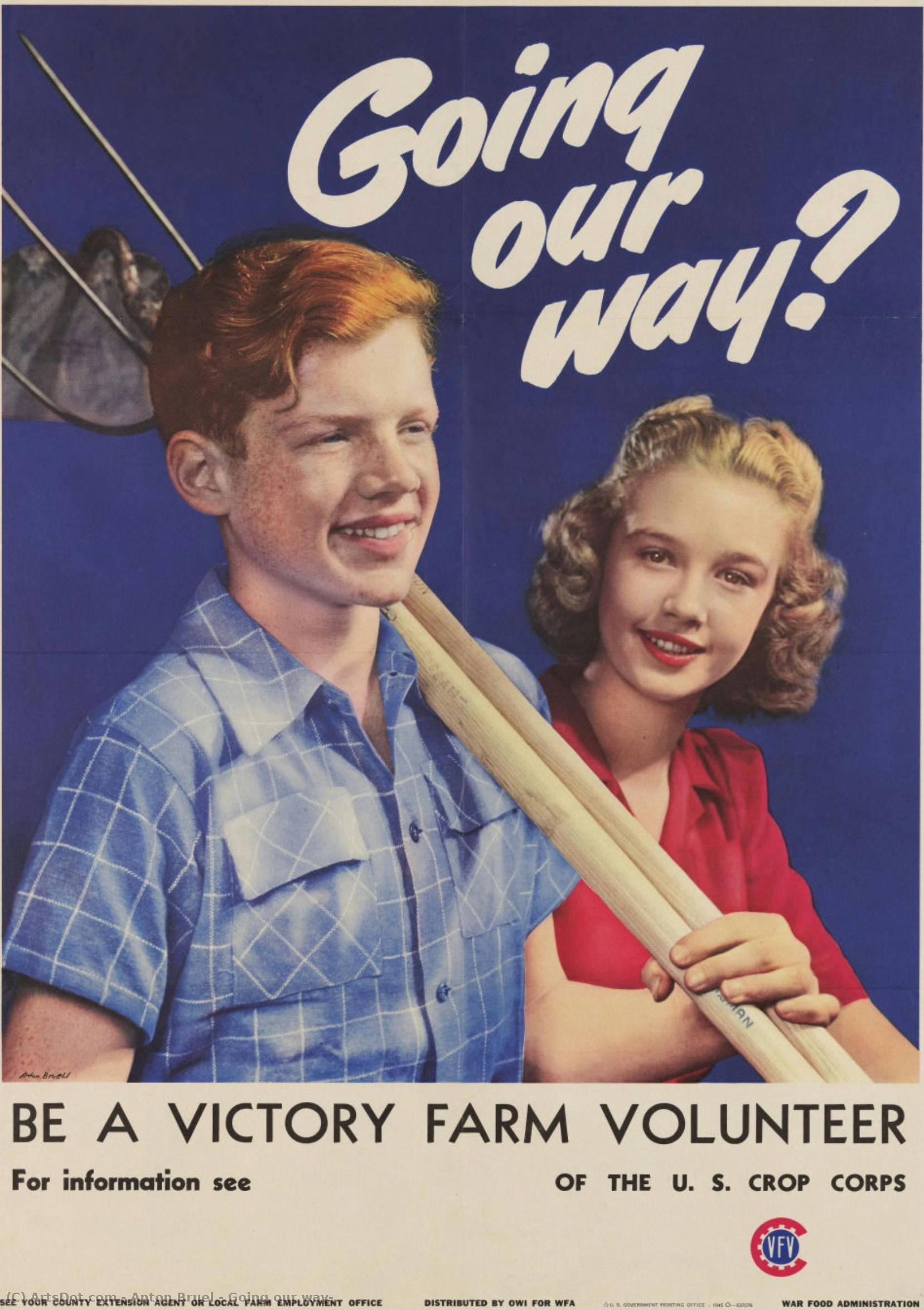
Going our way?


 Skaityti daugiau
Giclée / Meno spausdinimas
Muziejų lygio „giclée“ arba drobos spausdinimas: greita gamyba ir lankstios apdailos parinktys. ( Pirkti rankomis tapytą paveikslą Pirkti vaizdą)




































Pasirinkite iš mūsų nustatytų dydžių, atitinkančių originalaus meno kūrinio proporcijas.

Galite nurodyti savo matmenis, kad vaizdas atitiktų konkretų rėmą ar erdvę. Jei pasirinktas dydis nesutaps su originalaus paveikslėlio proporcijomis, mes arba apkirpsime kūrinį, arba išplėsime vaizdą naudojant veideliu atspindėtą arba vientisą šoną. Skaitmeninis maketas bus išsiųstas jums patvirtinti prieš pradedant gamybą.
Atkreipkite dėmesį, kad ekrane matomas vaizdinys neatspindi tikrojo apkirpimo ar išplėtimo. Tik maketas tiksliai parodytų galutinę kompoziciją.
Nors galima rinktis ir individualius dydžius, rekomenduojame pasirinkti vieną iš išanksti nustatytų matmenų, kad būtų išlaikytos originalios proporcijos.
Pristatymas visame pasaulyje () per 2 weeks, o ne įprastas 4/5 savaičių laikotarpis. (22 rugpjūtis)

Nemokamas greitasis pristatymas visame pasaulyje

Aukštos kokybės lininis drobė

Pilnas siuntimo draudimas

Muitinės mokesčių grąžinimo garantija

Tikro spalvų atitikimo garantija

60 dienų grąžinimo politika (tik esant gamyklinėms defektams)

100% pinigų grąžinimo garantija

Nuolaida už kelias reprodukcijas
 Stiklo variantas prieinamas tik pasirinkus dydį iki 110 cm

Going our way?
Giclée / Meno spausdinimas
Reprodukcijos matmenys
-


Galutinė kaina
$ 64
Kolekcinio eksponato aprašymas
panašūs kūriniai


Autoriaus biografija
Anton Bruel: A Life in Parisian Art
- Born: Paris, France (1842)
- Died: 1885
Early Life and Training
Anton Bruel's artistic journey began in Paris, a vibrant hub of art and culture during the 19th century. While detailed records of his early life remain scarce, it is known that he received formal training under prominent artists Isidore Pils and Léon Bonnat. This mentorship proved crucial in shaping his artistic foundation. Pils, renowned for his historical paintings and portraits, likely instilled in Bruel a strong sense of draftsmanship and composition. Bonnat, celebrated for his realistic portraiture and genre scenes, probably influenced Bruel's attention to detail and ability to capture the nuances of human expression.
Beyond his formal training, Bruel was also inspired by the works of masters like Jean-Baptiste Camille Corot and Julian A. Scott. Corot’s influence is evident in Bruel’s landscapes, characterized by a lyrical quality and atmospheric perspective. Scott's attention to detail and narrative storytelling likely contributed to Bruel's skill in depicting everyday life.
Artistic Style and Key Works
Bruel developed a distinctive artistic style marked by bold colors and expressive brushstrokes, reflecting the broader Realism movement. His paintings often depicted genre scenes—vivid portrayals of daily life in Paris—alongside landscapes and portraits. These works are characterized by their lyrical quality and meticulous attention to detail.
- Genre Scenes: Bruel excelled at capturing the essence of Parisian society, portraying ordinary people engaged in everyday activities. His genre scenes often evoke a sense of nostalgia and charm.
- Landscapes: Inspired by Corot, Bruel’s landscapes are imbued with a poetic atmosphere and subtle color harmonies.
- Portraits: Bruel's portraits reveal his ability to capture the character and personality of his subjects.
While a comprehensive list of Bruel's works is difficult to compile, some notable examples include paintings that showcase his mastery of genre scenes, landscapes, and portraiture.
Exhibitions and Recognition
Bruel actively participated in the Parisian art scene, exhibiting his work at the Salon from 1865 until his death in 1885. The Salon was a prestigious annual exhibition that showcased the latest works by French artists. His consistent presence at the Salon demonstrates his commitment to sharing his art with a wider audience.
In 1874, Bruel received a second-class medal at the Salon, a significant recognition of his artistic talent and contribution to the art world. He was also a member of the Société des Artistes Français, a respected organization that brought together leading French artists.
Legacy and Influence
Although Anton Bruel's legacy may not be as widely recognized as some of his contemporaries, his contributions to 19th-century French art are undeniable. His skillful depictions of Parisian life, landscapes, and portraits continue to resonate with art enthusiasts today. His use of bold colors and expressive brushstrokes influenced later artists such as Ernest Ange Duez.
Bruel's paintings can be found in esteemed collections, including the Musée des Beaux-Arts Valence and the Musée Baron Gérard, ensuring that his artistic vision remains accessible to future generations. His work serves as a valuable window into the cultural landscape of 19th-century Paris, offering insights into the lives and experiences of ordinary people.
- Museum Collections: Musée des Beaux-Arts Valence; Musée Baron Gérard

anton bruel
1842 - 1885 , France
Trumpa informacija
- Artistic Movement Or Style: Realism
- Artists Or Movements Influenced By This Artist: ['Ernest Ange Duez']
- Artists Who Influenced This Artist:
- Jean-Baptiste Camille Corot
- Julian A. Scott
- Isidore Pils
- Léon Bonnat
- Date Of Birth: 1842
- Date Of Death: 1885
- Full Name: Anton Bruel
- Nationality: French
- Place Of Birth: Paris, France


