


 Peržiūrėti realaus dydžio版

 Pasidalinti
 Dalintis
 Išsamiau
 Vadovas


 Atsisiųsti
 Panašūs eksponatai
 Rentgeno spindulių nuotrauka
 Automatinė diorama
 问答
 Statistika
Untitled

- 13.0 x 19.0 cm

 Skaityti daugiau
Šiame puslapyje rodomas meno kūrinys yra saugomas autorių teisių įstatymais, todėl neturime teisės legaliai kurti ar parduoti jo identiškos reprodukcijos. Ši apsauga užtikrinama remiantis tokiais tarptautiniais susitarimais kaip Bernės konvencija ir pagal nacionalines įstatymų nuostatas, įskaitant tas, kurias nurodo JAV autoriškos teisės įstatymas – 17-asis skyrius.
Šis metodas visiškai atitinka autorių teises, nes jame nėra saugomo kūrinio kopijavimo ar dubliavimo. Tai yra kūrybinė reinterpretacija – naujas paveikslas, kurį įkvėpė originalas, tačiau kuris nėra jo identiškas.
Giclée / Meno spausdinimas
Muziejų lygio „giclée“ arba drobos spausdinimas: greita gamyba ir lankstios apdailos parinktys. ( Pirkti rankų darbo tapybą Perejti prie skaitmeninių vaizdų)
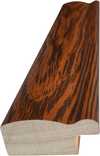
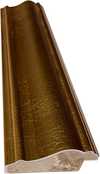
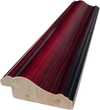
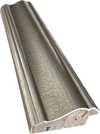
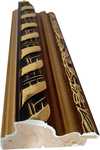
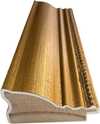
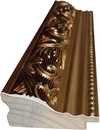
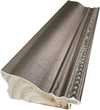
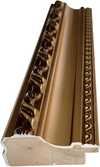
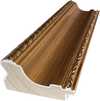
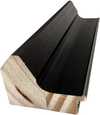
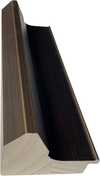
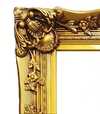
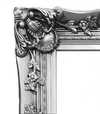
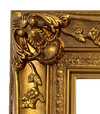
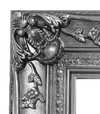
Pasirinkite iš mūsų nustatytų dydžių, atitinkančių originalaus meno kūrinio proporcijas.

Įveskite jums reikiamą plotį ir aukštį, kad atvaizdas derėtų prie jūsų rėmo ar sienos. Spausdiną galima tik sumažinti, bet nepadidinti virš originalaus paveikslėlio dydžio, todėl keičiant proporcijas, dalis vaizdo prarandama. Prieš spausdinimą atsiųsime jums skaitmeninį maketą patvirtinimui. Šioje puslapio nuotraukoje matomas pjūvis nėra tikslus – jį rodo tik maketas.
Pristatymas visame pasaulyje () per 2 weeks, o ne įprastas 4/5 savaičių laikotarpis. (19 lapkritis)

Nemokamas greitasis pristatymas visame pasaulyje

Aukštos kokybės lininis drobė

Pilnas siuntimo draudimas

Muitinės mokesčių grąžinimo garantija

Tikro spalvų atitikimo garantija

100 dienų grąžinimo politika (tik esant įtaigoms)

100% pinigų grąžinimo garantija

Nuolaida dideliems užsakymams
 Stiklo variantas prieinamas tik pasirinkus dydį iki 110 cm

Untitled
Giclée / Meno spausdinimas
Reprodukcijos matmenys
-


Bendroji kaina
€ 58
Klausimai ir atsakymai
Kokią spalvų paletę naudoja „Untitled“ – Benode Behari Mukherjee?
„Untitled“ – Benode Behari Mukherjee spalvų paletė apibūdinama kaip Neutrals. Tai glaustas kūrinio spalvų aprašymas.
Kokios formos ir kokie išmatavimai turi „Untitled“ – Benode Behari Mukherjee?
„Untitled“ formatas yra Landscape, o originalo matmenys – 13 x 19 cm. Šie duomenys yra naudingi planuojant reprodukciją.
Ar „Untitled“ – Benode Behari Mukherjee, esąį Kerala Museum, galima legaliai reprodukcijaoti?
„Untitled“ – Benode Behari Mukherjee, saugomas Kerala Museum kolekcijoje, yra vis dar saugoma autorineje teisėje. Šis statusas nulemia, ar galima rengti vaizdo reprodukcijas.
panašūs kūriniai


Autoriaus biografija
The Visionary of Santiniketan: The Life and Legacy of Benode Behari Mukherjee
Benode Behari Mukherjee stands as a monumental figure in the tapestry of Indian art history, a pioneer whose work breathed life into the movement known as Contextual Modernism. Born in 1904 in Behala, West Bengal, his journey was one defined by an extraordinary triumph of spirit over physical limitation. From a young age, Mukherjee faced severe visual impairments, a condition that would later culminate in near-total blindness following a tragic surgical complication in the mid-1950s. Yet, rather than allowing darkness to dim his creative flame, he transformed his sensory experience into a profound new way of seeing, finding depth in texture, rhythm, and the very essence of form. His artistic soul was forged within the hallowed halls of Kala Bhavana at Santiniketan, the experimental art school founded by the legendary Rabindranath Tagore. Under the masterful mentorship of Nandalal Bose and Ramkinkar Baij, Mukherjee became part of a unique intellectual and creative ecosystem. This environment encouraged him to look beyond the colonial academic traditions of the time, instead seeking a synthesis between India’s rich indigenous heritage and the burgeoning currents of global modernism. His early training was not merely about technique but about an ontological connection to the land, the local landscape, and the spiritual pulse of Indian iconography.A Synthesis of Tradition and Modernity
Mukherjee’s aesthetic language is a masterful dialogue between the ancient and the avant-garde. He possessed a rare ability to weave together the delicate precision of Indian miniature painting and the flowing grace of Japanese calligraphy with the bold, structural experimentation of Western abstraction. His work rejected the mere imitation of nature, opting instead to capture the underlying energy and "context" of his surroundings. This approach allowed him to create art that felt deeply rooted in the soil of Bengal while simultaneously speaking the universal language of modernism. His mastery extended far beyond the canvas, as he was one of the earliest Indian artists to embrace the monumental scale of murals. These large-scale works were not merely decorations but architectural dialogues, integrating seamlessly with their environments to depict the lives, legends, and landscapes of India. One of his most significant achievements remains the breathtaking mural at the Hindi Bhavan in Santiniketan, where he utilized a pageant-like composition to celebrate the lives of medieval saint-poets, effectively turning walls into living histories.Resilience Through Darkness
The later years of Mukherjee’s life presented his greatest challenge as his eyesight failed him almost entirely. However, this period of physical darkness birthed a remarkable era of tactile and structural innovation. Denied the ability to rely on fine visual detail, he pivoted toward mediums that emphasized touch, relief, and rhythm. He turned his focus to:- Paper-cuts, where the interplay of light and shadow through physical voids replaced traditional pigment.
- Prints and Reliefs, allowing him to explore texture and the physical imprint of form.
- Sculpture, where the three-dimensional presence of objects provided a new way to navigate space without sight.
Historical Significance and Enduring Impact
The legacy of Benode Behari Mukherjee is etched into the very identity of modern Indian art. He did not simply adopt modernism; he localized it, making it relevant to the social and cultural landscape of a nation finding its voice. His ability to harmonize the spiritual depth of the East with the formal innovations of the West created a blueprint for an authentic Indian modernism that was neither derivative nor regressive. Today, his work serves as a testament to the power of resilience and the infinite capacity of the human imagination. Through his murals, paintings, and pedagogical influence, Mukherjee remains a beacon for artists worldwide, reminding us that true vision is not a matter of sight, but of profound perception and an unyielding connection to the world around us.
Benode Behari Mukherjee
1904 - 1980 , India
Trumpa informacija
- Full Name: Benode Behari Mukherjee
- Nationality: Indian
- Date Of Birth: 1904
- Date Of Death: 1980
- Place Of Birth: Behala, India
- Notable Artworks:
- Chrysanthemum with a Green Bird
- Shahnaiwala
- Binodini
- Artistic Movement Or Style: Contextual Modernism
- Artists Who Influenced This Artist:
- Nandalal Bose
- Ramkinkar Baij
- Artists Or Movements Influenced By This Artist: ['Satyajit Ray']
Susiję straipsniai

Color & Emotion: The Top 25 Masterpieces by Mark Rothko
Immerse yourself in the profound emotion of Mark Rothko's greatest works. Explore 25 iconic Abstract Expressionist masterpieces, from color field textures to legendary canvases. Find inspiration for museum-quality art reproductions and decor. Discover all masterpieces on AllPaintingsStore.com.