


 Peržiūrėti realaus dydžio版
 Pasidalinti
 Dalintis
 Išsamiau
 Vadovas

 Atsisiųsti
 Panašūs eksponatai
 Rentgeno spindulių nuotrauka
 Automatinė diorama
 Q&A
Q&A Statistika
san francesco e langelo

 Skaityti daugiau
Giclée / Meno spausdinimas
Muziejų lygio „giclée“ arba drobos spausdinimas: greita gamyba ir lankstios apdailos parinktys. ( Pirkti rankų darbo tapybą Perejti prie skaitmeninių vaizdų)




P118B €10

P118H €10

P118W €10

P438Z €10

P508JH €12

P508YH €12

P805H €10

P805Z €10

P919BZ €10

P919G €10

P919XJ €10

P959ZH €10

P968JZ €12

W106C €8

W218G €10

W218JH €8

W218Y €10

W307PJ €10

W316G €10

W316PJ €8

W316Y €10

W398PJ €8

W4111J €10

W500HY €15

W500JH €15

W692G €12

W849H €8

W940BG €15

W953PJ €8




Pasirinkite iš mūsų nustatytų dydžių, atitinkančių originalaus meno kūrinio proporcijas.

Įveskite jums reikiamą plotį ir aukštį, kad atvaizdas derėtų prie jūsų rėmo ar sienos. Spausdiną galima tik sumažinti, bet nepadidinti virš originalaus paveikslėlio dydžio, todėl keičiant proporcijas, dalis vaizdo prarandama. Prieš spausdinimą atsiųsime jums skaitmeninį maketą patvirtinimui. Šioje puslapio nuotraukoje matomas pjūvis nėra tikslus – jį rodo tik maketas.
Pristatymas visame pasaulyje () per 2 weeks, o ne įprastas 4/5 savaičių laikotarpis. (31 spalis)

Nemokamas greitasis pristatymas visame pasaulyje

Aukštos kokybės lininis drobė

Pilnas siuntimo draudimas

Muitinės mokesčių grąžinimo garantija

Tikro spalvų atitikimo garantija

100 dienų grąžinimo politika (tik esant įtaigoms)

100% pinigų grąžinimo garantija

Nuolaida dideliems užsakymams
 Stiklo variantas prieinamas tik pasirinkus dydį iki 110 cm

san francesco e langelo
Giclée / Meno spausdinimas
Reprodukcijos matmenys
-


Bendroji kaina
€ 57
San Francesco e Angelo: A Baroque Drama of Faith and Mortality
Michelangelo Merisi da Caravaggio’s “San Francesco e Angelo” (Saint Francis and the Angel) is not merely a religious scene; it's a visceral embodiment of faith, suffering, and divine grace. Painted circa 1603-1604, during his Roman period, this work transcends its straightforward depiction of Saint Francis receiving aid from an angel to become a profound meditation on human vulnerability and the transformative power of spiritual devotion. The painting’s raw emotionality, coupled with Caravaggio's signature dramatic use of light and shadow – known as tenebrism – immediately captivates the viewer, drawing them into a world steeped in both earthly pain and celestial comfort.
The composition is strikingly simple yet intensely effective. At its heart lies the prone figure of Saint Francis, his body limp and vulnerable, seemingly on the brink of death. His face, rendered with agonizing realism, conveys a profound sense of exhaustion and despair. He’s not idealized; he's a man ravaged by earthly struggles, embodying the very essence of human frailty. Opposite him stands the angel, a figure of serene authority and compassionate intervention. The angel’s wings are subtly suggested, adding to his ethereal quality, while his gesture – gently lifting Francis – speaks volumes about divine assistance and unwavering support. The two birds in the upper corners—a dove and a falcon—add layers of symbolic complexity, often interpreted as representing hope and vigilance respectively, further enriching the painting's narrative.
Caravaggio’s Revolutionary Technique
Caravaggio’s genius lay not just in his subject matter but in his revolutionary approach to technique. “San Francesco e Angelo” exemplifies this perfectly. He abandoned the polished surfaces and idealized forms favored by many of his contemporaries, opting instead for a brutally honest portrayal of human anatomy and emotion. The figures are painted directly onto the canvas, often without preliminary sketches, resulting in an immediacy and spontaneity rarely seen in art of that era. Crucially, Caravaggio employed *chiaroscuro* – the dramatic contrast between light and dark – to create a theatrical effect. The intense illumination focuses solely on Francis and the angel, plunging the background into deep shadow, amplifying the sense of drama and highlighting the central figures’ plight.
The use of *tenebrism*, where darkness dominates the scene, is particularly evident here. It's not simply a stylistic choice; it serves to heighten the emotional impact, suggesting a world shrouded in mystery and spiritual struggle. The limited palette – primarily browns, ochres, and blacks – further contributes to the painting’s somber mood, reinforcing the theme of mortality and suffering. Caravaggio’s mastery of light and shadow transforms a simple depiction of a religious scene into a powerful exploration of human experience.
Symbolism and Spiritual Depth
Beyond its immediate visual impact, “San Francesco e Angelo” is rich in symbolic meaning. Saint Francis, the patron saint of animals and the poor, represents humility, compassion, and a deep connection to nature. His near-death state underscores his dedication to service and his willingness to endure hardship for the sake of others. The angel’s intervention symbolizes divine mercy and the promise of redemption. The act of lifting Francis is not merely a physical gesture; it's a representation of spiritual elevation, suggesting that faith can overcome even the most profound suffering.
Furthermore, the painting resonates with broader theological themes – the struggle between good and evil, the nature of mortality, and the importance of divine grace. Caravaggio’s ability to infuse these complex ideas into a single, emotionally charged image is what makes “San Francesco e Angelo” such a compelling and enduring work of art. It invites contemplation on the human condition and offers a glimpse into the profound mysteries of faith.
Bringing Caravaggio's Drama Home
AllPaintingsStore.com offers meticulously crafted hand-painted reproductions of “San Francesco e Angelo,” allowing you to experience the full power and beauty of this iconic masterpiece in your own home or office. Our skilled artists replicate Caravaggio’s distinctive style with exceptional accuracy, capturing the dramatic lighting, intense emotion, and symbolic depth that define this extraordinary painting. Whether you're an art enthusiast, a collector, or simply seeking to add a touch of Baroque grandeur to your space, a AllPaintingsStore reproduction of “San Francesco e Angelo” is a stunning investment – a testament to Caravaggio’s genius and a powerful reminder of the enduring themes of faith, suffering, and redemption.
Klausimai ir atsakymai
Kokios nacionalinės kilmės šaknys slypi „san francesco e langelo“ Baroque Painting?
„san francesco e langelo“ sujungia Baroque Painting stilių su Ispanija, atspindėdama kūrėjo gimimo vietą.
Kokia spalvų intensyvumas pasižymi „san francesco e langelo“ – Karavadžas?
„san francesco e langelo“ – Karavadžas spalvų nasyginimas yra Subtle Color. Nasyginimas apibūdina, kokių spalvos yra ryškių arba išblukusių.
Kokią emociją perteikia Baroque Painting stiliaus kūrinys „san francesco e langelo“?
„san francesco e langelo“ pasižymi Dramatic emociniu tonu, būdingu Baroque Painting stiliui.
panašūs kūriniai


Autoriaus biografija
Apšviesos ir šešėlio sukurtas gyvenimas
Michelangelo Merisi da Caravaggio, vardas sinonimiškas dramatiškai baroko tapybos intensyvumui, gimė 1571 metais Milane, laikotarčiu, kupinu tiek meninio klestėjimo, tiek visuomenės sukrėtimų. Jo ankstyvieji metai buvo pažymėti nuostoliu; maras pražudino jo gimtąjį miestelį, nusinešdamas tėvo ir senelio gyvybes, kai jam buvo vos šeši metai. Apsuptas santykinės vargos, jaunas Mikelandželas įgijo gilų žmogiškų kančių ir atsigavimo supratimą – temas, kurios vėliau dominuotų jo drobėse. Jis pradėjo savo meninį mokymąsi Milane pas Simone Peterzano, buvusį Titiano mokinį, perimdamos renesanso technikos pagrindus, tačiau jau numatantysis maištingą dūšelę, kuri netrukus sugrius įprastoms normoms. Šis apmokymas suteikė solidų pamatą, tačiau būtent Romoje, atvykęs apie 1592 metus, Caravaggio iš tiesų rado savo balsą, nors ir ne be pradinių sunkumų ir vargų. Miestas, kupinas meno mecenatizmo ir religinio delsimo, pasirodė tiek patrauklus, tiek nepatauslus ambicingam jaunam dailininkui.Revoliucionizuojant viziją: Technika ir stilius
Caravaggio atėjimas į Romą paskelbė apie didelę pokyčius italų meno kraštovaizdyje. Jis atmetė vyraujantį manieristinio stiliaus – pasižymintį dirbtine elegancija ir pailgėmis formomis – naudai neprilygstamo realizmo, kuris šokiravo ir sužavėjo publiką. Jo svarbiausias naujumas buvo jo meistriškas chiaroscuro naudojimas, dramatiškas šviesos ir tamsos kontrastas, kurį jis pakėlė į naują ekspresyvių galių lygį. Ši technika, dažnai vadinama tenebrizmu, nebuvo tik estetinio pasirinkimo; tai buvo priemonė sustiprinti emocinį poveikį, patraukti žiūrovus į scenos širdį ir suteikti jo figūroms juntamą buvimą. Jis atsisakė idealizuotų vaizdų, vietoj to savo paveiksluose apželdindamas paprastus žmones – dažnai paimtus iš Romos gatvių – kaip religinių figūrų modelius. Šis radikalus požiūris suvaldė tradicinius grožio ir šventumo supratimą, padarydamas sakralumą artimą ir giliai žmogišką. Jo kompozicijos dažnai būdavo griežtos ir tiesioginės, sutelkiant dėmesį į svarbius dramos momentus, ar tai brutalus realizmas „Kristaus paimtis“ arba tyli apmąstymo „Šv. Pranciškaus iš Asizės ekstazėje“.Pagrindiniai darbai ir ilgalaikis poveikis
Per savo santykinai trumpą karjerą Caravaggio sukūrė darbų rinkinį, kuris iki šiol sužadina publikos susidomėjimą. Ankstyvieji kūriniai, tokie kaip „Pranešėlė“ (1594 m.), parodo jo buržuazinį talentą užfiksuoti tikslius duomenis ir psichologinius niuansus. „Emmaus pasimelsis“ (1601–1602), esantis Londono nacionalinėje galerijoje, puikiai iliustruoja jo chiaroscuro meistriškumą ir gebėjimą perteikti gilias emocines reikšmes biblinių pasakojimų viduje. „Davidas su Golijato galva“ (apie 1610 m.) ypač bauginantis, dažnai interpretuojamas kaip savęs portretas, atspindintis Caravaggio pačių sutrikusios būsenos. Jo įtaka išsiplėtė toli už Italijos ribų, įkvėpusi daugybę menininkų, žinomų kaip Caravaggisti arba „šešėliai“, kurie visoje Europoje priėmė jo stilių. Tarp reikšmingų pasekėjų buvo Peteris Paulius Rubensas, Jusepe de Ribera ir Gerrit van Honthorst, kiekvienas iš jų adaptuodamas Caravaggio techniką savo unikaliam meniniam vizijai.Sudėtingas egzistavimas ir ilgalaikis palikimas
Caravaggio gyvenimas buvo toks dramatiškas ir nereguliarus kaip ir jo meno kūriniai. Volatinis temperamentas ir muštynių polinkis nuolat įviliodavo jį į bėdą su įstatymu, kuriuos vainikavo 1606 m. nužudymo kaltinimas, privertęs pabėgti iš Romos. Kitus ketverius metus jis praleido keliaudamas po Neapolį, Maltą ir Siciliją, tęsdamas tapybą, tuo pačiu desperingai ieškodamas popiežiaus atleidimo. Nepaisant jo pastangų, jis liko už įstatymo ribų, persekiojamas savo praeities ir apimtas asmeninių konfliktų. Jis mirė Porto Erkolėje, Italijoje, 1610 m., paslaptingomis aplinkybėmis – mirties priežastis tebėra ginčijamas, egzistuoja teorijos nuo karščiavimo iki apsinuodijimo švinu. Nors jo gyvenimas buvo trumpas, Caravaggio meno palikimas išlieka kaip liudijimas jo revoliucinio vizionavimo ir neprilygstamos atsidavimo realizmui. Jis suvaldė savo laikų konvencijas, pavedė kelią modernesniam tapybos požiūriui ir paliko neištrinamo įspūdžio Vakarų meno istorijos eigoje. Jo darbai iki šiol įkvepia nuostabą ir skatina apmąstymus, primindami mums apie meno galią apšviesti tamsiausius žmogaus patirties kampelius.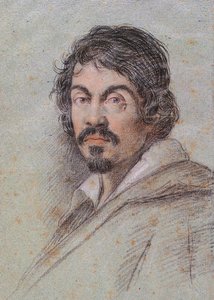
Karavadžas
1571 - 1610 , Ispanija
Trumpa informacija
- Artistic Movement Or Style: Barokas, Tenebrismas
- Artists Or Movements Influenced By This Artist:
- Rubensas
- Ribera
- Caravaggisti
- Artists Who Influenced This Artist:
- Ticianas
- Leonardo da Vinci
- Michelangelo
- Date Of Birth: 1571 m. rugsėjo 29 d.
- Date Of Death: 1610 m. liepos 18 d.
- Full Name: Michelangelo Merisi da Caravaggio
- Nationality: Italijos
- Notable Artworks:
- Pranašystės sekėjas
- Emaus pasisėdžimas
- Davidas su Golijatu
- Šv. Pranciškus Asyzas
- Place Of Birth: Milan, Italija
Susiję straipsniai

Chiaroscuro & Emotional Resonance: Exploring Dramatic Light in Western Painting
Explore the captivating world of chiaroscuro & tenebrism! Discover Caravaggio's influence, Baroque masters, and the enduring power of dramatic lighting in art history. Learn about these techniques with AllPaintingsStore.

The Visceral Stage: Exploring Dramatic Narratives & Emotional Intensity in Baroque Art
Explore the dramatic world of Baroque art! Discover iconic masters like Caravaggio & Rembrandt, their techniques, and the movement's lasting impact. Expert insights for collectors & enthusiasts at AllPaintingsStore.

Drama and Light: A Definitive Guide to the Italian Baroque Masterpieces and the Revolution of Chiaroscuro
Explore the dramatic world of Italian Baroque art. Discover how masters like Caravaggio used chiaroscuro and tenebrism to revolutionize painting through light, shadow, and profound realism. A definitive guide for history lovers and art collectors.

The Dramatic Flourish: Exploring the Baroque Movement's Enduring Legacy in Art History
Explore the dramatic world of Baroque art! Discover iconic artists like Caravaggio & Rubens, defining techniques, and its lasting impact on art history. Expert insights for collectors & enthusiasts at AllPaintingsStore.

Baroko Šedevrai: 10 Menų Simbolių, Apibūdinusių Epoką | AllPaintingsStore
Atraskite 10 baroko šedevrų, kurie apibrėžė epoką! Karolis Rubenzas, Berninis ir kiti meistrai – jų kūriniai, istorijos bei spalvos. Aukščiausios kokybės dailės reprodukcijos ir interjero įkvėpimas AllPaintingsStore.com. Išnagrinėkite visą kolekciją internete!


