


 Peržiūrėti realaus dydžio版
 Siųsti
 Dalintis
 Išsamiau
 Vadovas

 Atsisiųsti
 Panašūs eksponatai
 Rentgeno spindulių nuotrauka
 Diaporama
 Statistika
Ceiling decoration
 Acrylic On Canvas
- WallArt
- Baroque Art
 450.0 x 370.0 cm
 Musée des Arts Décoratifs
 Rodyti daugiau
Giclée / Meno spausdinimas
Muziejų lygio „giclée“ arba drobos spausdinimas: greita gamyba ir lankstios apdailos parinktys. ( Pirkti rankomis tapytą reprodukciją Perejti prie skaitmeninių vaizdų)




P118B €10

P118H €10

P118W €10

P438Z €10

P508JH €12

P508YH €12

P805H €10

P805Z €10

P919BZ €10

P919G €10

P919XJ €10

P959ZH €10

P968JZ €12

W106C €8

W218G €10

W218JH €8

W218Y €10

W307PJ €10

W316G €10

W316PJ €8

W316Y €10

W398PJ €8

W4111J €10

W500HY €15

W500JH €15

W692G €12

W849H €8

W940BG €15

W953PJ €8




Pasirinkite iš mūsų nustatytų dydžių, atitinkančių originalaus meno kūrinio proporcijas.

Įveskite jums reikiamą plotį ir aukštį, kad atvaizdas derėtų prie jūsų rėmo ar sienos. Spausdiną galima tik sumažinti, bet nepadidinti virš originalaus paveikslėlio dydžio, todėl keičiant proporcijas, dalis vaizdo prarandama. Prieš spausdinimą atsiųsime jums skaitmeninį maketą patvirtinimui. Šioje puslapio nuotraukoje matomas pjūvis nėra tikslus – jį rodo tik maketas.
Pristatymas visame pasaulyje () per 2 weeks, o ne įprastas 4/5 savaičių laikotarpis. (27 spalis)

Nemokamas greitasis pristatymas visame pasaulyje

Aukštos kokybės lininis drobė

Pilnas siuntimo draudimas

Muitinės mokesčių grąžinimo garantija

Tikro spalvų atitikimo garantija

100 dienų grąžinimo politika (tik esant įtaigoms)

100% pinigų grąžinimo garantija

Nuolaida dideliems užsakymams
 Stiklo variantas prieinamas tik pasirinkus dydį iki 110 cm

Ceiling decoration
Giclée / Meno spausdinimas
Reprodukcijos dydis
-


Visų pasirinktų variantų kaina
€ 56
A Symphony of Light and Myth: Exploring Claude Audran III’s Ceiling Decoration
The opulent interiors of Louis XIV and Louis XV France owed much of their grandeur to artists like Claude Audran III, whose mastery of decorative painting elevated the art form into a spectacle of color, texture, and symbolic storytelling. This monumental ceiling decoration, measuring 450 x 370 cm, stands as a testament to the Baroque period’s fascination with theatricality and its belief in art's ability to convey moral lessons alongside aesthetic pleasure.The Baroque Vision: Style and Technique
Audran III’s style embodies the very essence of Baroque artistry – dramatic chiaroscuro (light and shadow), exuberant ornamentation, and a deliberate manipulation of perspective to create an illusionistic depth that captivated viewers. He employed fresco technique, applying pigment directly onto wet plaster, ensuring remarkable durability and vibrancy over centuries. The meticulous layering of colors—primarily blues, golds, and browns—produced a rich tapestry of hues that shimmered under candlelight, transporting the viewer into a realm of aristocratic splendor. Furthermore, Audran III skillfully utilized glazing techniques, applying thin translucent layers of pigment over the underlying fresco to enhance luminosity and achieve subtle tonal variations.A Mythological Narrative: Symbolism and Imagery
The ceiling’s central motif—a colossal sun—immediately establishes its thematic core: divine illumination and royal authority. Radiating outwards in concentric circles, the sun symbolizes Louis XIV's reign as “Sun King,” reflecting his ambition to rule with unwavering strength and righteousness. Surrounding this radiant emblem are figures drawn from classical mythology – cherubs engaged in playful gestures mirroring human behavior—a deliberate allusion to the humanist ideals championed during the Baroque era. The cherub holding a mirror or shield represents wisdom and vigilance, guarding against folly and upholding moral virtue. Similarly, the cherubs clutching scrolls embody law and justice, reinforcing the importance of governance and ethical conduct. Musical instruments like lute and flute underscore themes of harmony and contemplation, suggesting that beauty and intellect should coexist in pursuit of spiritual enlightenment. The inclusion of birds symbolizes freedom and aspiration, elevating the viewer’s gaze towards heavenly realms.Historical Context: Patronage and Artistic Expression
Claude Audran III's work flourished during a period marked by unprecedented royal patronage—Louis XIV actively commissioned artists to embellish palaces and churches throughout France, fostering an environment where artistic innovation thrived. This commission reflects the broader cultural preoccupation with grandeur and magnificence, driven by anxieties about maintaining prestige on the European stage amidst rival powers. The ceiling decoration exemplifies the Baroque’s desire to impress both monarchs and populace alike—a visual declaration of royal power tempered by humanist ideals.Emotional Impact: Capturing Spectacle
Looking upon this breathtaking artwork evokes a profound sense of awe and wonder. The sheer scale of the composition, combined with Audran III's masterful manipulation of light and color, transports the observer to an idealized world—a realm where beauty reigns supreme and moral virtue is celebrated. It’s more than just decoration; it’s an immersive experience designed to inspire contemplation and reaffirm faith in divine providence. The enduring appeal of Claude Audran III’s ceiling decoration lies precisely in its ability to capture the spirit of its time—a testament to the transformative power of art as a vehicle for conveying both visual splendor and profound philosophical ideas.问答 (or more naturally for a website heading): Klausimai ir atsakymai
Kaip suformuota „Ceiling decoration“, autorius – Claude Iii Audran spalvų kompozicija?
„Ceiling decoration“, autorius – Claude Iii Audran spalvų kompozicija sujungia Gentle kontrastą su Unified Palette harmonija.
Kokia „Ceiling decoration“, autorius – Claude Iii Audran nuotaika yra apibūdinama?
Bendrąsias „Ceiling decoration“, autorius – Claude Iii Audran nuotaikas apibrėžina Elegant. Ši nuotaika aprašo bendrą kūrinio atmosferą.
Kiek intensyvios yra spalvos kūryboje „Ceiling decoration“, autorius – Claude Iii Audran?
Šiame paveikslėlyje „„Ceiling decoration“, autorius – Claude Iii Audran“ spalvų intensyvumas yra Vivid.
Susiję kūriniai


Autoriaus biografija
Claude Audran III: A Life in Decoration
Claude Audran III (1658-1734) was a prominent French decorative painter whose career flourished during the reigns of Louis XIV and Louis XV. He is celebrated for his ornate style, encompassing arabesques, grotesques, and particularly, playful ‘singeries’ – depictions of monkeys mimicking human behavior.
Early Life and Family Background
Born in Lyon, France, on August 25th, 1658, Claude Audran III came from a family deeply rooted in the artistic world. He was closely mentored by his uncle, Claude Audran the Younger, who served as painter to Louis XIV. This familial connection provided him with early exposure and training within the royal circles of French art.
Artistic Development and Influences
Audran III’s artistic development was heavily influenced by the prevailing Baroque aesthetic and the demand for lavish decoration within the French court. He mastered techniques in painted panelling, harpsichord cases, and other decorative elements. His style evolved to incorporate a unique blend of classical motifs with whimsical and imaginative scenes.
Major Achievements and Commissions
- Versailles & Fontainebleau: From 1700-1701, Audran III participated in the extensive decoration projects at the Menagerie of Versailles, as well as the chapels within Versailles itself. He also contributed to the Palace of Fontainebleau, Château d'Anet, Château de Meudon, and Les Invalides.
- Château de Sceaux: In 1704, he was commissioned to decorate a new apartment for the Duchess at the Château de Sceaux, showcasing his ability to create elegant and refined interiors.
- Tapestry Designs for Gobelins: Audran III created numerous tapestry cartoons for the renowned Gobelins manufactory, including the ‘Douze mois grotesques’ (Twelve Grotesque Months) and ‘Portieres des dieux’ (Door Hangings of the Gods). These designs were highly sought after and contributed to his reputation.
- Château de Marly: In 1709, he executed a backdrop for King Louis XIV at the Château de Marly, though this setting is now lost, preparatory drawings remain as evidence of its grandeur.
Style and Themes
Audran III’s style is characterized by:
- Arabesques: Intricate patterns based on flowing plant forms.
- Grotesques: Fantastical compositions featuring hybrid creatures and architectural elements.
- Singeries: Playful scenes of monkeys engaged in human activities, often satirizing societal norms. These were particularly popular during the period.
Historical Significance
Claude Audran III played a significant role in shaping the decorative arts landscape of late 17th and early 18th-century France. His work embodies the opulence and grandeur associated with the French court, and his influence can be seen in the works of later artists, including Antoine Watteau, who was among his pupils.
Later Life and Legacy
In 1704, Audran III obtained the position of Keeper of the Luxembourg Palace. He continued to work as a decorative artist until his death in Paris on May 27th, 1734. His legacy endures through surviving examples of his work and the enduring appeal of his distinctive style.

Claude Iii Audran
1658 - 1734 , France
Trumpa informacija apie kūrėją
- Name: Claude Audran III
- Movement: Baroque, Decorative Arts
- Birth Date: 25 August 1658
- Death Date: 27 May 1734
- Influenced: Antoine Watteau
- Birth Place: Lyon, France
- Nationality: French
- Date Of Birth: 1658
- Date Of Death: 1734
- Influenced By: Claude Audran the Younger
- Notable Works:
- Decoration of Versailles
- Decoration of Fontainebleau
- Tapestry designs for Gobelins
- Place Of Birth: Lyon, France
Susiję straipsniai

The Dramatic Flourish: Exploring the Baroque Movement's Enduring Legacy in Art History
Explore the dramatic world of Baroque art! Discover iconic artists like Caravaggio & Rubens, defining techniques, and its lasting impact on art history. Expert insights for collectors & enthusiasts at AllPaintingsStore.

Renesanso Lubų Freskų Atgimimas Interjeruose: Klasikos Permąstymas ir Naujos Vizualinės Galimybės
Atraskite Renesanso lubų freskų grožį šiuolaikiniame interjero dizaine! Ekspertai pataria, kaip įsilieti klasikinę estetiką į viešbučius ir privačius namus. Inspiracija, technikos ir praktiniai patarimai.

Baroko Dramatizmas: Elegancijos ir Emocijų Įnešimas į Šiuolaikinius Interjerus
Atraskite baroko dramatiškumą! Meno konsultacijos, rankų darbo reprodukcijos ir patarimai, kaip įnešti eleganciją bei emocijas į jūsų interjerą su AllPaintingsStore.com. Kokybė garantuota!

Simon Vouet: A Baroque Master's Journey from Italian Influence to French Classicism
Explore the life & art of Simon Vouet, a pivotal French Baroque painter who introduced Italian styles to France. Discover his masterpieces and lasting influence on 17th-century art.
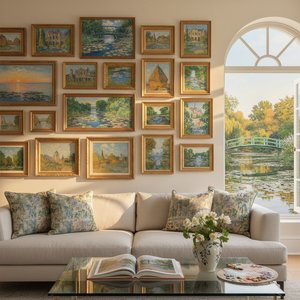
Claude Monet šedevrai: 25 paveikslai, įkvepiantys grožiu ir harmonija
Atraskite 25 įspūdingiausius Claude Monet šedevrus! Sužinokite apie impresionizmą, vandens lelijų paveikslus ir spalvų magiją. Meno reprodukcijos aukščiausia kokybe – AllPaintingsStore.com. Išsamesnės informacijos rasite internetu.

