Aliejus.

§ 1Katalogo duomenys


§ 2Abstraktus
Kolekcinio objekto aprašas
Experience Claude Monet's 'La Corniche Sun'! This stunning oil painting captures a serene mountain landscape with vibrant colors and light, reflecting the Impressionist master’s unique style.
 Skaityti daugiau
Autoriaus biografija
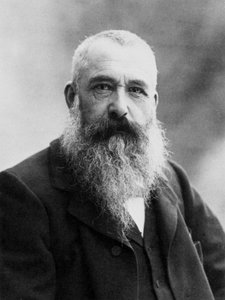
Atraskite Klodo Monės pasaulį – impresionizmo meistro, garsaus dėl savo ikoninių peizažų, tokių kaip „Vandens lelijos“ ir „Šienapjūtės“, kuriais jis įamžino laikiną šviesą ir spalvas.
§ 3Komentaras
La Corniche Sun: A Glimpse of Monet’s Impressionistic Paradise
Claude Monet's La Corniche Sun isn’t merely a depiction of a landscape; it’s an immersion into the very essence of light and perception, a cornerstone of the Impressionist movement. This captivating oil painting reproduction, available on AllPaintingsStore.com, offers a profound window into Monet’s revolutionary approach to capturing the fleeting beauty of nature – a philosophy that fundamentally altered the course of art history. The scene unfolds in a sun-drenched valley nestled amongst rolling hills, a tranquil tableau punctuated by the gentle presence of two figures strolling along a dirt road, seemingly lost in the serenity of their surroundings. It’s a moment frozen in time, imbued with an atmosphere of peaceful contemplation and bathed in the golden hues of a late afternoon sun.
Monet's genius lay not just in his ability to render visual reality but in translating his *experience* of it onto canvas. He sought to capture the ‘impression’ of a scene – the way light dances, colors shift, and shadows play – rather than meticulously recreating every detail. This is vividly demonstrated here through Monet’s signature technique: short, broken brushstrokes applied with rapid succession. These strokes aren't meant to define forms precisely; instead, they create an overall sense of luminosity and movement, mimicking the way our eyes perceive light and color in a natural setting. Notice how he uses pure, unmixed colors placed side-by-side, allowing the viewer’s eye to blend them optically – a key element of Impressionism that creates a vibrant, shimmering effect.
The Artist and His Philosophy
Born Oscar-Claude Monet in 1840, Claude Monet was a pivotal figure in the development of Impressionist painting. His artistic journey began with a deep connection to nature, fostered by his mentor Eugène Boudin, who instilled in him the vital principle of “plein air” – painting outdoors directly from observation. This commitment to capturing immediate sensations profoundly influenced Monet’s work, driving him to reject the academic traditions of the time and embrace a more subjective, expressive approach. As documented on AllPaintingsStore.com, Monet's philosophy wasn’t simply about replicating what he saw; it was about conveying how he *felt* when he looked at the world – his emotions, his memories, his fleeting impressions.
Monet’s work resonated deeply with the intellectual and artistic currents of the late 19th century. He challenged established conventions by prioritizing personal perception over objective representation, paving the way for modern art movements that followed. His dedication to capturing the ephemeral qualities of light and color profoundly impacted artists like Renoir, Degas, and Pissarro, establishing Impressionism as a dominant force in the art world.
A Glimpse into Monet’s World
The painting's setting – a mountainous valley near Monaco – provides context for understanding Monet’s artistic choices. He frequently depicted landscapes he found inspiring, often returning to the same locations repeatedly to study their changing moods and atmospheric conditions. This dedication to observation is evident in his “Series” paintings, such as those of Rouen Cathedral, where he captured the same subject under vastly different lighting conditions throughout the year. La Corniche Sun, with its warm light and sense of tranquility, reflects Monet’s desire to capture a moment of idyllic beauty – a fleeting glimpse of harmony between humanity and nature.
Beyond its aesthetic qualities, the painting holds symbolic resonance. The two figures on the path suggest a connection to the natural world, inviting viewers to share in their peaceful contemplation. The sun itself acts as a unifying element, bathing the landscape in a radiant glow and symbolizing life, energy, and renewal. Interestingly, this scene was painted during a period of personal reflection for Monet, following the loss of his beloved wife Camille, suggesting an underlying theme of remembrance and solace.
Bringing Impressionism Home
AllPaintingsStore.com offers a remarkable opportunity to own a high-quality reproduction of La Corniche Sun, allowing you to bring this masterpiece into your home or office. These hand-painted reproductions faithfully capture the nuances of Monet’s brushwork and color palette, providing an authentic representation of his artistic vision. Considered alongside works like “Peupliers au bord de l'Epte Sun” and “Hôtel de Roches Noires, Trouville,” this painting exemplifies Monet’s enduring legacy as a master of light, color, and the evocative power of nature. For those interested in exploring Monet’s life and work further, the California Palace of the Legion of Honor provides an extensive collection of European art, including many examples of his celebrated oeuvre.
Klausimai ir atsakymai
Iš kur renkasi „la corniche sun“ – Klodas Monet lankytojai?
Statistika apie „la corniche sun“ – Klodas Monet pateikiama kūrinio Statistika puslapio: mėnesiniai kūrinio apsilankėjimai, kito šio autoriaus kūrinių apsilankėjimai bei neseniai apsilankiusiųjų skirstymas pagal šalis ir kalbas.
Kam rekomenduojamas naudojimui „la corniche sun“ spausdinys?
Rekomenduojamas naudojimo būdas kūriniui „la corniche sun“ – Klodas Monet yra Akcentas. Jis taip pat gali būti naudojamas kitoms paskritis.
Į kokį laikotarpį buvo sukurta „la corniche sun“ – Klodas Monet?
„la corniche sun“ – Klodas Monet sukurta XIX amžius laikotarpiu. Šis laikotarpis suteikia kūriniui istorines aplinkybes.


 Perjungti į spausdinamus版作品


 Dėl meno kūrinių ar reprodukcijų, kurių bet kuri pusė yra didesnė nei 105 cm (apie 41 inch), rėmas bus siunčiamas kaip išskaidytas surinkimo rinkinys. Šis metodas užtikrina saugų pristatymą ir apsaugo nuo transportavimo metu galimos žalos.