

1903. Akrilas ant drobės.

§ 1Catalogue data


§ 2Abstract
Kolekcinio objekto aprašas
Admire Claude Monet’s ‘Waterloo Bridge,’ a serene Impressionist painting capturing London's atmosphere with bold brushstrokes and luminous sunlight. Explore light & color – a masterpiece of Impressionism.
 Skaityti daugiau
Autoriaus biografija
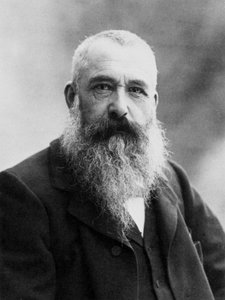
Atraskite Klodo Monės pasaulį – impresionizmo meistro, garsaus dėl savo ikoninių peizažų, tokių kaip „Vandens lelijos“ ir „Šienapjūtės“, kuriais jis įamžino laikiną šviesą ir spalvas.
§ 3Commentary
Waterloo Bridge, Sunlight Effect: A Symphony of Light and Impression
Claude Monet’s “Waterloo Bridge,” painted in 1903, isn't merely a depiction of London; it’s an embodiment of the Impressionist ethos—a fervent pursuit of capturing the ephemeral beauty of nature through vibrant color and loose brushstrokes. This iconic artwork stands as testament to Monet’s revolutionary approach to painting, forever altering the course of art history.
The Essence of Impressionism
Monet's unwavering dedication to *plein air* painting—working outdoors directly from observation—was groundbreaking for its time. Unlike academic painters who meticulously rendered details with precise pigments, Monet prioritized conveying atmosphere and emotion above all else. He achieved this remarkable feat by applying paint in thick, visible strokes that blended optically as the viewer’s eye moved across the canvas. This technique brilliantly captures the fleeting effects of sunlight filtering through clouds over Waterloo Bridge.
A Window into London's Soul
The bridge itself serves as a focal point, rendered with understated elegance against a backdrop of hazy pink skies. Monet skillfully utilizes color—particularly shades of rose and lavender—to evoke a sense of tranquility and serenity. Scattered boats punctuate the scene, adding depth and dynamism without distracting from the overarching mood. Notice how Monet’s brushstrokes dance across the canvas, mirroring the movement of water and air.
Monet's Inspiration: Boudin and Beyond
Monet’s artistic journey began with Eugène Boudin, who instilled in him the transformative belief that art should mirror the natural world. Boudin encouraged Monet to abandon studio conventions and embrace the immediacy of outdoor painting—a practice that would become synonymous with Impressionism. This formative influence profoundly shaped Monet's artistic vision and fueled his lifelong fascination with capturing light’s transformative power.
Symbolic Resonance: Light as Emotion
"Waterloo Bridge," like many of Monet’s landscapes, transcends mere visual representation; it speaks to the human condition. The bridge symbolizes connection—linking London to its surroundings—while the sunlight embodies optimism and vitality. Monet's masterful manipulation of color isn’t simply decorative; it communicates profound emotional resonance, inviting viewers to contemplate beauty and fleeting moments.
- Artist: Claude Monet
- Year Painted: 1903
- Style: Impressionism
- Medium: Oil on Canvas
- Dimensions: Unknown
Discover the captivating beauty of “Waterloo Bridge” in a stunning high-quality reproduction at AllPaintingsStore.com and immerse yourself in the legacy of Impressionist art.
Klausimai ir atsakymai
Kas yra „Waterloo Bridge, Sunlight Effect“ autorius ir kokio stiliaus/krypties šis kūrinys?
Kūrinį „Waterloo Bridge, Sunlight Effect“ sukūrė Klodas Monet, pasižymintis Impressionism stiliumi.
Kokia technika buvo panaudota kūriniui „Waterloo Bridge, Sunlight Effect“ ir kada jis buvo sukurtas?
„Waterloo Bridge, Sunlight Effect“ sukurtas 1903 m. naudojant Akrilas ant drobės techniką. Medžiaga ir data nurodo, kaip ir kada buvo sukurtas originalas.
Kokią spalvų harmoniją išpriešia „Waterloo Bridge, Sunlight Effect“ – Klodas Monet?
„Waterloo Bridge, Sunlight Effect“ – Klodas Monet pasižymi Nesuderintinga paletė spalvų harmonija.


 Perjungti į spausdinamus版作品


 Dėl meno kūrinių ar reprodukcijų, kurių bet kuri pusė yra didesnė nei 105 cm (apie 41 inch), rėmas bus siunčiamas kaip išskaidytas surinkimo rinkinys. Šis metodas užtikrina saugų pristatymą ir apsaugo nuo transportavimo metu galimos žalos.


